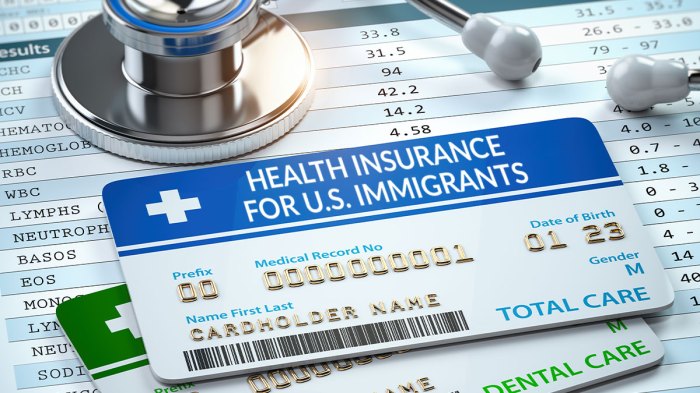
Embark on a journey through the complexities of Health Insurance Access for Immigrants, shedding light on the challenges and importance of this crucial topic.
Delve deeper into the nuances of healthcare access, costs, providers, insurance options, policies, records, preventive care, and more.
Overview of Health Insurance Access for Immigrants
Immigrants in the United States face numerous challenges when it comes to accessing health insurance. Many immigrants may not qualify for government-funded insurance programs due to their immigration status, leaving them with limited options for affordable coverage.
Health insurance is crucial for immigrants as it provides them with access to necessary medical care and services. Without insurance, immigrants may delay seeking medical treatment, leading to worsened health outcomes and increased healthcare costs in the long run.
Impact of Limited Health Insurance Access on Immigrant Communities
1. Financial Burden: Immigrants without health insurance often have to pay out-of-pocket for medical expenses, which can be financially straining, especially for low-income families.
2. Barriers to Care: Limited access to health insurance can result in immigrants avoiding preventive care and necessary medical treatments, leading to untreated health conditions.
3. Health Disparities: Immigrant communities with limited health insurance access may experience higher rates of chronic illnesses and poorer health outcomes compared to the general population.
Healthcare Access for Immigrants
Access to healthcare services is a critical issue for immigrants, especially for those without health insurance coverage. Let’s explore the differences in healthcare access between immigrants with and without health insurance.
Healthcare Access for Immigrants with Health Insurance
Immigrants who have health insurance coverage generally have better access to healthcare services compared to those without insurance. With health insurance, immigrants can visit healthcare providers, receive necessary treatments, and access preventive care services.
Healthcare Access for Immigrants without Health Insurance
Unfortunately, a significant percentage of immigrants in the United States do not have health insurance coverage. According to data from the Migration Policy Institute, about 23% of noncitizen immigrants were uninsured in 2018. This lack of insurance presents significant barriers to accessing healthcare services.
Barriers to Healthcare Access for Immigrants
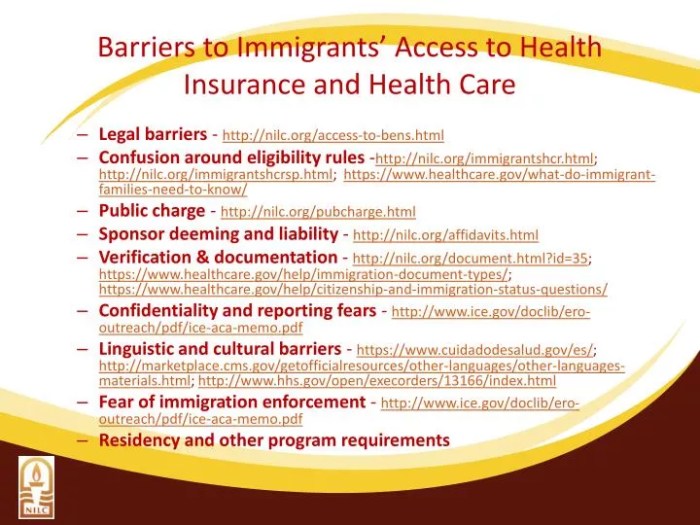
There are several barriers that prevent immigrants from accessing healthcare services, especially those without insurance. Some of the common barriers include:
- Lack of financial resources to pay for medical care
- Fear of deportation or immigration enforcement
- Language barriers that make it difficult to communicate with healthcare providers
- Limited awareness of available healthcare services and resources
- Restrictions on eligibility for public health programs
Healthcare Costs and Affordability
Healthcare costs play a significant role in determining the accessibility of medical services for immigrants, whether they have insurance or not. The affordability of healthcare services can greatly impact the decision-making process when it comes to seeking medical care.
Affordability of Healthcare for Immigrants
Immigrants often face financial constraints that make accessing healthcare services challenging, even with insurance coverage. Co-payments, deductibles, and out-of-pocket expenses can add up quickly, making it difficult for immigrants to afford necessary medical care.
Impact of Healthcare Costs on Decision-Making
The high costs associated with healthcare can lead immigrants to delay or avoid seeking medical treatment, even when they are insured. Fear of accumulating medical bills and debt can deter individuals from prioritizing their health needs, potentially leading to more serious health issues down the line.
Financial Implications of Not Having Health Insurance
For immigrants without health insurance, the financial implications of seeking medical care can be even more severe. Without insurance to help cover costs, individuals may forgo necessary treatments altogether, putting their health and well-being at risk. This lack of access to affordable healthcare can lead to increased emergency room visits, higher medical expenses, and poorer health outcomes in the long run.
Healthcare Providers for Immigrants
Immigrants often face challenges in finding culturally competent healthcare providers who understand their unique backgrounds, beliefs, and healthcare needs.
Role of Community Health Centers
Community health centers play a crucial role in providing care for uninsured immigrants by offering affordable and accessible healthcare services. These centers often have multilingual staff members who can assist immigrants in navigating the healthcare system and receiving the care they need.
Importance of Language Access
Language access is vital in healthcare services for immigrant populations to ensure effective communication between patients and providers. Language barriers can lead to misunderstandings, misdiagnosis, and inadequate care. Healthcare facilities that offer interpreter services and multilingual staff help bridge this gap and improve health outcomes for immigrant communities.
Health Insurance Options for Immigrants
When it comes to health insurance options for immigrants in the United States, there are several programs available to help provide access to healthcare services. These options include Medicaid, CHIP, and private insurance plans. Each program has its own eligibility criteria and coverage benefits tailored to meet the specific needs of immigrants.
Medicaid
Medicaid is a state and federally funded program that provides health coverage to low-income individuals, including eligible immigrants. Eligibility criteria for Medicaid vary by state but generally include income and household size requirements. Immigrants who are lawful permanent residents (green card holders) or have other qualifying immigration statuses may be eligible for Medicaid coverage.
CHIP (Children’s Health Insurance Program)
CHIP is designed to provide health insurance coverage to children in low-income families who do not qualify for Medicaid. Immigrant children who meet the eligibility requirements, regardless of their immigration status, may be able to enroll in CHIP. This program offers comprehensive benefits such as doctor visits, immunizations, and prescription medications.
Private Insurance
Immigrants who do not qualify for Medicaid or CHIP may choose to purchase private health insurance plans. These plans are offered by private insurance companies and typically provide a range of coverage options, including basic medical services, specialist care, and prescription drugs. Eligibility and coverage details for private insurance plans can vary widely, so it’s essential to compare different options to find the best fit.
Health Policies Affecting Immigrant Access to Insurance
Immigration policies play a significant role in determining the ability of immigrants to access health insurance. Recent changes in healthcare policies have had a direct impact on immigrant communities, affecting their ability to obtain necessary healthcare coverage. In order to improve health insurance access for immigrants, it is essential to analyze these policies and explore potential solutions.
Impact of Immigration Policies on Health Insurance Access
- Immigration status often determines eligibility for government-funded health insurance programs.
- Undocumented immigrants may face significant barriers in accessing affordable healthcare coverage due to their legal status.
- Changes in immigration policies can impact the ability of immigrants to obtain health insurance, leading to disparities in healthcare access.
Recent Changes in Healthcare Policies
- The public charge rule, which considers an individual’s likelihood of becoming dependent on government assistance, has deterred many immigrants from seeking health insurance.
- Restrictions on Medicaid eligibility for certain immigrant groups have limited access to essential healthcare services.
- Changes in federal healthcare policies have created uncertainty and confusion among immigrant communities regarding their eligibility for health insurance.
Policy Recommendations for Improving Health Insurance Access
- Addressing barriers to healthcare coverage for undocumented immigrants by expanding access to affordable insurance options.
- Revising immigration policies to ensure that all immigrants have equal opportunities to obtain health insurance regardless of their legal status.
- Providing education and outreach programs to inform immigrant communities about their healthcare rights and available insurance options.
Health Records and Documentation for Immigrants
Immigrants often face unique challenges when it comes to accessing and maintaining their health records due to their immigration status. This can impact the documentation required for health insurance coverage and overall healthcare access.
Impact of Immigration Status on Documentation
Immigration status can heavily influence the type of documentation required for health insurance coverage. Undocumented immigrants, for example, may face barriers in obtaining the necessary documents to prove eligibility for certain health insurance programs.
Additionally, immigrants with temporary or changing immigration statuses may struggle to maintain consistent documentation, leading to gaps in coverage and potential denial of services.
Challenges in Accessing and Maintaining Health Records
Immigrants often encounter challenges in accessing and maintaining their health records due to language barriers, lack of familiarity with the healthcare system, and limited resources. This can result in fragmented care and difficulties in coordinating treatments.
Moreover, frequent relocations, job changes, and financial constraints can also contribute to the loss or misplacement of essential health documents, further complicating the healthcare journey for immigrants.
Importance of Privacy and Confidentiality
Protecting the privacy and confidentiality of health information is crucial for immigrants, especially considering the potential risks associated with their immigration status. Unauthorized access to sensitive health records can lead to discrimination, exploitation, or even legal consequences.
Ensuring that immigrants feel secure in sharing their health information with healthcare providers is essential for building trust and facilitating effective care management. Policies and practices that safeguard the confidentiality of immigrant health records are paramount in promoting access to quality healthcare services.
Health Screening and Preventive Care for Immigrants
Regular health screenings and preventive care play a crucial role in maintaining the overall health and well-being of individuals, including immigrants. However, immigrants often face various barriers in accessing these essential services, such as language barriers, lack of health insurance coverage, cultural differences, and fear of deportation. These barriers can prevent immigrants from receiving timely screenings and preventive care, leading to undiagnosed health issues and increased healthcare costs in the long run.
Barriers to Accessing Health Screenings and Preventive Care
- Lack of health insurance coverage
- Language barriers
- Cultural differences in healthcare practices
- Fear of deportation
Role of Preventive Care in Reducing Healthcare Costs
Preventive care plays a vital role in reducing healthcare costs for immigrant populations by identifying health issues at an early stage, preventing the progression of diseases, and reducing the need for costly medical interventions. By promoting preventive care services, healthcare providers can help immigrants lead healthier lives and lower overall healthcare expenses.
Initiatives and Programs Promoting Health Screenings and Preventive Services
- Community health fairs offering free or low-cost screenings
- Culturally sensitive health education programs
- Mobile health clinics providing on-site screenings and preventive care services
- Collaborations with local community organizations to increase access to preventive care
In conclusion, understanding and addressing the barriers immigrants face in accessing health insurance is vital for promoting the well-being of immigrant communities.
Quick FAQs
What are the common challenges immigrants face in accessing health insurance?
Immigrants often encounter language barriers, lack of knowledge about available options, and fear of legal repercussions.
How do healthcare costs impact the decision-making process of immigrants?
High healthcare costs can lead immigrants to delay seeking medical care, potentially worsening their health conditions.
Which health insurance options are available to immigrants in the United States?
Immigrants can typically access Medicaid, CHIP, and private insurance, each with varying eligibility criteria and coverage.
How do immigration policies affect immigrant access to health insurance?
Stringent immigration policies can create barriers for immigrants in obtaining health insurance, limiting their healthcare options.
Why is language access important in healthcare services for immigrant populations?
Language access ensures clear communication between healthcare providers and immigrant patients, promoting better health outcomes.