Starting with Health Screening for Seniors, this introduction aims to provide an insightful glimpse into the significance of proactive healthcare measures for the elderly. As we delve into the realm of senior health screenings, a world of possibilities emerges to ensure longevity and well-being.
Exploring the diverse landscape of health screenings tailored for seniors sheds light on the preventive measures that can safeguard their health and enhance their quality of life.
Importance of Health Screening for Seniors
Regular health screenings are crucial for seniors as they can help in the early detection of potential health issues, allowing for timely intervention and treatment. This proactive approach to healthcare can significantly improve outcomes and quality of life for seniors.
Early Detection for Better Outcomes
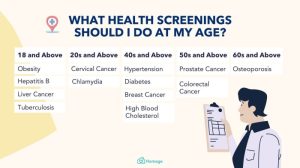
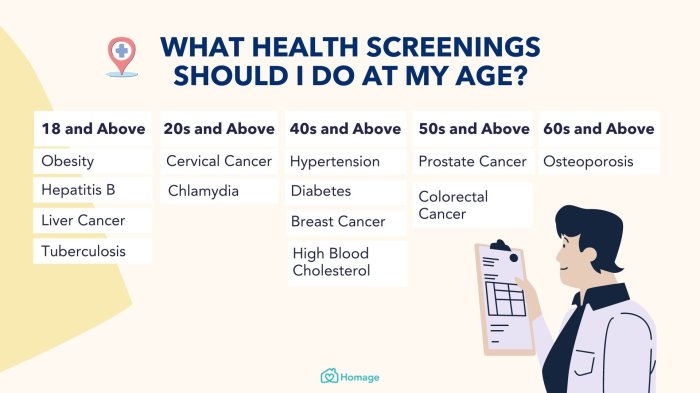
Health screenings play a vital role in detecting conditions such as high blood pressure, diabetes, osteoporosis, and certain types of cancer early on. By identifying these issues in their initial stages, seniors can receive prompt medical attention and appropriate management, leading to better health outcomes and potentially preventing complications.
Preventive Care and Monitoring
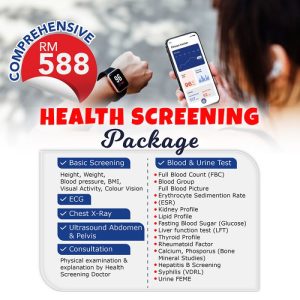
In addition to detecting existing health problems, screenings also help in preventive care by assessing risk factors and monitoring overall health status. For seniors, regular screenings for cholesterol levels, vision and hearing, cognitive function, and other age-related concerns can aid in maintaining good health and addressing any emerging issues promptly.
Promoting Healthy Aging
By staying proactive with health screenings, seniors can actively participate in their own healthcare and take steps towards healthy aging. Being aware of their health status through screenings empowers seniors to make informed decisions about their lifestyle, diet, and medical care, ultimately contributing to a better quality of life in their golden years.
Types of Health Screenings for Seniors
Regular health screenings are essential for seniors to detect any potential health issues early on and take proactive measures. Here are some of the most important types of health screenings recommended for seniors:
Blood Pressure Screening
- Regular blood pressure screenings help in monitoring cardiovascular health.
- Recommended frequency: At least once a year, more frequently if there are existing conditions.
Cholesterol Check
- Checking cholesterol levels is crucial for assessing the risk of heart disease.
- Recommended frequency: Every 4-6 years for healthy seniors, more often for those with high cholesterol.
Bone Density Scan
- Bone density scans help in detecting osteoporosis and assessing fracture risk.
- Recommended frequency: Every 2-5 years, especially for postmenopausal women.
Colorectal Cancer Screening
- Screenings like colonoscopies can detect colorectal cancer early when it’s most treatable.
- Recommended frequency: Every 10 years, or as advised by a healthcare provider.
Diabetes Screening
- Regular blood sugar screenings are crucial for detecting diabetes early and managing it effectively.
- Recommended frequency: Annually, especially for seniors with risk factors like obesity or family history.
Healthcare Access for Seniors
Accessing healthcare services can be a challenge for many seniors due to various factors such as mobility issues, lack of transportation, financial constraints, and limited awareness of available services. These barriers can prevent older adults from receiving timely and necessary health screenings, leading to undiagnosed medical conditions and potential health complications.
Initiatives to Improve Healthcare Access
- Community Outreach Programs: These programs aim to educate seniors about the importance of health screenings and provide information on where to access these services.
- Transportation Services: Some organizations offer transportation assistance to help seniors get to medical appointments and screening facilities.
- Mobile Health Clinics: Mobile clinics bring healthcare services directly to underserved communities, including senior centers and residential areas.
Telehealth Services for Seniors
Telehealth services have emerged as a valuable tool in enhancing healthcare access for elderly individuals. Through telemedicine platforms, seniors can consult with healthcare providers remotely, reducing the need for in-person visits. This is especially beneficial for seniors with limited mobility or those living in rural areas with limited access to healthcare facilities. Telehealth services also enable seniors to receive timely health screenings and monitoring from the comfort of their homes, improving overall health outcomes and quality of life.
Healthcare Costs and Seniors
In the context of health screenings for seniors, it is essential to consider the financial implications and affordability issues related to healthcare costs for elderly individuals.
Financial Implications of Health Screenings for Seniors
Health screenings for seniors can incur various costs, including fees for medical tests, consultations with healthcare providers, and follow-up treatments. These expenses can add up quickly, especially for seniors on a fixed income or with limited financial resources. Additionally, uncovered services and out-of-pocket expenses can further strain their budgets.
Affordability Issues Related to Healthcare Costs for Elderly Individuals
Elderly individuals often face affordability issues when it comes to healthcare costs, as they may have to prioritize expenses such as medication, housing, and food over preventive screenings. This can lead to delayed or skipped screenings, putting their health at risk. Moreover, unexpected healthcare costs can cause financial stress and impact their overall well-being.
Insurance Coverage Options for Senior Health Screenings
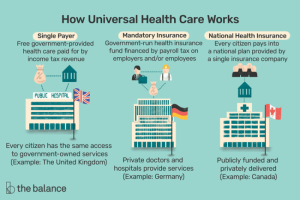
Insurance coverage plays a crucial role in making health screenings more accessible and affordable for seniors. Medicare, the federal health insurance program for individuals aged 65 and older, typically covers many preventive services, including screenings for conditions like cancer, diabetes, and heart disease. Additionally, Medicare Advantage plans may offer additional benefits and coverage for screenings beyond what traditional Medicare provides.
Healthcare Providers for Senior Screenings
Regular health screenings for seniors are typically conducted by a variety of healthcare professionals who specialize in different areas of medicine. These professionals play a crucial role in ensuring that seniors receive the necessary preventive care and early detection of health issues.
Healthcare Professionals Involved in Senior Screenings
- Primary Care Physicians: Primary care physicians are often the first point of contact for seniors seeking healthcare services. They are responsible for conducting routine screenings, managing chronic conditions, and coordinating care with other specialists.
- Specialists: Specialists such as cardiologists, oncologists, and endocrinologists may also be involved in conducting specific screenings based on the senior’s health history and risk factors.
- Geriatric Specialists: Geriatric specialists are healthcare providers who focus specifically on the unique healthcare needs of older adults. They are trained to address age-related health concerns, cognitive issues, and functional decline in seniors.
Role of Primary Care Physicians vs. Specialists
Primary care physicians play a central role in coordinating overall healthcare for seniors, including scheduling and interpreting screenings, managing medications, and providing preventive care. Specialists, on the other hand, may be consulted for more specialized screenings or treatment of specific conditions.
Importance of Geriatric Specialists in Tailored Screenings
Geriatric specialists play a crucial role in providing tailored screenings for seniors due to their in-depth knowledge of age-related health issues. They can conduct comprehensive assessments, identify potential risks, and develop personalized care plans to address the specific needs of older adults. This specialized approach helps in early detection of health problems and ensures that seniors receive appropriate interventions to maintain their health and well-being.
Health Insurance and Senior Screenings
Health insurance plays a crucial role in covering the costs of screenings for seniors, ensuring they have access to essential preventive services. Medicare and supplemental insurance plans can help alleviate financial burdens associated with these screenings.
Medicare Coverage for Preventive Services
- Medicare Part B covers a wide range of preventive services, including screenings for conditions such as cancer, diabetes, and cardiovascular disease.
- These screenings are typically fully covered by Medicare, with no out-of-pocket costs for beneficiaries.
- Regular screenings can help detect health issues early, leading to better outcomes and lower healthcare costs in the long run.
Supplemental Insurance Plans for Out-of-Pocket Expenses
- Medicare beneficiaries often opt for supplemental insurance plans, such as Medigap or Medicare Advantage, to help cover out-of-pocket expenses related to screenings.
- These plans can help with co-payments, deductibles, and other costs that Medicare may not fully cover.
- Having supplemental insurance can provide seniors with peace of mind knowing that they can access necessary screenings without facing financial barriers.
Health Policies and Senior Screenings

Health policies play a crucial role in supporting senior health screenings, ensuring access to preventive care, and advocating for improved senior healthcare.
Existing Healthcare Policies for Senior Screenings
- Medicare covers a range of preventive services for seniors, including mammograms, colonoscopies, and vaccinations.
- The Affordable Care Act mandates coverage for certain preventive screenings without cost-sharing for Medicare beneficiaries.
- State Medicaid programs may also offer coverage for health screenings based on individual eligibility criteria.
Impact of Policy Changes on Access to Preventive Screenings
- Policy changes can impact the availability and affordability of senior health screenings, potentially limiting access for vulnerable populations.
- Reductions in funding or changes to insurance coverage could result in decreased utilization of preventive services among seniors.
- Advocacy efforts are essential to ensure that policy changes do not disproportionately affect seniors’ ability to receive necessary screenings.
Advocacy Efforts for Improved Health Policies
- Advocacy groups work to influence policymakers to prioritize senior health screenings and preventive care in healthcare policy decisions.
- Campaigns for increased funding, expanded coverage, and enhanced benefits for senior screenings help raise awareness of the importance of preventive services.
- Collaboration between healthcare providers, advocacy organizations, and policymakers is essential to enact positive changes in health policies affecting seniors.
Health Records and Senior Screenings
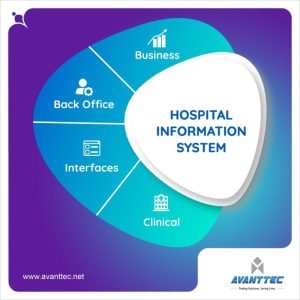
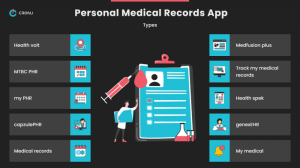
Maintaining accurate health records for seniors is crucial for ensuring they receive appropriate and timely screenings to monitor their health status. Electronic health records play a key role in facilitating the coordination of screenings for elderly patients, as they allow healthcare providers to access comprehensive information about their medical history, previous screenings, and any existing conditions.
Importance of Health Records for Seniors
Accurate health records provide a complete picture of a senior’s health, allowing healthcare providers to make informed decisions about the type and frequency of screenings needed. This helps in early detection of potential health issues and timely interventions.
Coordination of Screenings with Electronic Health Records
Electronic health records streamline the process of scheduling and tracking screenings for seniors by centralizing all relevant information in one place. This ensures that healthcare providers can easily identify when screenings are due and follow up accordingly.
Confidentiality and Security Measures
Confidentiality and security of senior health records are of utmost importance to protect sensitive information. Healthcare facilities adhere to strict protocols and utilize secure systems to safeguard personal health data from unauthorized access or breaches.
Technology Advancements in Health Screening
Technology plays a crucial role in advancing health screenings for seniors, offering innovative solutions to improve accuracy, efficiency, and accessibility in healthcare.
Innovative Technologies in Health Screenings for Seniors
- Telemedicine: Telemedicine allows seniors to consult with healthcare providers remotely, eliminating the need for in-person visits. This technology enables seniors to receive timely care without having to travel, especially beneficial for those with mobility issues.
- Remote Monitoring: Remote monitoring devices such as wearable sensors and smart home technology enable healthcare providers to track seniors’ vital signs and health data in real-time. This continuous monitoring helps in early detection of health issues and personalized interventions.
- Artificial Intelligence (AI): AI algorithms are being used to analyze large datasets and medical images, enhancing the accuracy of diagnostic screenings for conditions like cancer, cardiovascular diseases, and neurological disorders. AI-driven tools can provide predictive analytics to identify potential health risks in seniors.
In conclusion, Health Screening for Seniors serves as a vital tool in promoting optimal health outcomes and addressing age-related health concerns proactively. By embracing regular screenings and leveraging advancements in healthcare technology, seniors can embark on a journey towards a healthier and more fulfilling life.
Common Queries
How often should seniors undergo health screenings?
Seniors should typically undergo health screenings as recommended by their healthcare provider, which may vary based on individual health conditions and risk factors.
Are there specific health screenings tailored for elderly women?
Yes, certain screenings such as mammograms and bone density tests are commonly recommended for elderly women to detect conditions like breast cancer and osteoporosis.
Does Medicare cover all health screenings for seniors?
Medicare covers many preventive services and screenings, but it’s essential to check specific coverage details with Medicare providers.