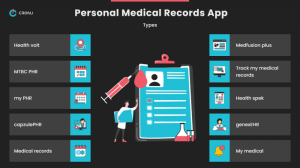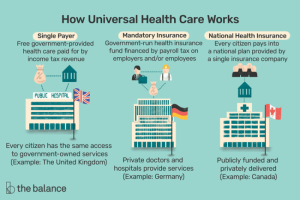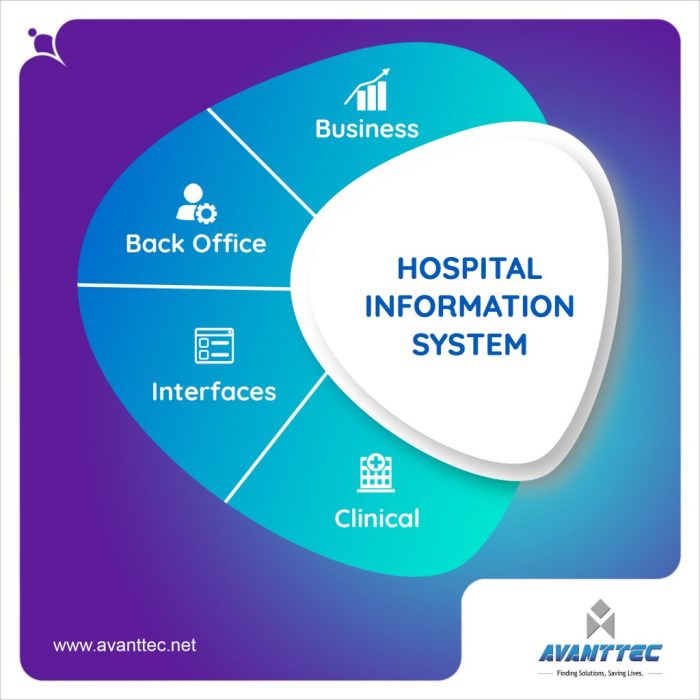
With Health Records Management Software for Hospitals at the forefront, this paragraph opens a window to an amazing start and intrigue, inviting readers to embark on a storytelling journey filled with unexpected twists and insights.
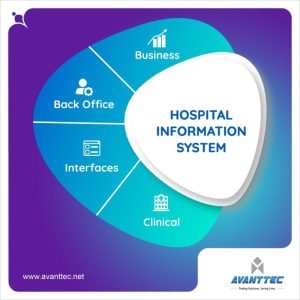
Healthcare providers are increasingly turning to specialized software solutions to manage the vast amounts of patient data efficiently. In this digital age, the role of technology in organizing, securing, and sharing health records has never been more crucial. Let’s delve into the world of Health Records Management Software for Hospitals and explore how it revolutionizes the way medical information is handled.
Introduction to Health Records Management Software for Hospitals
Efficient health records management is crucial for hospitals to provide quality patient care, ensure accurate documentation, and comply with regulatory requirements. The proper organization, storage, and security of health records play a significant role in the overall operations of a healthcare facility.
Role of Software in Organizing, Storing, and Securing Health Records
Health records management software streamlines the process of storing and organizing patient information electronically. It allows healthcare providers to access patient records quickly, update information in real-time, and maintain accurate and up-to-date records. Additionally, these software systems offer advanced security features to protect sensitive patient data from unauthorized access.
Benefits of Using Specialized Software for Managing Health Records in Hospitals
- Improved Efficiency: Health records management software automates tasks, reduces paperwork, and eliminates manual errors, leading to increased efficiency in managing patient records.
- Enhanced Patient Care: By providing easy access to comprehensive patient information, healthcare providers can make informed decisions quickly, leading to improved patient care outcomes.
- Regulatory Compliance: Specialized software ensures hospitals comply with data privacy regulations and standards, reducing the risk of legal penalties and data breaches.
- Cost Savings: Implementing health records management software can lead to cost savings by reducing the need for paper-based records, storage space, and administrative tasks.
Features of Health Records Management Software
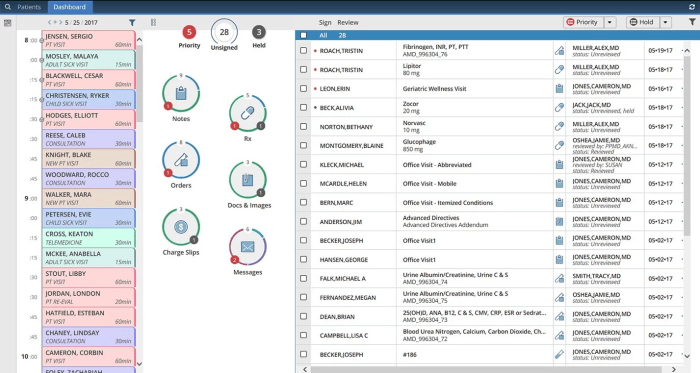
Health records management software for hospitals comes with a variety of key features that are essential for efficient healthcare operations. These features not only streamline the process of managing patient records but also enhance the overall workflow of healthcare providers.
Integration with Electronic Health Records (EHR)
- Allows seamless integration with existing electronic health records systems for easy access to patient information.
- Enables healthcare providers to view and update patient records in real-time, ensuring accuracy and efficiency in care delivery.
- Improves communication between healthcare teams by providing a centralized platform for sharing patient data.
Customizable Templates and Forms
- Offers customizable templates and forms to suit the specific needs of different medical specialties and practices.
- Facilitates the creation of standardized documentation processes, reducing the risk of errors and ensuring consistency in patient records.
- Allows healthcare providers to create personalized templates for quicker data entry and improved record-keeping.
Security and Compliance Features
- Includes robust security features to protect patient data from unauthorized access or breaches.
- Complies with healthcare regulations and standards to ensure the confidentiality and integrity of patient information.
- Provides audit trails and access controls to track changes made to patient records and monitor user activity.
Decision Support Tools
- Offers decision support tools such as alerts, reminders, and notifications to help healthcare providers make informed decisions in patient care.
- Integrates clinical guidelines and best practices to assist in diagnosis, treatment planning, and medication management.
- Improves clinical outcomes by providing evidence-based recommendations and real-time insights into patient data.
Implementation and Integration of Health Records Software
Implementing and integrating health records management software in hospitals is crucial for efficient patient care and data management. It involves a systematic approach to ensure smooth transition and optimal utilization of the software.
Step-by-Step Guide for Implementation:
- Assess Hospital Needs: Identify the specific requirements of the hospital in terms of data management, patient care, and regulatory compliance.
- Select the Right Software: Choose a health records management software that aligns with the hospital’s needs and budget constraints.
- Training and Education: Provide comprehensive training to staff members on how to use the software effectively for data entry, retrieval, and analysis.
- Phased Implementation: Roll out the software in phases to minimize disruption and ensure a smooth transition for all departments.
- Testing and Evaluation: Conduct thorough testing of the software before full deployment to identify any potential issues or bugs.
- Continuous Support: Offer ongoing technical support and training to staff to address any challenges or questions that may arise during the implementation process.
Challenges and Solutions during Integration:
- Data Migration Issues: Address data migration challenges by ensuring accurate and secure transfer of existing patient records to the new system.
- Resistance to Change: Overcome resistance from staff members by involving them in the decision-making process and providing adequate training and support.
- Interoperability Concerns: Ensure seamless integration with other hospital systems to facilitate data sharing and interoperability for better patient care.
- Cost Constraints: Manage budget constraints by selecting software solutions that offer scalability and customization options based on the hospital’s needs.
Importance of Seamless Integration:
Seamless integration of health records management software with other hospital systems is essential for effective data sharing and collaboration among healthcare providers. It allows for real-time access to patient information, reduces duplication of tests and procedures, and improves overall efficiency in patient care delivery.
Security and Compliance in Health Records Management
Data security and patient privacy are paramount in health records management software to ensure the confidentiality, integrity, and availability of sensitive information. Hospitals must adhere to various compliance requirements, such as HIPAA (Health Insurance Portability and Accountability Act) and GDPR (General Data Protection Regulation), to protect patient data and avoid legal repercussions.
Importance of Data Security and Patient Privacy
Ensuring data security and patient privacy in health records management software is crucial to maintain trust with patients and comply with regulatory standards. Unauthorized access to sensitive health information can lead to identity theft, medical fraud, and compromised patient care.
Compliance Requirements
- HIPAA: Hospitals in the United States must comply with HIPAA regulations to safeguard the privacy and security of protected health information (PHI). This includes implementing safeguards to prevent data breaches and unauthorized access to patient records.
- GDPR: Hospitals in the European Union need to adhere to GDPR guidelines to protect the personal data of EU residents. This regulation requires transparency in data processing, explicit consent for data collection, and strict security measures to prevent data breaches.
Security Measures in Health Records Management Software
- Encryption: Health records management software often uses encryption techniques to secure data both at rest and in transit. This ensures that unauthorized users cannot access or intercept sensitive information.
- Access Controls: Role-based access controls limit the data that each user can view or modify within the software. This helps prevent unauthorized users from accessing confidential patient records.
- Audit Trails: Audit trails track user activity within the software, allowing administrators to monitor who accessed specific records and when. This helps identify any unauthorized access or suspicious behavior.
Impact of Health Records Software on Healthcare Access
Efficient health records management software plays a crucial role in improving access to patient information for healthcare providers. By digitizing and centralizing medical records, software enables quick retrieval and sharing of crucial data, leading to better decision-making and enhanced patient care.
Improved Efficiency in Patient Care
- Health records software reduces wait times by providing instant access to patient information, eliminating the need to search through paper records.
- Doctors and nurses can quickly view test results, medical history, and treatment plans, resulting in faster diagnosis and treatment.
- Integration with other hospital systems allows for seamless coordination of care and reduces the risk of errors due to missing or outdated information.
Enhanced Communication among Healthcare Teams
- Health records software facilitates real-time communication between different healthcare providers, allowing for collaborative decision-making and improved patient outcomes.
- Doctors, nurses, and specialists can easily share notes, updates, and treatment plans, ensuring that all team members are well-informed and on the same page.
- Secure messaging features enable quick consultations and discussions, leading to a more efficient and coordinated approach to patient care.
Effect of Health Records Software on Healthcare Costs
Implementing health records software can significantly reduce operational costs for hospitals. By digitizing and streamlining the management of patient records, hospitals can save time and resources that would otherwise be spent on manual record-keeping processes.
Financial Benefits of Efficient Health Records Management
- Reduced administrative costs: Health records software automates tasks such as data entry, retrieval, and organization, minimizing the need for manual labor and reducing administrative expenses.
- Improved billing accuracy: With electronic health records, hospitals can ensure accurate and timely billing, reducing revenue leakage and maximizing reimbursements.
- Enhanced operational efficiency: Efficient health records management leads to faster access to patient information, reducing wait times, improving patient flow, and ultimately increasing the hospital’s efficiency.
Case Studies on Cost Savings Achieved Through Health Records Software
Case Study 1: XYZ Hospital
After implementing a health records software system, XYZ Hospital reported a 20% reduction in administrative costs within the first year. The hospital was able to reallocate resources to other critical areas, resulting in overall cost savings.
Case Study 2: ABC Medical Center
ABC Medical Center saw a 15% decrease in billing errors and a 30% increase in billing efficiency after adopting a health records software solution. This led to improved revenue capture and reduced financial losses for the hospital.
Role of Healthcare Providers in Health Records Management
Healthcare providers play a crucial role in maintaining and updating health records using software in hospitals. They are responsible for ensuring the accuracy, completeness, and confidentiality of patient information stored in the system.
Responsibilities of Healthcare Providers
- Entering patient data into the system accurately and in a timely manner.
- Updating patient records with new information such as test results, diagnoses, and treatment plans.
- Ensuring patient confidentiality and compliance with data protection regulations.
- Reviewing and verifying the accuracy of information before making treatment decisions.
Assistance from Software Tools
Software tools assist healthcare providers by organizing patient data in a structured format, making it easier to access and analyze. These tools can generate reports, provide alerts for medication interactions, and offer decision support based on evidence-based guidelines.
Importance of Training Healthcare Staff
- Training healthcare staff on using health records management software effectively is essential to ensure that they can navigate the system efficiently.
- Proper training helps in avoiding errors in data entry and ensures that patient information is accurately documented.
- Continuous education on software updates and best practices is crucial to maximize the benefits of using health records software.
Influence of Health Insurance on Health Records Management
Health insurance plays a significant role in shaping how health records are managed within hospitals. Let’s delve into how health insurance companies utilize data from health records management software and the impact of insurance policies on the type of information stored in health records.
Utilization of Data by Health Insurance Companies
Health insurance companies heavily rely on data from health records management software to assess the health status of individuals, determine coverage eligibility, and process claims efficiently. By analyzing this data, insurance companies can tailor their policies and premiums based on the health history and risk factors of the insured individuals.
- Health insurance companies use data from health records to evaluate pre-existing conditions, treatment history, and medication usage to assess risk and determine coverage.
- Data from health records management software helps insurance companies identify patterns, trends, and potential health risks among their insured population, allowing them to offer targeted wellness programs and preventive care initiatives.
- By streamlining the access to accurate and up-to-date health information through software integration, insurance companies can expedite the claims processing and approval process, leading to faster reimbursement for hospitals and patients.
Impact of Insurance Policies on Health Records
Insurance policies directly influence the type of information stored in health records, as hospitals are required to document specific details to meet insurance requirements and facilitate claims processing.
- Insurance policies dictate the level of detail required in health records, such as diagnosis codes, treatment procedures, and medication prescriptions, to ensure accurate billing and reimbursement.
- Health records must comply with insurance guidelines and standards to guarantee transparency, accuracy, and consistency in the information provided to insurance companies for claims processing.
Streamlining Insurance Claims Process
Health records management software plays a crucial role in streamlining the insurance claims process for hospitals and patients by facilitating seamless data sharing and communication between healthcare providers and insurance companies.
- Software integration enables real-time access to patient records, treatment histories, and billing information, reducing administrative errors and delays in claims processing.
- Automated features within health records management software help hospitals generate accurate claims, verify insurance coverage, and submit claims electronically, improving efficiency and reducing paperwork.
- By enhancing the accuracy and completeness of health records through software solutions, hospitals can expedite the claims approval process, minimize claim denials, and optimize revenue cycles.
Government Health Policies and Health Records Management
Government health policies play a crucial role in shaping the development and use of health records management software in hospitals. These policies and regulations influence the adoption of electronic health records and impact the overall healthcare system.
Role of Government Initiatives in Promoting EHR Adoption
Government initiatives have been instrumental in promoting the adoption of electronic health records (EHR) in hospitals. For example, the Health Information Technology for Economic and Clinical Health (HITECH) Act in the United States provided financial incentives for healthcare providers to implement EHR systems. This led to a significant increase in EHR adoption across healthcare facilities.
Policy Changes Shaping Health Records Management
Policy changes have greatly influenced the landscape of health records management. For instance, the implementation of the Health Insurance Portability and Accountability Act (HIPAA) in the U.S. set standards for the protection of patients’ health information. This prompted hospitals to invest in secure health records management software to ensure compliance with the regulations.
Impact of Government Regulations on Software Development
Government regulations regarding data privacy and security have driven the development of robust health records management software. Software developers are required to adhere to strict guidelines to ensure the protection of patients’ sensitive information. This has led to the creation of advanced software solutions with encryption and access control features to safeguard health records.
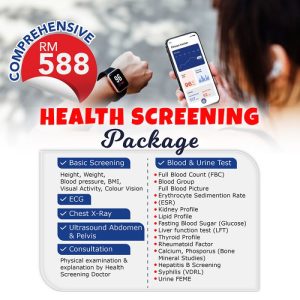
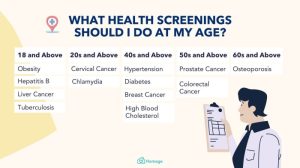
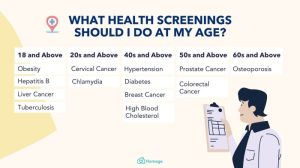
Importance of Health Screening Data in Health Records
Health screening data plays a crucial role in maintaining comprehensive health records for patients. It provides valuable insights into an individual’s overall health status, helps in early detection of potential health issues, and enables healthcare providers to offer personalized care based on specific risk factors.
Significance of Health Screening Data
- Identifying Risk Factors: Health screening data helps in identifying risk factors such as high cholesterol, high blood pressure, or diabetes, which are key indicators of potential health problems.
- Early Detection: By analyzing health screening results, healthcare providers can detect health issues at an early stage, leading to timely interventions and better treatment outcomes.
- Preventive Care: Effective management of health screening data allows for the implementation of preventive healthcare measures, such as lifestyle modifications, screenings, and vaccinations, to reduce the risk of developing chronic diseases.
As we conclude our exploration of Health Records Management Software for Hospitals, it becomes evident that technology plays a pivotal role in shaping the future of healthcare. By streamlining data management, enhancing access to vital information, and ensuring compliance with regulations, these software solutions are paving the way for a more efficient and patient-centric healthcare system.
Q&A
How can health records management software benefit hospitals?
Health records management software can streamline operations, improve efficiency, enhance data security, and facilitate better patient care coordination.
What are some key challenges hospitals face when implementing such software?
Hospitals may encounter issues like staff resistance to change, data migration complexities, interoperability problems with existing systems, and ensuring compliance with regulatory standards.
How does health records software impact healthcare costs?
By reducing manual processes, minimizing errors, improving resource allocation, and optimizing workflows, health records software can lead to significant cost savings for hospitals.