Embark on a journey through the realm of Best Health Screenings for Adults, where the focus lies on the critical aspects of early detection and prevention. This insightful exploration delves into the significance of health screenings and their impact on adult well-being.
As we navigate through the different types of screenings, access challenges, healthcare costs, provider roles, policy influences, record-keeping importance, and technological advancements, a comprehensive understanding of adult health screenings unfolds.
Importance of Health Screenings
Regular health screenings are essential for adults as they play a crucial role in preventive healthcare. These screenings help in early detection of potential health issues, allowing for timely intervention and treatment. By identifying risk factors early on, individuals can take proactive steps to maintain or improve their health.
Common Health Screenings for Adults
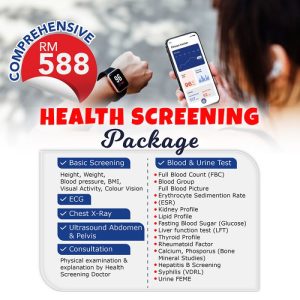
- Blood Pressure Check: High blood pressure is a common condition that often goes unnoticed. Regular blood pressure screenings can help in the early detection of hypertension.
- Cholesterol Test: Monitoring cholesterol levels through regular screenings can help in assessing the risk of heart disease and stroke.
- Colorectal Cancer Screening: Screening tests such as colonoscopies can detect precancerous polyps or early-stage colorectal cancer, increasing the chances of successful treatment.
- Blood Glucose Test: Regular screenings for blood glucose levels are important for detecting diabetes or prediabetes early on.
- Mammogram: Women are advised to undergo regular mammograms to screen for breast cancer, allowing for early detection and treatment.
Early Detection of Diseases
Regular health screenings can aid in the early detection of various diseases and conditions, such as diabetes, hypertension, cancer, and heart disease. Early diagnosis often leads to more effective treatment options and better outcomes. By staying proactive with health screenings, adults can take charge of their well-being and make informed decisions about their health. Remember, prevention is always better than cure.
Types of Health Screenings
Regular health screenings are crucial for adults to detect any potential health issues early on. There are various types of health screenings available, each serving a different purpose in maintaining overall health and well-being.
Preventive Screenings vs. Diagnostic Screenings
- Preventive Screenings: These screenings are done routinely to detect any potential health issues before symptoms appear. Examples include blood pressure checks, cholesterol tests, mammograms, and colonoscopies.
- Diagnostic Screenings: Diagnostic screenings are performed when symptoms are present or a specific health concern needs to be investigated further. Examples include biopsies, imaging tests, and blood tests for specific conditions.
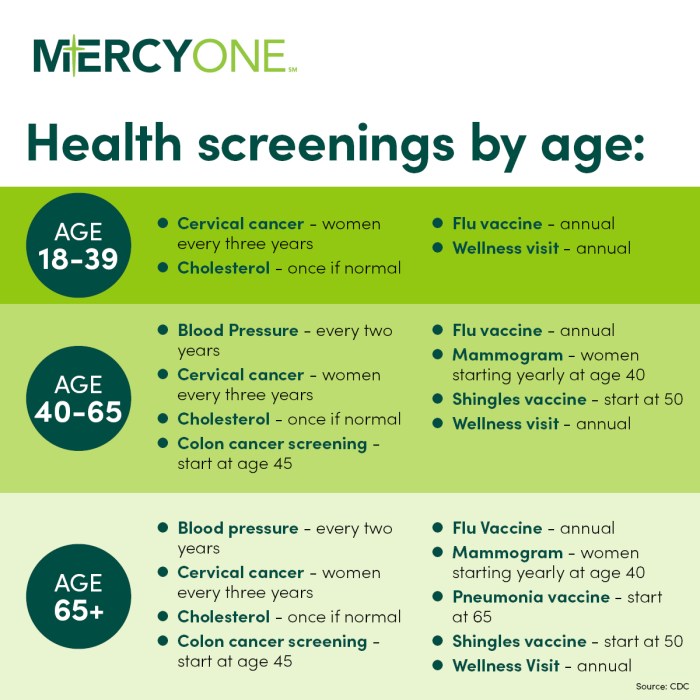
Recommended Frequency for Various Health Screenings
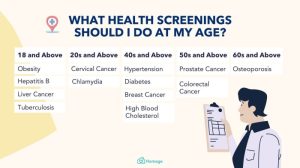
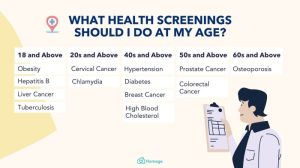
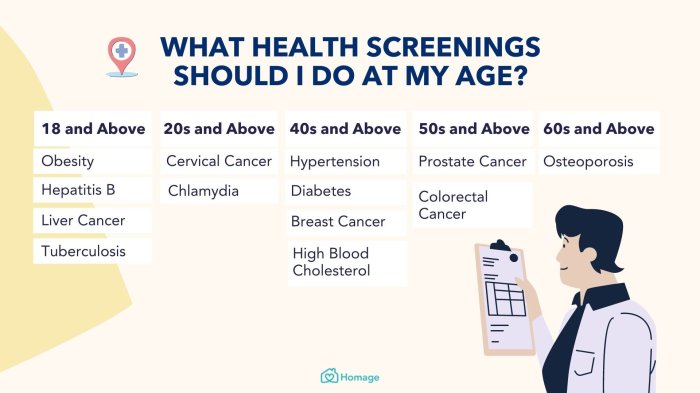
- For adults in their 20s and 30s, regular screenings for blood pressure, cholesterol, diabetes, and certain cancers are recommended every few years, depending on individual risk factors.
- As adults reach their 40s and 50s, additional screenings for conditions like osteoporosis, colorectal cancer, and prostate cancer may be recommended.
- For adults over 60, screenings for conditions such as dementia, hearing loss, and vision problems become more important, along with continued monitoring of heart health and cancer screenings.
Access to Health Screenings
Accessing health screenings for adults can be challenging due to various barriers that individuals may face.
Barriers to Accessing Health Screenings
- Lack of awareness about the importance of health screenings and preventive care.
- Financial constraints, including the cost of screenings and lack of insurance coverage.
- Limited access to healthcare facilities or transportation issues, especially in rural or underserved areas.
- Cultural or language barriers that may prevent individuals from seeking screenings.
Strategies to Improve Access to Health Screenings for Underserved Populations
- Implementing community outreach programs to raise awareness and educate individuals about the benefits of health screenings.
- Offering screenings at reduced or no cost through government-funded programs or community health centers.
- Providing transportation services or mobile clinics to reach individuals in remote areas.
- Addressing cultural competency by ensuring healthcare providers are sensitive to the diverse needs of underserved populations.
Role of Healthcare Providers in Facilitating Access to Health Screenings
- Healthcare providers play a crucial role in recommending and scheduling screenings based on individual risk factors and guidelines.
- Collaborating with community organizations to reach out to underserved populations and provide necessary resources for screenings.
- Offering telehealth services for screenings to increase access for individuals who may have difficulty visiting a healthcare facility.
- Advocating for policies that support equitable access to health screenings for all individuals, regardless of their socioeconomic status or background.
Healthcare Costs and Health Insurance
When it comes to health screenings for adults, understanding the associated costs and how health insurance coverage impacts access is crucial. Navigating healthcare costs related to these screenings can be challenging, but there are ways to make it more manageable.
Costs Associated with Different Health Screenings
Health screenings can vary in cost depending on the type of screening, the facility where it is conducted, and whether or not you have health insurance coverage. Some screenings may be fully covered by insurance, while others may require out-of-pocket expenses.
- Annual physical exams are typically covered by insurance as preventive care.
- Screenings such as mammograms, colonoscopies, and blood tests may also be covered based on age and risk factors.
- Specialized screenings like genetic testing or advanced imaging may have higher costs and may not be fully covered.
Health Insurance Coverage Impact
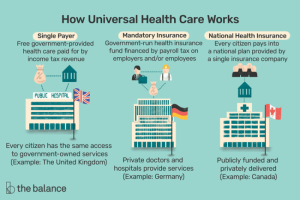
Having health insurance can significantly impact your access to health screenings. Insurance plans often cover preventive care services, including screenings, at little to no cost to the individual. This encourages individuals to undergo necessary screenings to detect health issues early.
- Check your insurance plan to understand what screenings are covered and any associated costs.
- Understand your deductible, copay, and coinsurance requirements for screenings.
- Utilize in-network providers to maximize insurance coverage and minimize out-of-pocket expenses.
Tips on Navigating Healthcare Costs
Managing healthcare costs related to screenings can be challenging, but there are strategies to help minimize expenses and ensure access to necessary care.
- Discuss screening costs with your healthcare provider upfront to understand potential expenses.
- Explore community health clinics or free screening programs for affordable options.
- Consider health savings accounts (HSAs) or flexible spending accounts (FSAs) to save for medical expenses.
Healthcare Providers and Health Screenings
When it comes to health screenings, healthcare providers play a crucial role in recommending, coordinating, and interpreting the results. Primary care physicians are often the first point of contact for individuals seeking preventive care and routine screenings.
Role of Primary Care Physicians
Primary care physicians are responsible for assessing your overall health, identifying risk factors, and recommending appropriate health screenings based on age, gender, family history, and lifestyle factors. They serve as the gatekeepers to specialized care and can coordinate with other healthcare professionals to ensure comprehensive screening and follow-up care.
Building a Relationship with Healthcare Providers
Building a strong relationship with your healthcare providers is key to effective health screenings. It allows for open communication, trust, and continuity of care, ensuring that screenings are tailored to your individual needs and preferences. Regular check-ins and discussions with your providers can help you stay proactive about your health.
Involvement of Specialists
Depending on your specific health needs and risk factors, specialists may be involved in conducting certain health screenings. For example, individuals with a family history of heart disease may be referred to a cardiologist for cardiac screenings, while those at risk for certain cancers may see an oncologist for specialized screenings. Collaborating with specialists ensures that you receive targeted screenings and appropriate follow-up care.
Health Policies and Health Screenings
Government policies play a crucial role in shaping the availability, accessibility, and affordability of health screenings for adults. These policies can greatly influence the overall health outcomes of a population by promoting preventive care and early detection of diseases.
Impact of Government Policies
Government policies can impact the availability of health screenings by mandating insurance coverage for certain preventive services. For example, the Affordable Care Act in the United States requires insurance plans to cover recommended preventive services without cost-sharing for the insured individual. This has led to an increase in the number of adults receiving regular health screenings.
- Government policies can also allocate funding for community health programs that offer free or low-cost screenings to underserved populations. These initiatives help bridge the gap in access to preventive care for individuals who may not have insurance or financial means to pay for screenings.
- Policy changes can also influence the types of screenings that are recommended or covered by insurance. By updating guidelines and regulations, policymakers can ensure that adults are receiving the most effective and evidence-based screenings for their age, gender, and risk factors.
Role of Preventive Health Policies
Preventive health policies are designed to promote regular health screenings for adults as part of routine healthcare. These policies emphasize the importance of early detection and intervention to prevent the progression of diseases and improve health outcomes.
- By encouraging healthcare providers to offer screenings during routine check-ups, preventive health policies help ensure that adults are aware of their health status and risk factors. This proactive approach can lead to timely interventions and better management of chronic conditions.
- Preventive health policies also educate the public about the benefits of regular screenings and empower individuals to take control of their health. Through public health campaigns and outreach programs, policymakers can raise awareness about the importance of preventive care and motivate adults to prioritize screenings as part of their healthcare routine.
Impact of Policy Changes
Policy changes can have a significant impact on the accessibility and affordability of health screenings for adults. When policies are revised to expand coverage, increase funding, or update guidelines, the healthcare system can better meet the needs of the population and reduce barriers to preventive care.
- For example, policy changes that mandate insurance coverage for additional screenings or lower out-of-pocket costs can make screenings more accessible to a larger segment of the population. This can lead to higher screening rates and earlier detection of diseases, ultimately improving health outcomes and reducing healthcare costs.
- Conversely, policy changes that restrict coverage or limit funding for preventive services can hinder access to screenings and disproportionately affect vulnerable populations. It is essential for policymakers to consider the potential impact of policy changes on healthcare disparities and work towards ensuring equitable access to essential preventive care services for all adults.
Health Records and Health Screenings
Maintaining accurate health records is crucial for effective health screenings. These records contain valuable information about your medical history, previous screenings, and any health concerns that need to be addressed. By ensuring that your health records are up to date and accurate, healthcare providers can make informed decisions about the appropriate screenings you may need.
Importance of Electronic Health Records
Electronic health records (EHRs) have revolutionized the way health screenings are tracked over time. EHRs allow healthcare providers to access your complete medical history, including previous screenings, test results, and diagnoses. This comprehensive information enables providers to identify any gaps in screenings and recommend necessary tests based on your individual health profile.
- Electronic reminders: EHRs can generate reminders for upcoming screenings based on your age, gender, and medical history, ensuring that you stay up to date with preventive care.
- Efficient communication: EHRs facilitate seamless communication between healthcare providers, allowing for coordinated care and timely follow-ups on screening results.
- Accessibility: EHRs can be accessed securely by authorized healthcare professionals, ensuring that your health information is readily available when needed.
Tips for Organizing Health Records
Organizing and managing your health records related to screenings can lead to better healthcare outcomes. Here are some tips to help you stay organized:
- Keep a dedicated folder or digital file for all health-related documents, including screening results, vaccination records, and insurance information.
- Update your health records regularly with new screenings, test results, and any changes in your medical history.
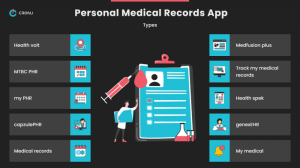
- Consider using health apps or online portals to track your screenings and receive reminders for upcoming tests.
- Share your health records with your healthcare providers during appointments to ensure that they have the most accurate information for screening recommendations.
Innovations in Health Screening Technologies
Advancements in health screening technologies for adults have revolutionized the way screenings are conducted, making them more efficient and accessible. These innovations have paved the way for new methods of health monitoring and early detection of potential health issues.
Telehealth and Remote Monitoring
Telehealth and remote monitoring have become increasingly popular in the realm of health screenings. These technologies allow individuals to undergo screenings from the comfort of their own homes, eliminating the need for in-person visits to healthcare facilities. Through video consultations and remote monitoring devices, healthcare providers can efficiently assess an individual’s health status and provide necessary recommendations.
Wearable Devices and Digital Health Tools
Wearable devices, such as smartwatches and fitness trackers, are playing a significant role in health screenings. These devices can track vital signs, activity levels, and even detect irregularities in heart rate or sleep patterns. By using digital health tools, individuals can monitor their health in real-time and share this data with healthcare providers for a more comprehensive evaluation. This proactive approach to health screenings enables early intervention and personalized care.
In conclusion, Best Health Screenings for Adults play a pivotal role in safeguarding health and enhancing quality of life. By prioritizing proactive screenings and staying informed about the latest innovations, adults can take charge of their well-being and embrace a healthier future.
Key Questions Answered
What are some lesser-known health screenings recommended for adults?
Lesser-known screenings may include genetic testing for hereditary conditions, lung cancer screenings for smokers or former smokers, and bone density screenings for osteoporosis risk.
How often should adults undergo preventive health screenings?
The frequency of screenings varies based on age, gender, family history, and lifestyle factors. Generally, annual check-ups and screenings are recommended for optimal health maintenance.
Can I request specific health screenings from my healthcare provider?
Absolutely, advocating for personalized screenings based on your health concerns or family history is encouraged. Open communication with your provider can lead to tailored screening plans that address your individual needs.