Starting off with Health Insurance for Seniors, this introduction aims to grab the reader’s attention and provide a glimpse into the importance of accessible healthcare for the elderly population.
Following this, we will delve into the specifics Artikeld in the subsequent paragraphs, shedding light on various aspects related to health insurance options for seniors.
Healthcare Access for Seniors
As seniors age, they often face challenges in accessing healthcare services due to various factors such as limited mobility, complex health conditions, and fixed incomes.
Importance of Affordable Healthcare Options
Having affordable healthcare options is crucial for seniors as they may require frequent medical attention and prescription medications. High healthcare costs can lead to financial strain and limit access to necessary treatments.
Impact of Geographical Location
The geographical location of seniors can significantly impact their access to healthcare services. Rural areas may have fewer healthcare facilities and specialists, making it harder for seniors living in these areas to receive timely and quality care.
Strategies to Improve Healthcare Access
- Expand telehealth services to reach seniors in remote areas and provide virtual consultations.
- Increase funding for community health centers that cater to the elderly population.
- Enhance transportation services for seniors to overcome mobility barriers and reach medical appointments.
- Implement programs to educate seniors about available healthcare resources and how to navigate the healthcare system effectively.
Healthcare Costs for Seniors
As seniors age, their healthcare expenses tend to increase due to various factors such as chronic conditions, medical emergencies, and prescription medications. These costs can have a significant impact on their overall financial well-being, especially for those living on fixed incomes.
Common Healthcare Expenses for Seniors
- Doctor visits and specialist consultations
- Hospital stays and surgeries
- Prescription medications
- Medical equipment and supplies
- Dental care and vision services
Comparison of Health Insurance Plans for Seniors
Seniors have the option to choose from different health insurance plans such as Medicare, Medicare Advantage, and Medigap. Each plan offers varying levels of coverage and costs, so it’s essential for seniors to compare them carefully to find the most suitable plan for their needs and budget.
Financial Impact of Healthcare Costs on Seniors
- Seniors living on fixed incomes may struggle to afford high healthcare costs, leading to financial strain and potential sacrifices in other areas of life.
- Rising healthcare expenses can deplete savings and retirement funds, affecting seniors’ long-term financial security.
- Some seniors may forego necessary medical care or medications due to cost concerns, which can negatively impact their health and quality of life.
Tips for Managing and Reducing Healthcare Expenses for Seniors
- Review and compare health insurance plans annually to ensure you have the most cost-effective coverage.
- Take advantage of preventive care services covered by Medicare to avoid costly medical treatments in the future.
- Ask your healthcare provider about generic medication options and prescription assistance programs to lower drug costs.
- Explore community resources and programs that offer financial assistance for seniors with limited income.
- Consider enrolling in a prescription drug plan (Part D) to help cover the costs of medications.
Healthcare Providers for Seniors

As seniors age, their healthcare needs become more complex and varied. It is crucial for them to establish a strong relationship with healthcare providers who specialize in geriatric care to ensure their well-being.
Types of Healthcare Providers
- Primary Care Physician: Seniors should have a primary care physician who can manage their overall health and coordinate any specialist care needed.
- Geriatrician: These healthcare providers specialize in the care of older adults and can address age-related health concerns.
- Specialists: Depending on specific health conditions, seniors may need to see specialists such as cardiologists, neurologists, or endocrinologists.
- Nurse Practitioners: Nurse practitioners can provide primary care services and support for seniors, often spending more time with patients than physicians.
- Physical Therapists: For seniors who need rehabilitation or assistance with mobility, physical therapists play a crucial role in improving quality of life.
Importance of Establishing a Good Relationship
Building a strong relationship with healthcare providers is essential for seniors to receive personalized care, effective treatment, and ongoing support for their health needs. It helps in better communication, understanding of medical conditions, and coordination of care among different providers.
Finding Healthcare Providers Specializing in Geriatric Care
- Ask for Referrals: Seek recommendations from friends, family, or your primary care physician for healthcare providers specializing in geriatric care.
- Research Online: Use online resources and directories to find healthcare providers in your area who have experience in treating seniors.
- Check Credentials: Look for healthcare providers who are board-certified in geriatric medicine or have additional training in caring for older adults.
Tips for Effective Communication
- Be Honest and Open: Share your symptoms, concerns, and questions openly with your healthcare provider.
- Ask Questions: Don’t hesitate to ask for clarification or more information about your health condition and treatment plan.
- Keep a Health Journal: Maintain a record of your symptoms, medications, and any changes in your health to discuss with your healthcare provider.
- Bring a List: Before appointments, prepare a list of questions or topics to discuss to make the most of your time with your healthcare provider.
Health Insurance Options for Seniors
As seniors approach retirement age, it becomes crucial for them to have the right health insurance coverage to meet their medical needs. There are various options available, including private health insurance plans as well as government-sponsored programs designed specifically for seniors.
Types of Health Insurance Plans
- Medicare: A federal health insurance program for individuals aged 65 and older, as well as certain younger individuals with disabilities.
- Medicaid: A joint federal and state program that helps with medical costs for people with limited income and resources.
- Medigap: Also known as Medicare Supplement Insurance, it helps pay for some of the healthcare costs that original Medicare doesn’t cover.
Private Health Insurance vs. Government-Sponsored Programs
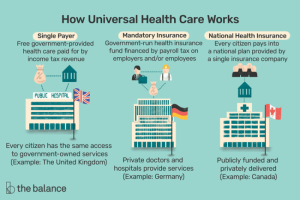
Private health insurance plans are typically purchased through an employer or on the individual market, offering a range of coverage options based on premiums and deductibles. On the other hand, government-sponsored programs like Medicare and Medicaid provide essential health coverage for seniors at a subsidized cost, based on income and eligibility criteria.
Benefits of Medicare and Medicaid
- Medicare Part A covers hospital stays, skilled nursing facility care, hospice care, and some home health care.
- Medicare Part B covers certain doctors’ services, outpatient care, medical supplies, and preventive services.
- Medicaid helps with long-term care services, prescription drugs, and other medical expenses for eligible seniors with limited income.
Choosing the Right Health Insurance Plan
When selecting a health insurance plan for seniors, it’s essential to consider factors such as coverage options, out-of-pocket costs, network providers, prescription drug coverage, and overall affordability. Seniors should evaluate their healthcare needs and budget constraints to determine the most suitable plan that meets their requirements.
Health Policies Affecting Seniors
Healthcare policies play a crucial role in determining the quality of care that seniors receive. These policies can impact access to services, affordability of treatments, and overall health outcomes for the elderly population.
Impact of Recent Health Policy Changes
In recent years, changes in health policies have significantly affected senior citizens. For example, the introduction of Medicare Advantage plans has provided seniors with more options for coverage, including additional benefits such as dental and vision care. On the other hand, cuts to Medicaid funding have limited access to long-term care services for many seniors in need.
Importance of Advocacy for Elderly-friendly Policies
Advocacy for policies that benefit seniors is essential to ensure that the elderly population receives adequate care and support. Advocates work to influence policymakers to prioritize the needs of seniors, such as expanding Medicare coverage, increasing funding for senior programs, and protecting social security benefits.
Examples of Successful Health Policies for Seniors
- The Affordable Care Act (ACA) expanded access to preventive services for seniors, such as annual wellness visits and screenings, at no cost-sharing.
- The Older Americans Act (OAA) provides funding for essential services like meal programs, caregiver support, and transportation assistance for seniors.
- The Medicare Improvements for Patients and Providers Act (MIPPA) improved prescription drug coverage for seniors by closing the Medicare Part D “donut hole.”
Health Records Management for Seniors
Maintaining accurate health records is crucial for seniors as it helps in providing comprehensive and personalized healthcare. These records contain important information about medical history, medications, allergies, and previous treatments, enabling healthcare providers to make informed decisions about their care.
Challenges in Managing Health Records
- Memory issues: Seniors may struggle to remember details of their medical history and treatments.
- Technological barriers: Difficulty in navigating electronic health record systems.
- Organizational issues: Keeping track of paper documents and test results.
Role of Technology in Health Records
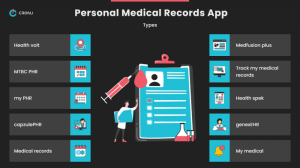
Technology plays a vital role in organizing and storing health records for seniors. Electronic health records systems not only centralize information but also allow for easy access and sharing among healthcare providers. Mobile apps and wearable devices can help seniors track their health data efficiently.
Tips for Secure Access and Sharing
- Use patient portals: Access medical records online and communicate with healthcare providers.
- Keep a physical copy: Maintain a printed record of essential health information in case of technology failure.
- Authorize family members: Allow trusted individuals to assist in managing and sharing health records.
- Stay informed: Regularly review and update health records to ensure accuracy.
Health Screening Importance for Seniors
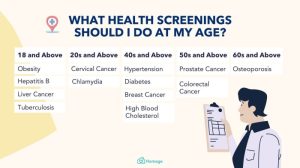
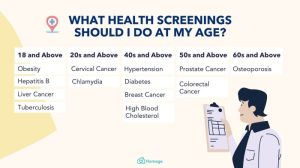
Regular health screenings play a crucial role in maintaining the well-being of seniors. These screenings help in the early detection of potential health issues, allowing for timely intervention and treatment. This proactive approach can significantly improve outcomes and quality of life for elderly individuals.
Common Health Screenings for Seniors
- Blood pressure checks: Regular monitoring helps in managing hypertension and reducing the risk of heart disease.
- Cholesterol tests: Screening for cholesterol levels can help in preventing cardiovascular diseases.
- Bone density scans: Detecting osteoporosis early can prevent fractures and improve bone health.
- Diabetes screenings: Monitoring blood sugar levels is essential for managing diabetes and preventing complications.
- Colonoscopies: Screening for colorectal cancer can lead to early detection and improved treatment outcomes.
Early Detection and Improved Outcomes
Regular health screenings enable healthcare providers to detect health issues at an early stage when treatment is most effective. By identifying problems before they progress, seniors can receive timely interventions, leading to better health outcomes and a higher quality of life.
Resources for Health Screenings
Seniors can utilize various resources to schedule and track their health screenings effectively. This includes utilizing online platforms for appointment reminders, maintaining a health journal to track screenings, and consulting with healthcare providers to ensure regular screenings are conducted based on individual needs.
In conclusion, the discussion on Health Insurance for Seniors emphasizes the significance of adequate coverage and affordable healthcare solutions tailored to meet the needs of senior citizens.
FAQ Guide
What are the most common challenges seniors face in accessing healthcare?
Seniors often encounter obstacles such as limited mobility, lack of transportation, long wait times, and complex healthcare systems.
How can seniors effectively communicate with their healthcare providers?
Seniors can communicate effectively by preparing questions beforehand, being honest about their symptoms, and actively participating in discussions about their health.
What are the key differences between private health insurance and government-sponsored programs for seniors?
Private health insurance offers more flexibility and coverage options but can be costly, while government programs like Medicare and Medicaid provide more affordable healthcare options with specific eligibility criteria.
Why is it important for seniors to maintain accurate health records?
Accurate health records help healthcare providers make informed decisions, prevent medical errors, track health trends, and ensure seamless care coordination.
How can early detection through health screenings benefit seniors?
Early detection allows for timely treatment, better management of health conditions, improved outcomes, and overall quality of life for seniors.