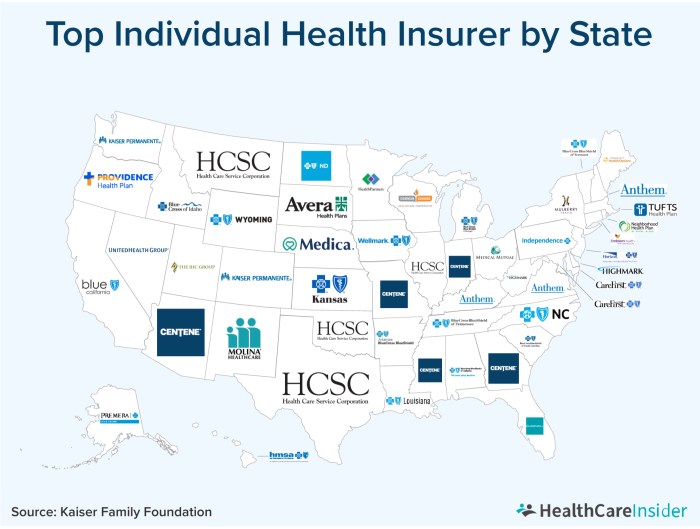
Top Health Insurance Companies sets the stage for this enthralling narrative, offering readers a glimpse into a story that is rich in detail and brimming with originality from the outset. From coverage options to customer satisfaction ratings, this exploration delves into the top players in the health insurance arena.
Top Health Insurance Companies
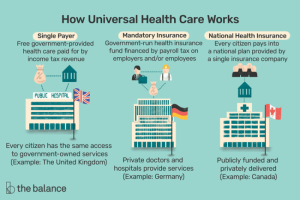
When it comes to health insurance, choosing the right company is crucial. Here is a list of the top 5 health insurance companies in the industry, along with a comparison of their coverage options, customer satisfaction ratings, and unique features:
1. UnitedHealth Group
UnitedHealth Group offers a wide range of coverage options, including individual plans, family plans, and Medicare Advantage plans. They also provide access to a large network of healthcare providers and offer wellness programs to help members stay healthy.
2. Anthem
Anthem provides coverage for individuals, families, and employers, with options for both HMO and PPO plans. They have high customer satisfaction ratings and offer benefits such as telehealth services and fitness programs.
3. Aetna
Aetna offers a variety of health insurance plans, including HMO, PPO, and high-deductible plans. They also have a strong focus on preventive care and wellness initiatives, such as discounts on gym memberships and smoking cessation programs.
4. Cigna
Cigna provides coverage for individuals, families, and employers, with options for both traditional and consumer-driven health plans. They offer 24/7 customer support and have programs to help manage chronic conditions and mental health issues.
5. Humana
Humana offers a range of health insurance plans, including Medicare Advantage and Medicaid plans. They have a strong focus on preventive care and wellness programs, such as nutrition counseling and fitness classes. Humana also provides support for members with chronic conditions.
Healthcare Access
Healthcare access is crucial for individuals to receive timely and appropriate medical care, leading to better health outcomes and improved quality of life. Without adequate access to healthcare services, individuals may delay seeking treatment, leading to worsened health conditions and unnecessary suffering.
Facilitation by Health Insurance Companies
- Health insurance companies play a vital role in facilitating healthcare access by providing coverage for medical expenses, including doctor visits, hospital stays, prescription medications, and preventive care.
- Through network partnerships with healthcare providers, health insurance companies ensure that their members have access to a wide range of medical services and specialists.
- Health insurance plans offer financial protection to individuals by covering a portion of their healthcare costs, reducing the financial barriers to seeking necessary medical treatment.
Initiatives by Top Companies
- Top health insurance companies often implement initiatives to improve healthcare access, such as telemedicine services that allow patients to consult with healthcare providers remotely, increasing access to care for individuals in rural or underserved areas.
- Some companies offer wellness programs and preventive care services to help individuals maintain their health and prevent chronic conditions, promoting early intervention and reducing healthcare costs in the long run.
- Collaborations with community health centers and clinics enable health insurance companies to expand access to care for vulnerable populations and underserved communities.
Impact on Public Health
- Improved healthcare access leads to better health outcomes for individuals, reducing the burden of disease and disability in the population.
- Increased access to preventive care and early intervention services helps to detect and treat health conditions at an early stage, preventing complications and reducing healthcare costs.
- By ensuring that individuals have access to necessary medical care, health insurance companies contribute to overall public health by promoting a healthier population and reducing healthcare disparities.
Healthcare Costs
Healthcare costs play a significant role in the overall landscape of health insurance. Understanding the factors that contribute to these costs, comparing cost structures among different insurance companies, and exploring strategies to manage and reduce costs are crucial aspects of the industry.
Factors Contributing to Healthcare Costs
- Rising prescription drug costs
- Increased utilization of healthcare services
- Advancements in medical technology
- Administrative expenses
Comparison of Cost Structures
- Some insurance companies may have lower premiums but higher out-of-pocket costs
- Others may offer comprehensive coverage with higher premiums
- Co-pays, deductibles, and coinsurance rates vary among insurers
Strategies to Manage and Reduce Healthcare Costs
- Implementing wellness programs to promote preventive care
- Negotiating lower rates with healthcare providers
- Utilizing telemedicine services to reduce unnecessary office visits
- Encouraging generic drug usage over brand-name medications
Impact of Rising Healthcare Costs
- Consumers may face higher premiums and out-of-pocket expenses
- Insurance companies may adjust coverage options and increase deductibles
- Employers may struggle to provide affordable health insurance benefits
- The overall affordability and accessibility of healthcare may be compromised
Healthcare Providers
Healthcare providers play a crucial role in the context of health insurance, as they are the professionals who deliver medical services to patients. Insurance companies collaborate with healthcare providers to ensure that policyholders have access to quality healthcare services at affordable rates.
Criteria for Selecting Preferred Providers
Insurance companies use various criteria to select preferred providers, such as the provider’s reputation, qualifications, experience, quality of care, and cost-effectiveness. By partnering with preferred providers, insurance companies can offer their policyholders discounted rates and streamlined access to healthcare services.
Impact of Provider Networks on Healthcare Services
Provider networks created by insurance companies can have a significant impact on the quality of healthcare services. These networks help ensure that policyholders have access to a wide range of healthcare providers, including specialists and hospitals. By maintaining high-quality provider networks, insurance companies can improve the overall healthcare experience for their policyholders.
Health Policies
Health policies play a crucial role in the realm of health insurance, as they Artikel the coverage, benefits, and terms of the insurance plan. These policies serve as a contract between the insurance company and the policyholder, detailing what services are covered, how much the policyholder will pay for those services, and any limitations or exclusions.
Comparison of Health Policies
Various insurance companies offer a range of health policies with different coverage options, premiums, deductibles, and co-pays. It is essential for individuals to compare these policies carefully to determine which one best meets their healthcare needs and financial situation. Some policies may focus on specific healthcare services, while others may offer more comprehensive coverage.
Customizing Policies for Diverse Needs
- Insurance companies tailor their health policies to cater to the diverse needs of customers, taking into account factors such as age, health condition, budget, and specific healthcare requirements.
- Policies can be customized with add-on options or riders to enhance coverage for services not included in the standard policy, providing flexibility for individuals to personalize their insurance plan.
- Customers can choose between different types of policies, such as individual plans, family plans, group plans, or specialized plans for specific conditions or treatments.
Regulatory Framework for Health Policies
The regulatory framework governing health policies and insurance companies is designed to protect consumers and ensure transparency, fairness, and compliance with laws and regulations.
Government agencies oversee the insurance industry to enforce standards, monitor financial stability, prevent fraud, and safeguard the rights of policyholders. These regulations set guidelines for the development, marketing, and administration of health policies, aiming to maintain the integrity and reliability of the insurance system.
Health Records
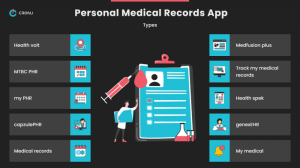
Health records play a crucial role in the healthcare industry, as they contain essential information about an individual’s medical history, treatments, prescriptions, and test results. These records help healthcare providers make informed decisions about patient care and treatment plans.
Handling and Securing Health Records
Health insurance companies are responsible for handling and securing vast amounts of sensitive health data. They must adhere to strict privacy regulations, such as the Health Insurance Portability and Accountability Act (HIPAA), to protect patient confidentiality. Insurance companies invest in secure systems and protocols to safeguard health records from unauthorized access and cyber threats.
Role of Technology in Maintaining Health Records
Advancements in technology have transformed the way health records are maintained and accessed. Electronic Health Records (EHRs) have streamlined the process of storing and retrieving patient information, making it easier for insurance companies to track claims, process payments, and communicate with healthcare providers. Technology also enables secure sharing of health records among authorized parties, improving coordination of care.
Potential Benefits and Challenges of Electronic Health Records
Electronic Health Records offer numerous benefits for insurance companies, including improved efficiency, accuracy, and cost savings. EHRs allow for better coordination of care, reduced paperwork, and quicker access to patient information. However, challenges such as data breaches, interoperability issues, and upfront costs of implementing EHR systems can pose significant obstacles for insurance companies. It is essential for companies to address these challenges proactively to maximize the benefits of electronic health records.
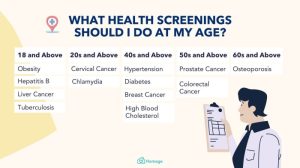
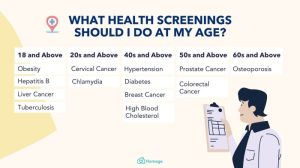
Health Screening
Regular health screenings play a crucial role in preventive healthcare by detecting potential health issues early on, allowing for timely intervention and treatment to prevent the progression of diseases.
Types of Health Screenings Covered by Health Insurance
- Basic screenings such as blood pressure, cholesterol, and blood sugar tests
- Cancer screenings including mammograms, colonoscopies, and Pap smears
- Screenings for chronic conditions like diabetes and heart disease
- Preventive services like vaccinations and screenings for mental health disorders
Impact of Health Screening on Early Disease Detection and Treatment
Regular health screenings enable healthcare providers to detect diseases in their early stages when they are more easily treatable, leading to better health outcomes and potentially saving lives. Early detection through screenings can significantly reduce the burden of chronic diseases and improve quality of life.
Contribution of Health Screening Programs to Healthcare Cost Management
Health screening programs contribute to overall healthcare cost management by preventing the progression of diseases to more advanced stages, which require costly treatments. Early detection and intervention through screenings can help reduce the need for expensive medical procedures and hospitalizations, ultimately lowering healthcare costs for both individuals and the healthcare system as a whole.
In conclusion, Top Health Insurance Companies provides a comprehensive look at the key players in the industry, shedding light on their offerings and unique features. As we navigate the complex landscape of healthcare, understanding the top companies is crucial for making informed decisions about our health coverage.
Popular Questions
What factors should I consider when choosing a health insurance company?
When selecting a health insurance company, it’s essential to evaluate coverage options, customer satisfaction ratings, and any unique features that cater to your specific healthcare needs.
How do health insurance companies manage and reduce healthcare costs?
Health insurance companies employ various strategies such as negotiating with healthcare providers, implementing cost-effective practices, and promoting preventive care to manage and reduce healthcare costs.
What impact do provider networks have on the quality of healthcare services?
Provider networks play a significant role in determining access to healthcare services and can influence the quality, coordination, and efficiency of care provided by health insurance companies.