Embark on a journey through the realm of Online Healthcare Providers (Telemedicine), where cutting-edge technology meets compassionate care, reshaping the landscape of healthcare services for a digital age.
Explore how telemedicine bridges the gap between patients and healthcare providers, offering a new dimension of convenience and accessibility in the modern era of medicine.
Online Healthcare Providers (Telemedicine)
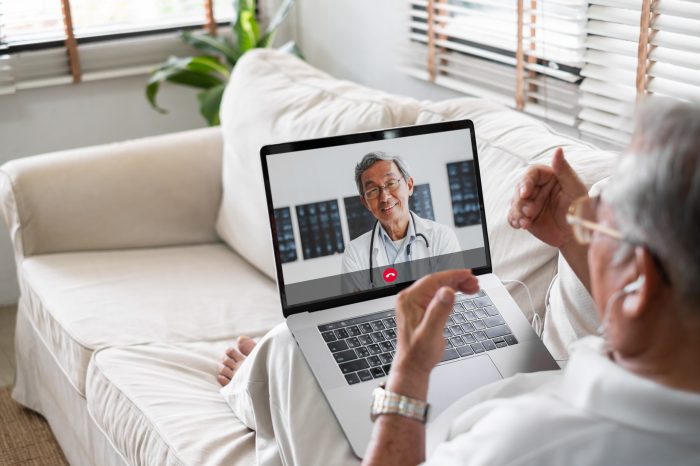
Telemedicine is a revolutionary concept in the healthcare industry that allows patients to receive medical services remotely through digital communication technologies. Online healthcare providers utilize platforms such as video calls, phone consultations, and secure messaging to connect with patients and offer diagnosis, treatment, and medical advice without the need for in-person visits.
Benefits of Telemedicine
- Convenience: Patients can access healthcare services from the comfort of their homes, eliminating the need to travel to a physical clinic.
- Accessibility: Telemedicine expands access to healthcare for individuals in remote or underserved areas who may have difficulty reaching traditional healthcare facilities.
- Cost-Effective: Online consultations can be more affordable than in-person visits, reducing healthcare costs for both patients and providers.
- Time-Saving: Telemedicine eliminates the need for long wait times in crowded waiting rooms, allowing patients to receive timely care.
- Continuity of Care: Patients can follow up with healthcare providers more easily and regularly, leading to better management of chronic conditions.
Healthcare Access
Online healthcare providers play a crucial role in improving access to medical services, especially in remote or underserved areas. Telemedicine has emerged as a solution to bridge the gap between patients and healthcare professionals, offering convenient and efficient ways to receive care.
Reaching Underserved Populations
Telemedicine has revolutionized healthcare access by reaching underserved populations that may have limited resources or face geographical barriers. By providing virtual consultations and remote monitoring, online healthcare providers ensure that individuals in rural or isolated areas can receive timely medical attention without the need to travel long distances.
- Telemedicine allows patients in remote locations to connect with healthcare providers in urban centers, expanding their access to specialized care.
- Virtual appointments eliminate the need for transportation and time off work, making healthcare more accessible to those with limited mobility or financial constraints.
- By offering telehealth services in multiple languages and providing culturally sensitive care, online providers cater to diverse populations and address healthcare disparities.
Reducing Barriers to Healthcare Access
The impact of telemedicine on reducing barriers to healthcare access is significant, as it addresses various challenges that hinder individuals from seeking medical help. By leveraging technology and innovation, online healthcare providers empower patients to overcome obstacles and receive the care they need promptly.
- Telemedicine eliminates long wait times for appointments, allowing patients to access healthcare services quickly and efficiently.
- Remote monitoring and teleconsultations enable early detection of health issues, leading to timely interventions and improved health outcomes.
- Virtual care offers a convenient and cost-effective alternative to traditional in-person visits, making healthcare more accessible and affordable for patients.
Healthcare Costs

When it comes to healthcare costs, utilizing online healthcare providers, also known as telemedicine, can offer potential savings for patients. Let’s take a closer look at how telemedicine compares to traditional in-person healthcare visits in terms of expenses and how it can help lower overall healthcare costs.
Cost Savings with Telemedicine
Telemedicine consultations often come at a lower cost compared to in-person visits to healthcare facilities. This is mainly due to the reduced overhead expenses associated with operating physical clinics. Patients can save money on transportation costs, parking fees, and potential childcare expenses when opting for telemedicine appointments from the comfort of their own homes.
Healthcare Providers
Telemedicine allows various types of healthcare professionals to provide services online, ensuring access to medical care regardless of geographical barriers. Let’s explore the qualifications, certifications, challenges, and opportunities for healthcare providers in transitioning to online platforms.
Types of Healthcare Professionals for Telemedicine
- Physicians: Medical doctors who diagnose and treat patients through virtual consultations.
- Nurse Practitioners: Advanced practice nurses who can provide primary and specialty care services remotely.
- Psychiatrists: Mental health professionals offering therapy and medication management via telemedicine.
- Therapists: Physical therapists, occupational therapists, and speech-language pathologists providing remote rehabilitation services.
Qualifications and Certifications
Healthcare providers offering telemedicine services must meet certain qualifications and certifications to ensure quality care delivery:
- Valid medical license in the state where the patient is located.
- Board certification in their respective specialty.
- Training in telemedicine technology and protocols.
- Compliance with state and federal telehealth regulations.
Challenges and Opportunities
Transitioning to online platforms presents both challenges and opportunities for healthcare providers:
- Challenges:
- Ensuring data security and patient privacy in virtual consultations.
- Adapting to new technology and workflows for telemedicine practice.
- Addressing limitations in conducting physical exams and diagnostic tests remotely.
- Opportunities:
- Expanding patient reach and access to care, especially in underserved areas.
- Reducing healthcare costs for both providers and patients through remote consultations.
- Enhancing collaboration among healthcare teams through telemedicine platforms.
Health Insurance
Health insurance coverage for telemedicine consultations typically works in a similar way to traditional in-person visits. Patients may have to pay a copay or coinsurance for the telemedicine consultation, depending on their specific insurance plan.
Acceptance by Insurance Companies
Insurance companies have increasingly recognized the value of telemedicine in providing convenient and cost-effective healthcare services. Many insurance companies now cover telemedicine consultations, making it more accessible to patients. However, coverage policies can vary, so it’s essential for patients to check with their insurance provider to understand their specific benefits.
Reimbursement Issues
One potential issue with telemedicine and health insurance is reimbursement. Some insurance companies may have restrictions on which telemedicine services they will reimburse, leading to potential out-of-pocket costs for patients. Additionally, healthcare providers may face challenges in receiving fair reimbursement for their telemedicine services, impacting their willingness to offer these services.
Impact on Premiums and Coverage Options
The adoption of telemedicine has the potential to impact health insurance premiums and coverage options. By providing a cost-effective alternative to in-person visits, telemedicine can help reduce overall healthcare costs. This could potentially lead to more affordable insurance premiums for patients. Additionally, telemedicine may expand coverage options for individuals who previously faced barriers to accessing healthcare services.
Health Policies
The regulatory landscape for telemedicine services is constantly evolving to keep up with advancements in technology and changes in healthcare delivery. Healthcare policies play a crucial role in shaping the adoption and expansion of telemedicine, influencing how these services are reimbursed, regulated, and integrated into existing healthcare systems. Implementing consistent health policies across different regions can be challenging due to varying legal frameworks, cultural differences, and resource availability for online healthcare providers.
Current Regulatory Landscape
In the United States, for example, the Centers for Medicare and Medicaid Services (CMS) have expanded reimbursement for telehealth services, allowing more healthcare providers to offer virtual care to patients. However, state regulations on telemedicine vary widely, creating a patchwork of rules that can be confusing for providers and patients alike. Other countries have also been updating their health policies to accommodate telemedicine, but the pace and extent of these changes differ significantly.
Impact of Healthcare Policies
Healthcare policies can either facilitate or hinder the adoption of telemedicine. Positive policies that support telehealth can lead to increased access to care, improved patient outcomes, and cost savings. Conversely, restrictive policies can limit the growth of telemedicine services, preventing patients from benefiting from remote consultations and monitoring. The alignment of policies with the goals of expanding access to healthcare and improving quality of care is essential for the successful integration of telemedicine into healthcare systems.
Challenges of Implementation
One of the main challenges in implementing consistent health policies for online healthcare providers is the need to address legal and regulatory differences across jurisdictions. Harmonizing rules and standards for telemedicine can be complex, requiring collaboration between government agencies, healthcare organizations, and technology companies. Differences in healthcare infrastructure, data privacy regulations, and reimbursement mechanisms can also pose obstacles to creating a unified framework for telemedicine services.
Despite these challenges, efforts to streamline health policies for telemedicine are essential to ensure equitable access to healthcare services and promote innovation in the delivery of care.
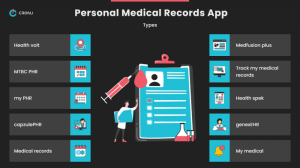
Health Records
Telemedicine platforms manage and store health records electronically, allowing healthcare providers to access patient information remotely.
Importance of Patient Privacy and Data Security
Maintaining patient privacy and data security is crucial in online healthcare services to ensure the confidentiality of sensitive medical information. Telemedicine platforms employ encryption and secure data storage protocols to safeguard patient data from unauthorized access.
- Implementing strict access controls and authentication measures to prevent data breaches.
- Regularly updating security protocols to address emerging cyber threats and vulnerabilities.
- Complying with healthcare regulations such as HIPAA to protect patient privacy and confidentiality.
- Training healthcare staff on data security best practices to minimize risks of data breaches.
Integration of Electronic Health Records (EHR) Systems
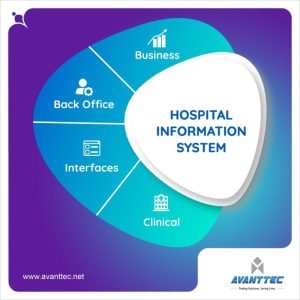
Telemedicine platforms integrate electronic health records (EHR) systems to streamline patient care and enhance communication between healthcare providers. EHR systems enable real-time access to patient records, medical history, and treatment plans, ensuring continuity of care in online consultations.
- Automating data transfer between telemedicine platforms and EHR systems to eliminate manual data entry errors.
- Enhancing care coordination by sharing up-to-date patient information among healthcare providers.
- Improving diagnostic accuracy and treatment decisions through comprehensive access to patient health records.
- Enhancing patient engagement and empowerment by allowing them to access their health records securely.
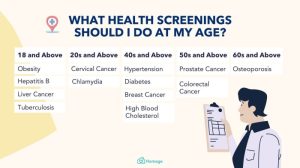
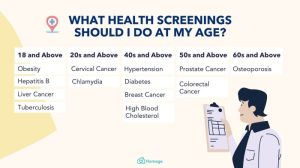
Health Screening
Online healthcare providers utilize various tools and technologies to conduct health screenings remotely, allowing patients to receive necessary evaluations and assessments without physically visiting a healthcare facility.
Effectiveness of Virtual Health Screenings
Virtual health screenings have proven to be highly effective in many cases, offering numerous benefits compared to traditional in-person appointments. Patients can easily access screenings from the comfort of their homes, saving time and reducing the need for travel. Moreover, virtual screenings are often more convenient, flexible, and cost-effective, making healthcare more accessible to a wider population.
Use of Technology in Health Screenings
Technology plays a crucial role in facilitating accurate health screenings through telemedicine platforms. Advanced software allows healthcare providers to remotely monitor vital signs, conduct video consultations, and analyze data in real-time. This enables the timely detection of health issues and the implementation of appropriate treatment plans, enhancing the overall quality of care provided to patients.
As we conclude our exploration of Online Healthcare Providers (Telemedicine), it’s evident that this innovative approach not only enhances patient experience and healthcare delivery but also heralds a new era of interconnected, efficient medical services that prioritize both quality and convenience.
Questions Often Asked
How secure are telemedicine platforms for sharing sensitive health information?
Telemedicine platforms adhere to strict privacy regulations and employ encryption protocols to ensure the confidentiality of patient data, making them secure channels for remote consultations.
Can all medical conditions be effectively treated through telemedicine services?
While many common health issues can be addressed via telemedicine, certain complex or emergency situations may require in-person medical attention for proper diagnosis and treatment.
Are telemedicine services covered by most health insurance plans?
Many health insurance providers now offer coverage for telemedicine consultations, but it’s advisable to check with your specific insurance plan to confirm the extent of coverage for online healthcare services.