Healthcare Providers for Seniors sets the stage for this enthralling narrative, offering readers a glimpse into a story that is rich in detail with casual formal language style and brimming with originality from the outset.
As we delve into the realm of healthcare for seniors, we uncover a world filled with challenges, financial considerations, and specialized care providers dedicated to enhancing the well-being of our elderly population.
Healthcare Access for Seniors
Seniors often face challenges when it comes to accessing healthcare services due to various factors such as mobility issues, limited financial resources, and lack of awareness about available healthcare options.
Importance of Proximity to Healthcare Facilities
Having healthcare facilities in close proximity is crucial for seniors as it allows for easier access to medical care in case of emergencies or regular check-ups. Seniors may have difficulty traveling long distances, so having healthcare services nearby ensures they can receive timely and convenient care.
Role of Transportation Services
Transportation services play a vital role in ensuring healthcare access for seniors who may have difficulty driving or using public transportation. Services like medical transportation vans or community shuttle programs help seniors get to medical appointments, pharmacies, and other healthcare facilities without relying on family members or friends for transportation.
Healthcare Costs for Seniors

As seniors age, healthcare costs can become a significant financial burden. From medical treatments to long-term care, the expenses can quickly add up, impacting their overall financial well-being.
In-Home Care vs. Nursing Home Care Costs
When it comes to choosing between in-home care and nursing home care for seniors, the costs can vary significantly. In-home care typically involves hiring a caregiver to assist with daily activities such as meal preparation, medication reminders, and personal care. On the other hand, nursing home care provides around-the-clock care in a facility setting.
- In-Home Care: The cost of in-home care can range from $20 to $30 per hour, depending on the level of care needed and the location. This option allows seniors to age in place and maintain their independence, but costs can increase if more hours of care are required.
- Nursing Home Care: Nursing home care is generally more expensive, with costs averaging around $8,000 to $10,000 per month for a semi-private room. While this option provides 24/7 care and access to medical professionals, it can be financially challenging for many seniors.
Strategies to Manage and Reduce Healthcare Expenses
Seniors can take proactive steps to manage and reduce their healthcare expenses, helping alleviate some of the financial strain they may face. Here are some strategies to consider:
- Utilize Medicare Benefits: Seniors should explore their Medicare coverage options and take advantage of preventive services and screenings that are covered at no additional cost.
- Consider Long-Term Care Insurance: Investing in long-term care insurance can help offset the costs of future nursing home care or in-home care services, providing financial peace of mind.
- Explore Community Resources: Many communities offer programs and services for seniors, such as meal delivery programs, transportation services, and senior centers, which can help reduce healthcare expenses.
- Stay Active and Healthy: By maintaining a healthy lifestyle through regular exercise, proper nutrition, and preventive healthcare, seniors can potentially reduce the need for costly medical treatments in the future.
Healthcare Providers for Seniors
When it comes to healthcare for seniors, there are specific types of healthcare providers who cater to their unique needs. These professionals play a crucial role in ensuring the well-being of elderly individuals.
Types of Healthcare Providers for Seniors
- Primary Care Physician: A primary care physician serves as the main point of contact for seniors, overseeing their overall health and coordinating any necessary specialist care.
- Geriatrician: Geriatricians are healthcare providers who specialize in the care of older adults, focusing on age-related health issues and complex medical conditions.
- Home Health Aides: These professionals provide in-home care and assistance with activities of daily living for seniors who may have difficulty with mobility or self-care.
- Physical Therapists: Physical therapists help seniors maintain or improve their physical function and mobility through targeted exercises and interventions.
Qualifications and Specialties of Geriatric Healthcare Professionals
Geriatric healthcare professionals, such as geriatricians, geriatric nurses, and geriatric social workers, undergo specialized training to address the unique healthcare needs of seniors. They are equipped to manage chronic conditions, cognitive impairments, and other age-related issues with a focus on quality of life and independence.
Benefits of Having a Primary Care Physician for Seniors
- Continuity of Care: Having a primary care physician ensures consistent and coordinated healthcare management, leading to better health outcomes.
- Preventive Care: Primary care physicians emphasize preventive screenings, vaccinations, and lifestyle interventions to help seniors maintain good health and prevent future health problems.
- Personalized Approach: A primary care physician develops a deep understanding of a senior’s medical history and preferences, allowing for personalized treatment plans tailored to their individual needs.
Health Insurance Options for Seniors
Health insurance is crucial for senior citizens as it helps cover the costs of medical treatments, medications, and other healthcare services that they may need as they age. Without proper health insurance, seniors may face financial hardships and limited access to necessary healthcare.
Medicare vs. Medicaid Coverage for Seniors
Medicare is a federal health insurance program primarily for individuals aged 65 and older, as well as certain younger individuals with disabilities. It consists of different parts that cover hospital care, medical services, and prescription drugs. On the other hand, Medicaid is a joint federal and state program that provides health coverage to low-income individuals, including seniors with limited financial resources.
While Medicare is available to most seniors, Medicaid eligibility is based on income and varies by state.
Supplemental Insurance Options for Seniors
Seniors who have Medicare coverage may choose to purchase supplemental insurance, also known as Medigap, to help pay for healthcare costs that Medicare does not cover, such as copayments, coinsurance, and deductibles. Another option for seniors with limited income is Medicaid Buy-In, which allows individuals to pay a premium to receive additional coverage beyond what traditional Medicaid offers.
Health Policies Affecting Seniors
In the realm of healthcare for seniors, various policies play a crucial role in determining the quality of care they receive. These policies can have a significant impact on the well-being and health outcomes of older adults.
Government Healthcare Programs for Seniors
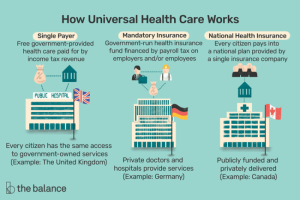
Government healthcare programs such as Medicare and Medicaid are essential in supporting senior citizens in accessing necessary medical services. Medicare, specifically designed for individuals aged 65 and older, provides coverage for hospital stays, doctor visits, prescription drugs, and preventive services. On the other hand, Medicaid helps low-income seniors afford healthcare services that may not be covered by Medicare. These programs are lifelines for many seniors, ensuring they receive the care they need to maintain their health and well-being.
Role of Advocacy Groups in Healthcare Policies for Seniors
Advocacy groups dedicated to the well-being of seniors play a crucial role in influencing healthcare policies that directly impact older adults. These organizations work tirelessly to advocate for the rights and needs of seniors, pushing for improved access to affordable healthcare, better coverage options, and enhanced quality of care. By leveraging their collective voice and expertise, advocacy groups help shape policies that prioritize the health and well-being of seniors, ensuring they receive the necessary support and resources to lead healthy and fulfilling lives.
Health Records Management for Seniors
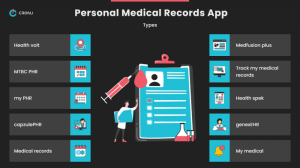
Electronic health records play a crucial role in the healthcare of senior patients, providing a centralized and comprehensive overview of their medical history, treatments, and ongoing care. This digital format allows for easy accessibility by healthcare providers, ensuring timely and accurate treatment.
Significance of Electronic Health Records
- Facilitate Coordination of Care: Electronic health records enable seamless communication between different healthcare providers involved in the senior’s care, reducing the risk of errors and improving treatment outcomes.
- Enhance Patient Safety: By maintaining up-to-date health records, seniors can avoid medication errors, allergic reactions, and unnecessary duplicate tests, leading to better overall safety and quality of care.
- Support Preventive Care: Health records help in tracking preventive screenings, vaccinations, and health maintenance activities, ensuring that seniors receive timely interventions and follow-ups to prevent chronic conditions.
Importance of Maintaining Accurate Health Records
- Track Medical History: Accurate health records provide a detailed account of past illnesses, surgeries, medications, and treatments, helping healthcare providers make informed decisions about current care plans.
- Enable Emergency Care: During emergencies, quick access to health records can be life-saving, especially in situations where the senior may not be able to communicate their medical history effectively.
- Support Chronic Disease Management: For seniors with chronic conditions, maintaining accurate health records is essential for monitoring disease progression, adjusting treatment plans, and ensuring continuity of care.
Tips for Seniors on Organizing and Managing Health Records
- Keep a Health Journal: Maintain a notebook or digital document to record important health information, including medications, allergies, surgeries, and doctor’s appointments.
- Use Online Portals: Many healthcare providers offer online portals where seniors can access their electronic health records, schedule appointments, and communicate with their healthcare team.
- Create a Medical Binder: Organize important documents such as lab results, imaging reports, and insurance information in a designated binder for easy reference during medical visits.
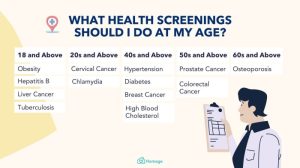
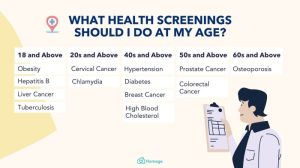
Health Screening for Seniors
Regular health screenings are crucial for seniors to detect age-related conditions early on and ensure timely intervention. These screenings can help in maintaining good health and quality of life in the senior years.
Recommended Health Screenings for Seniors
- Blood Pressure: Regular blood pressure checks are important to monitor for hypertension, which can increase the risk of heart disease and stroke.
- Cholesterol Levels: Screening for cholesterol levels helps in assessing the risk of heart disease and stroke.
- Bone Density: Bone density tests are essential to detect osteoporosis, which can lead to fractures and mobility issues in seniors.
- Colorectal Cancer Screening: Screening for colorectal cancer is recommended for seniors to detect any abnormalities in the colon early on.
- Diabetes Screening: Regular screening for diabetes is important to monitor blood sugar levels and prevent complications associated with the disease.
Benefits of Preventive Health Screenings for Senior Citizens
- Early Detection: Health screenings can help in early detection of potential health issues, allowing for timely treatment and management.
- Preventive Care: Regular screenings can help in preventing serious health conditions by addressing risk factors early on.
- Improved Quality of Life: By staying proactive with health screenings, seniors can maintain a better quality of life and overall well-being.
- Cost-Effective: Preventive screenings are usually more cost-effective than treating advanced health conditions, reducing healthcare costs in the long run.
Regular Health Check-ups and Screenings to Maintain Senior Health
Seniors should schedule regular health check-ups with their healthcare providers to stay on top of their health. These check-ups should include screenings based on age, gender, and medical history to ensure comprehensive care and early detection of any health issues.
In conclusion, Healthcare Providers for Seniors play a crucial role in ensuring access to quality healthcare, managing costs effectively, and promoting overall wellness for the elderly. This comprehensive guide sheds light on the intricacies of healthcare provision for seniors, emphasizing the importance of tailored services and proactive health management.
User Queries
What are the different types of healthcare providers for seniors?
Healthcare providers for seniors include geriatricians, home health aides, hospice care providers, and specialized nursing facilities.
How can seniors manage and reduce healthcare expenses effectively?
Seniors can manage healthcare costs by exploring Medicare coverage options, utilizing preventive services, seeking financial assistance programs, and considering long-term care insurance.