Healthcare Costs vs Quality of Care sets the stage for this enthralling narrative, offering readers a glimpse into a story that is rich in detail and brimming with originality from the outset. The intricate relationship between costs and quality in healthcare is a complex web that impacts all aspects of medical treatment and patient outcomes.
As we delve deeper into the dynamics of healthcare access, costs, providers, insurance, policies, health records, and screenings, a clearer picture emerges of the challenges and innovations shaping the healthcare landscape today.
Healthcare Access
Access to healthcare plays a crucial role in determining the quality of care individuals receive. Without adequate access, patients may face barriers that hinder their ability to receive timely and appropriate medical treatment. This can have significant implications for both their health outcomes and the overall cost of healthcare.
Barriers to Healthcare Access
- Lack of Health Insurance Coverage: Individuals without health insurance may delay seeking medical care or forego necessary treatments altogether due to financial constraints. This can result in more severe health conditions and higher healthcare costs in the long run.
- Geographic Barriers: Living in remote or underserved areas can limit access to healthcare facilities and medical professionals, making it difficult for individuals to receive timely care.
- Cultural and Language Barriers: Patients from diverse cultural backgrounds or those who do not speak the local language may face challenges in communicating with healthcare providers and understanding their medical needs.
- Transportation Issues: Lack of reliable transportation can prevent individuals from accessing healthcare services, particularly for those who require regular medical appointments or treatments.
Healthcare Costs
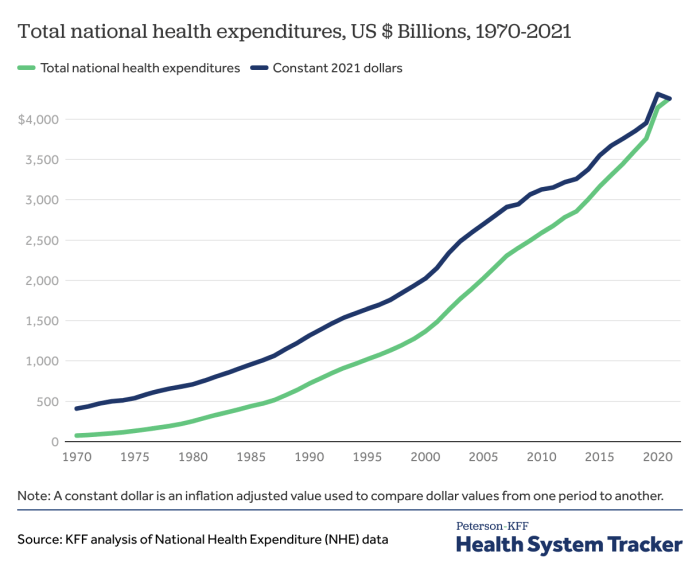
Healthcare costs play a crucial role in determining the quality of care individuals receive. The financial burden associated with medical expenses can impact the access to and the standard of healthcare services provided.
Impact of High Healthcare Costs on Different Demographic Groups
High healthcare costs can disproportionately affect various demographic groups, leading to disparities in access to quality care:
- Low-Income Individuals: High healthcare costs can pose significant barriers to low-income individuals, limiting their ability to seek necessary medical treatment and preventive care.
- Elderly Population: Senior citizens often require frequent medical attention, and high healthcare costs can strain their limited fixed incomes, resulting in compromised care.
- Minority Communities: Minority groups may face additional challenges in accessing affordable healthcare due to systemic inequalities, exacerbating health disparities.
Strategies to Reduce Healthcare Costs Without Compromising Quality of Care
Efforts to lower healthcare costs while maintaining quality care are essential for a sustainable healthcare system:
- Preventive Care Emphasis: Prioritizing preventive care can help reduce the need for expensive treatments by addressing health issues early on.
- Healthcare Technology Integration: Adopting innovative technologies can streamline processes, minimize administrative costs, and enhance patient outcomes.
- Value-Based Care Models: Shifting towards value-based care models focuses on improving patient outcomes and experiences, ultimately reducing unnecessary expenses.
Healthcare Providers
The role of healthcare providers is crucial in balancing costs and quality of care. They are responsible for delivering medical services to patients while considering the financial implications and ensuring high standards of care.
Shortage of Healthcare Providers Impact
The shortage of healthcare providers can have a significant impact on healthcare costs and quality of care. When there are not enough providers to meet the demand for services, patients may face longer wait times, reduced access to care, and potentially lower quality of services due to overworked staff. This can result in increased costs as patients seek care in emergency settings or experience complications from delayed treatment.
Innovative Practices by Healthcare Providers
Healthcare providers have been implementing innovative practices to improve cost-effectiveness and quality of care. One example is the use of telemedicine, which allows patients to receive medical consultations and follow-ups remotely, reducing the need for in-person visits and potentially lowering costs. Another example is value-based care, where providers are incentivized to deliver high-quality care efficiently, focusing on outcomes rather than volume of services.
These approaches aim to enhance patient outcomes while controlling costs, ultimately leading to a more sustainable healthcare system.
Health Insurance
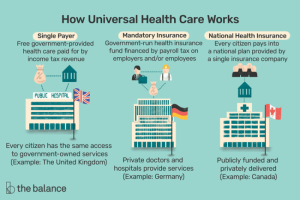
Health insurance plays a crucial role in managing healthcare costs and ensuring access to quality care for individuals. It serves as a financial safety net by covering a portion of medical expenses, allowing individuals to seek necessary treatment without the burden of exorbitant costs.
Types of Health Insurance Plans
Different types of health insurance plans, such as HMOs, PPOs, and high-deductible plans, can significantly influence access to quality care. HMOs typically require individuals to choose a primary care physician and obtain referrals for specialists, which can impact the speed and ease of accessing specialized care. On the other hand, PPOs offer more flexibility in choosing healthcare providers but may come with higher out-of-pocket costs.
High-deductible plans, while generally more affordable in terms of monthly premiums, can lead to individuals delaying or forgoing necessary medical care due to high upfront costs.
Challenges in Accessing Quality Care
Despite the benefits of health insurance, individuals may still face challenges in accessing quality care due to limitations in coverage. Some insurance plans may have narrow networks that restrict the choice of healthcare providers, leading to longer wait times or difficulty finding specialists. Additionally, high deductibles, copayments, and coinsurance can pose financial barriers to seeking timely and appropriate medical treatment, resulting in compromised quality of care.
Health Policies
Healthcare policies play a crucial role in shaping the balance between costs and quality of care in the healthcare system. These policies are implemented to regulate various aspects of healthcare delivery, including costs, access, and quality of care.
Impact of Healthcare Policies
Healthcare policies can have a significant impact on the balance between costs and quality of care. For example, policies that focus on cost containment measures may inadvertently affect the quality of care provided to patients. On the other hand, policies that prioritize quality improvement initiatives may lead to increased healthcare costs.
Recent Policy Changes
Recent policy changes have been implemented to address the challenges of rising healthcare costs while maintaining quality care standards. For instance, the Affordable Care Act (ACA) introduced various provisions aimed at improving access to care and quality of care while also attempting to control costs. However, the impact of these policy changes on the overall balance between costs and quality of care is still being evaluated.
Role of Policymakers
Policymakers play a critical role in addressing the challenges posed by rising healthcare costs while ensuring that quality care standards are maintained. They are responsible for creating and implementing policies that strike a balance between cost containment and quality improvement. Policymakers must consider the needs of patients, healthcare providers, and other stakeholders when developing healthcare policies.
Health Records
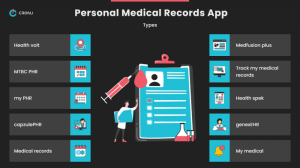
Health records play a crucial role in managing healthcare costs and improving the quality of care provided to patients. These records contain valuable information about a patient’s medical history, diagnoses, treatments, medications, and outcomes. By having access to comprehensive health records, healthcare providers can make more informed decisions, avoid unnecessary tests or treatments, and coordinate care more effectively.
Impact of Electronic Health Records
Electronic health records (EHRs) have revolutionized the healthcare industry by streamlining the way patient information is collected, stored, and shared. With EHRs, healthcare providers can access patient records instantly, reducing the risk of errors and duplication of tests. This efficiency not only saves time but also lowers healthcare costs by eliminating the need for paper-based records and manual data entry.
Benefits of Accurate Health Records
Improved Diagnosis
Accurate health records provide a comprehensive overview of a patient’s medical history, enabling healthcare providers to make more accurate diagnoses and create personalized treatment plans.
Enhanced Coordination
Healthcare teams can collaborate more effectively when accurate health records are shared electronically, leading to better coordination of care and reduced medical errors.
Cost Savings
By avoiding redundant tests and treatments, accurate health records help in reducing healthcare costs for both patients and providers.
Informed Decision-Making
Healthcare providers can make better decisions regarding a patient’s care when they have access to up-to-date and accurate health records, ultimately improving the quality of care delivered.
Health Screening
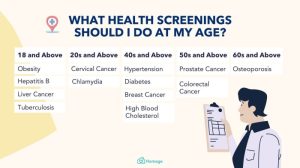
Regular health screenings play a crucial role in preventive care by detecting potential health issues early on, leading to better health outcomes and reducing healthcare costs in the long run.
Importance of Health Screening
- Health screenings help in the early detection of diseases such as cancer, diabetes, and hypertension, allowing for timely intervention and treatment.
- By identifying risk factors and health conditions at an early stage, individuals can make lifestyle changes to prevent the progression of diseases, ultimately reducing the need for expensive medical interventions.
- Preventive screenings can also help in promoting overall health and well-being, leading to a healthier population and decreased burden on the healthcare system.
Barriers to Health Screening
- Lack of awareness about the importance of health screenings and preventive care can prevent individuals from seeking regular screenings.
- Financial constraints and limited access to healthcare facilities can also act as barriers, especially for vulnerable populations with lower socioeconomic status.
- Cultural beliefs, language barriers, and fear of the screening process can further deter individuals from undergoing necessary health screenings.
In conclusion, the intricate dance between healthcare costs and quality of care is a delicate balance that requires constant attention and innovation. By addressing barriers to access, finding cost-effective solutions, and leveraging the latest in healthcare technology, we can strive towards a future where quality care is accessible to all, regardless of economic considerations.
Query Resolution
How do healthcare costs impact the quality of care provided?
High healthcare costs can lead to reduced access to quality care, as individuals may forego necessary treatments due to financial constraints.
What strategies can be employed to reduce healthcare costs without compromising quality of care?
Implementing preventive care measures, promoting healthy lifestyles, and streamlining administrative processes can help reduce costs while maintaining quality care standards.
How do health policies influence the balance between healthcare costs and quality of care?
Healthcare policies play a crucial role in shaping the cost and quality of care landscape by regulating insurance coverage, provider reimbursements, and treatment protocols.