Starting with Health Policies for Universal Healthcare, this introductory paragraph aims to provide an engaging overview of the importance and impact of various policies in ensuring quality healthcare for all individuals globally. From addressing access barriers to controlling costs, this topic delves into the intricate details of healthcare systems and their implications on society.
Moving on to explore the different aspects of healthcare policies, this discussion will shed light on the challenges faced by healthcare providers, the role of insurance, the significance of health records, and the ethical considerations surrounding health screening programs.
Healthcare Access
Universal healthcare plays a crucial role in ensuring that all individuals have access to necessary medical services without financial hardship. By implementing policies that provide coverage for all citizens, countries can work towards reducing disparities in healthcare access and improving overall public health outcomes.
Barriers to Healthcare Access
- Lack of health insurance coverage: In many parts of the world, individuals without insurance face significant barriers to accessing healthcare services due to high costs.
- Geographic barriers: Rural or remote areas often lack healthcare facilities, making it difficult for residents to access timely medical care.
- Cultural and language barriers: Minority populations may face challenges in accessing healthcare services due to language barriers or cultural differences.
Government Policies and Healthcare Access
- Expansion of Medicaid: Government initiatives to expand Medicaid coverage have been successful in increasing access to healthcare for low-income populations in the United States.
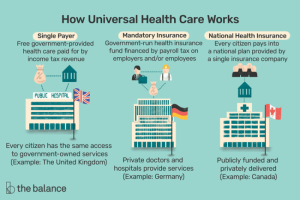
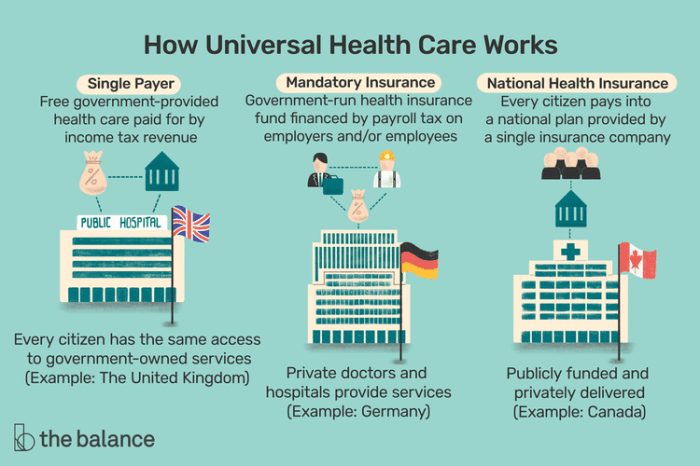
- National Health Insurance: Countries like Canada and the United Kingdom have implemented national health insurance systems to ensure universal access to healthcare services for all citizens.
- Community Health Centers: Government funding for community health centers has helped improve access to primary care services for underserved populations in many countries.
Healthcare Costs
In the realm of healthcare, costs play a crucial role in determining accessibility and quality of services. Universal healthcare policies can significantly impact the overall costs of healthcare for individuals and society as a whole. By pooling resources and spreading the financial burden across the entire population, universal healthcare systems aim to lower costs and ensure that everyone has access to essential medical services without facing financial hardship.
Cost-Effectiveness of Universal Healthcare Systems vs Privatized Healthcare Systems
Universal healthcare systems are often deemed more cost-effective compared to privatized systems. In universal healthcare, administrative costs are generally lower due to streamlined processes and centralized management. Additionally, bulk purchasing power allows for negotiation of lower prices for medications, equipment, and services. Preventative care and early intervention are also emphasized, reducing the need for expensive treatments down the line. On the other hand, privatized healthcare systems may lead to higher costs as profit motives can drive up prices and administrative expenses.
Factors Contributing to Rising Healthcare Costs and Policy Solutions
Several factors contribute to the rising costs of healthcare, including technological advancements, an aging population, chronic diseases, and administrative complexities. Policies can address these issues by promoting preventive care, implementing cost-containment measures, increasing transparency in pricing, negotiating drug prices, and investing in healthcare workforce development. By tackling these factors strategically, policymakers can work towards ensuring sustainable and affordable healthcare for all.
Healthcare Providers
In a universal healthcare system, various types of healthcare providers play crucial roles in delivering quality care to patients. These providers include physicians, nurses, pharmacists, allied health professionals, and other support staff.
Types of Healthcare Providers
- Physicians: Medical doctors who diagnose and treat illnesses, prescribe medication, and perform medical procedures.
- Nurses: Registered nurses, nurse practitioners, and other nursing staff who provide direct patient care, administer medications, and educate patients.
- Pharmacists: Healthcare professionals who dispense medications, provide medication counseling, and ensure safe medication use.
- Allied Health Professionals: Includes physical therapists, occupational therapists, dietitians, and other specialists who support patient care and rehabilitation.
- Support Staff: Administrative personnel, medical assistants, and technicians who assist in the day-to-day operations of healthcare facilities.
Challenges Faced by Healthcare Providers
- Heavy Workloads: Healthcare providers in a universal healthcare system often face high patient volumes and long hours, leading to burnout and decreased job satisfaction.
- Resource Constraints: Limited resources such as medical equipment, supplies, and staffing can impact the quality of care provided by healthcare professionals.
- Regulatory Pressures: Healthcare providers must adhere to strict regulations and documentation requirements, which can be time-consuming and detract from patient care.
- Continuing Education: Keeping up with advancements in healthcare technology and treatments requires ongoing training and professional development, adding to the workload of healthcare providers.
Training and Retaining Healthcare Professionals
Ensuring quality care under universal healthcare relies on the training and retention of skilled healthcare professionals. Investing in continuing education, mentorship programs, and career development opportunities can help retain talented individuals in the healthcare workforce.
Health Insurance

Health insurance plays a crucial role in universal healthcare coverage by providing financial protection to individuals against high healthcare costs. It helps ensure that everyone has access to necessary medical services without facing financial hardship.
Various Health Insurance Models
- Single-Payer System: In this model, the government is the sole provider of health insurance, covering all residents with a single, government-run program. Examples include the National Health Service (NHS) in the United Kingdom.
- Multi-Payer System: This model involves multiple insurance providers, both public and private, offering coverage to the population. Countries like Germany and Switzerland utilize this system.
- Hybrid System: Some countries, such as Australia and the Netherlands, combine elements of both single-payer and multi-payer systems to create a hybrid model.
Impact of Health Insurance Policies
Health insurance policies have a significant impact on population health outcomes. By providing coverage for preventive services, early diagnosis, and timely treatment, health insurance helps improve overall health and well-being. It reduces disparities in access to care, leading to better health outcomes for the entire population. Additionally, having health insurance encourages individuals to seek medical attention when needed, promoting a healthier society overall.
Health Policies
Health policies play a crucial role in the successful implementation of universal healthcare systems. These policies are designed to ensure that all individuals have access to quality healthcare services without facing financial barriers. Let’s explore the key health policies that are essential for the effective functioning of universal healthcare.
Addressing Disparities in Healthcare Access and Outcomes
Health policies play a vital role in addressing disparities in healthcare access and outcomes among different populations. By implementing policies that focus on reducing barriers to healthcare, improving healthcare infrastructure in underserved areas, and promoting preventive care services, governments can work towards achieving more equitable healthcare outcomes for all individuals.
Political and Economic Factors Influencing Health Policies
Political and economic factors have a significant impact on the development of health policies for universal healthcare. Political ideologies, public opinion, budget constraints, and lobbying from healthcare stakeholders all influence the decision-making process when it comes to designing and implementing health policies. It is essential for policymakers to balance these factors to ensure that health policies are effective, sustainable, and able to meet the diverse healthcare needs of the population.
Health Records
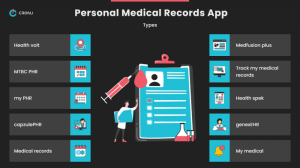
Electronic health records play a crucial role in a universal healthcare system by providing a centralized database of patient information that can be accessed by healthcare providers across different settings. This digital format allows for efficient sharing of medical history, treatment plans, test results, and other essential data to ensure coordinated care and improved patient outcomes.
Importance of Electronic Health Records
- Facilitate seamless communication and collaboration among healthcare providers.
- Reduce medical errors and duplication of tests by providing a comprehensive overview of a patient’s health history.
- Enhance patient safety and quality of care by enabling quick access to critical information in emergency situations.
Challenges and Benefits of Comprehensive Health Records
- Challenges:
- Ensuring data security and patient privacy in the digital age.
- Managing the interoperability of different electronic health record systems.
- Addressing concerns about data accuracy and reliability.
- Benefits:
- Improved care coordination and continuity across healthcare settings.
- Enhanced patient engagement through access to personal health information.
- Support for evidence-based practices and population health management.
Role of Health Records in Universal Healthcare
- Enable healthcare providers to make informed decisions based on a complete medical history.
- Promote preventive care and early intervention through proactive monitoring of health indicators.
- Support research and public health initiatives by aggregating anonymized data for analysis.
Health Screening
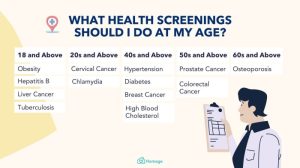
Health screening programs play a crucial role in preventive healthcare under a universal healthcare system. These programs aim to detect diseases or conditions early, allowing for timely intervention and treatment to improve health outcomes and reduce healthcare costs.
Successful Health Screening Initiatives
- In the United Kingdom, the NHS offers cervical cancer screening to women aged 25-64, leading to a significant reduction in cervical cancer cases.
- In Japan, mandatory health check-ups for employees have helped in early detection of conditions like high blood pressure and diabetes, leading to better management of these conditions.
- In Australia, the National Bowel Cancer Screening Program has increased early detection of bowel cancer, resulting in improved survival rates.
Ethical Considerations and Privacy Concerns
Health screening in universal healthcare raises ethical considerations regarding consent, potential stigmatization, and the balance between individual privacy and public health benefits. It is crucial to ensure that screening programs are voluntary, provide accurate information, and respect individuals’ autonomy and confidentiality. Privacy concerns include the storage and sharing of sensitive health data, requiring robust measures to safeguard personal information while still allowing for effective screening practices.
In conclusion, Health Policies for Universal Healthcare play a crucial role in shaping the quality and accessibility of healthcare services worldwide. By understanding the key policies and their impact on different aspects of healthcare, we can strive towards achieving a more equitable and efficient healthcare system for all.
User Queries
What are some common barriers to healthcare access in different regions?
Barriers to healthcare access can include financial constraints, lack of healthcare infrastructure, geographical remoteness, and cultural beliefs.
How do health policies address disparities in healthcare access and outcomes?
Health policies can address disparities by implementing measures such as increasing funding for underserved areas, promoting health education, and improving access to preventive care services.
What role do health records play in a universal healthcare system?
Health records are essential for maintaining patient information, tracking medical history, coordinating care among healthcare providers, and ensuring accurate and timely treatment.