Embark on a journey delving into the realm of Health Records for Patients, exploring how they impact various aspects of healthcare with a focus on accessibility, cost reduction, provider communication, insurance processes, policy development, and health screenings.
Discover the intricate web of information that patient health records hold and the critical role they play in shaping the healthcare landscape.
Healthcare Access
Easy access to health records is crucial for patients as it allows them to stay informed about their medical history, test results, medications, and treatment plans. This accessibility empowers patients to actively participate in their healthcare decisions and communicate effectively with their healthcare providers.
Importance of Electronic Health Records
Electronic health records (EHRs) have revolutionized the way healthcare information is stored and accessed. EHRs enable healthcare providers to securely share patient information across different healthcare settings, ensuring continuity of care and reducing the risk of errors. Patients benefit from EHRs by having their health records available at their fingertips, eliminating the need for paper-based records that can be easily misplaced or lost.
Benefits of Online Access to Health Records
- Convenience: Patients can access their health records anytime, anywhere, using a computer or mobile device.
- Empowerment: Online access allows patients to review their information, track their progress, and take an active role in managing their health.
- Engagement: Patients can easily share their health records with other healthcare providers, promoting better coordination of care and improved outcomes.
- Transparency: Online access promotes transparency in healthcare by allowing patients to verify the accuracy of their records and understand their diagnoses and treatment plans.
Healthcare Costs
Accurate health records play a crucial role in reducing healthcare costs by ensuring that patients receive appropriate and timely care, ultimately preventing unnecessary medical expenses.
Preventing Unnecessary Medical Tests and Treatments
Health records help healthcare providers make informed decisions about a patient’s treatment plan based on their medical history, current health status, and previous test results. By having access to comprehensive and up-to-date health records, providers can avoid ordering duplicate tests or unnecessary treatments, thus saving both time and money for the patient.
Transparent Health Records for Cost-Effective Care
Transparent health records enable patients to actively participate in their healthcare decisions by understanding the rationale behind each test, treatment, or medication prescribed. This transparency fosters a collaborative relationship between patients and providers, leading to more cost-effective care as patients are empowered to ask questions, seek second opinions, and explore alternative treatment options that may be more affordable without compromising quality of care.
Healthcare Providers
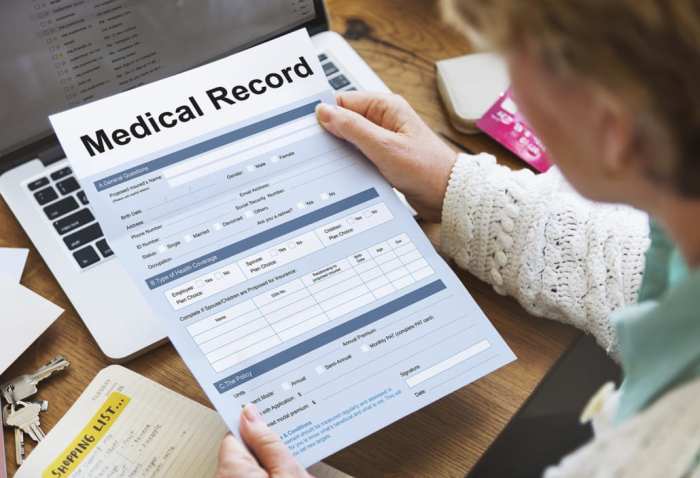
Health records play a crucial role in facilitating communication between healthcare providers. By having access to a patient’s comprehensive medical history, providers can collaborate more effectively in delivering quality care.
Facilitation of Communication
- Health records provide a centralized location for all relevant patient information, including diagnoses, medications, allergies, and test results.
- With up-to-date health records, different healthcare providers involved in a patient’s care can easily share vital information, leading to more coordinated and efficient treatment plans.
- Through secure electronic health record systems, providers can communicate in real-time, ensuring timely updates and interventions for the patient’s well-being.
Significance of Updated Records
- Updated health records are essential in providing comprehensive care as they offer a complete overview of a patient’s health status and medical needs.
- By regularly updating health records with the latest information, healthcare providers can make well-informed decisions and adjustments to treatment plans based on the most current data available.
- Having accurate and updated health records can prevent medical errors, duplication of tests, and ensure that patients receive the most appropriate care tailored to their individual needs.
Informed Decision Making
- Health records help healthcare providers make informed decisions about patient treatment by providing insights into past medical history, ongoing treatments, and response to interventions.
- Providers can review lab results, imaging studies, and progress notes to assess the effectiveness of current treatments and make adjustments as necessary for better patient outcomes.
- Access to detailed health records enables providers to consider all relevant factors, including pre-existing conditions and medication interactions, when determining the most suitable course of action for each patient.
Health Insurance
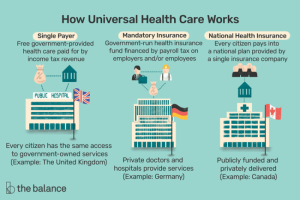
Health records play a crucial role in the health insurance process, impacting the claims, coverage, and benefits that patients receive. Accurate and detailed health records can lead to lower insurance premiums for individuals.
Impact on Insurance Claims Process
Health records provide essential information to insurance companies when processing claims. These records help verify the medical necessity of treatments, procedures, and services, ensuring that patients receive coverage for appropriate healthcare expenses.
Role in Determining Coverage and Benefits
Health records are used by insurance providers to determine the scope of coverage and benefits for patients. The information contained in these records helps insurers assess the medical history, conditions, and treatments of individuals, influencing the level of coverage and benefits offered.
Effect on Insurance Premiums
Accurate health records can lead to lower insurance premiums for individuals. Insurers may offer reduced premiums to individuals with comprehensive and up-to-date health records, as they are seen as lower risks due to their proactive approach to healthcare management.
Health Policies
Health records play a crucial role in shaping healthcare policies by providing valuable data and insights that inform decision-making at various levels of the healthcare system. These records serve as a comprehensive source of information on patient demographics, medical history, treatments, and outcomes, which policymakers can use to identify trends, assess the effectiveness of interventions, and allocate resources efficiently.
Influence on Evidence-Based Policymaking
Health records contribute significantly to evidence-based policymaking by offering empirical evidence that supports the development of policies grounded in scientific research and real-world data. Policymakers can analyze health records to identify best practices, evaluate the impact of existing policies, and implement evidence-based interventions that are proven to be effective in improving health outcomes.
- Health records help policymakers identify populations at risk and tailor interventions to address specific health needs.
- By analyzing health records, policymakers can track the prevalence of diseases, monitor healthcare utilization patterns, and assess the quality of care provided to patients.
- Evidence-based policymaking supported by health records leads to more targeted, efficient, and cost-effective healthcare interventions that benefit the population as a whole.
Role in Shaping Public Health Initiatives and Regulations
Health records also play a key role in shaping public health initiatives and regulations by providing insights into population health trends, disease prevalence, and the effectiveness of public health programs. Policymakers use health records to design evidence-based strategies for disease prevention, health promotion, and healthcare delivery, with the aim of improving overall public health outcomes.
Health records help policymakers make informed decisions about resource allocation, healthcare priorities, and the implementation of public health interventions that are tailored to the needs of specific populations.
- Public health initiatives such as vaccination programs, screening campaigns, and health education efforts are informed by data collected in health records to target high-risk populations and prevent the spread of diseases.
- Regulations related to healthcare quality, patient safety, and data privacy are developed based on insights derived from health records to ensure that healthcare services meet established standards and protect patient rights.
- Health records contribute to the development of policies that promote health equity, address social determinants of health, and improve access to quality healthcare services for all individuals.
Health Records
Health records are vital documents that contain detailed information about a patient’s medical history, treatments, diagnoses, medications, allergies, and more. These records are crucial for healthcare providers to deliver effective care and track a patient’s health over time.
Types of Information in Health Records
Health records typically include:
- Patient demographics (name, age, gender, contact information)
- Medical history (past illnesses, surgeries, family history of diseases)
- Diagnoses and treatments (current and past medical conditions, medications, procedures)
- Allergies and adverse reactions to medications
- Laboratory test results, imaging studies, and other diagnostic reports
- Immunization records
- Progress notes from healthcare providers
Privacy and Security Measures in Health Records
Health records must be kept secure and private to protect sensitive patient information. Measures such as encryption, password protection, access controls, and regular audits are implemented to safeguard health records from unauthorized access or breaches.
Use of Health Records
Health records are used to track a patient’s medical history, monitor treatment progress, coordinate care among healthcare providers, and ensure accurate and timely communication between different healthcare settings. These records are essential for making informed decisions about a patient’s healthcare and providing quality care.
Health Screening
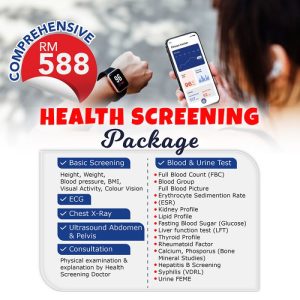
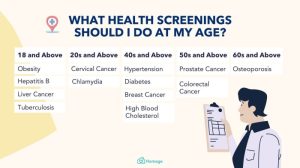
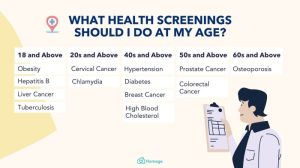
Regular health screenings play a crucial role in preventive healthcare by detecting potential issues early on. Health records are instrumental in organizing and scheduling these screenings efficiently, ensuring that patients receive the necessary tests at the right times.
Role of Health Records in Organizing and Scheduling Health Screenings
Health records contain essential information about a patient’s medical history, including past screenings, test results, and current health status. This data helps healthcare providers determine the appropriate screenings needed based on age, gender, family history, and overall health profile. By maintaining accurate and up-to-date health records, providers can create personalized screening schedules to ensure that patients receive the recommended tests at the right intervals.
Utilization of Health Records to Monitor and Follow Up on Screening Results
After conducting health screenings, the results are documented in the patient’s health records for future reference. Healthcare providers use these records to monitor and track changes in health over time, compare current results with previous screenings, and follow up on any abnormal findings. This proactive approach allows for timely interventions, treatment, or further testing as needed, based on the screening outcomes.
Benefits of Comprehensive Health Records for Effective Health Screening Programs
Comprehensive health records contribute to the effectiveness of health screening programs by providing a complete picture of a patient’s health history. With detailed records, providers can identify risk factors, track progress, and make informed decisions about preventive measures and interventions. Patients also benefit from personalized care plans tailored to their individual needs, improving the overall quality of healthcare and promoting better health outcomes.
In conclusion, Health Records for Patients serve as a fundamental cornerstone in modern healthcare, revolutionizing how information is accessed, costs are managed, care is provided, insurance is processed, policies are shaped, and screenings are conducted. As technology advances, the importance of accurate and secure health records cannot be overstated in ensuring optimal patient care and well-being.
FAQ Resource
How do health records impact healthcare policies?
Health records influence policy development by providing evidence-based data that shapes healthcare regulations and initiatives.
What role do health records play in reducing healthcare costs?
Accurate health records help in avoiding unnecessary tests and treatments, leading to cost-effective care for patients.
Why is communication between healthcare providers facilitated by health records?
Health records enable seamless sharing of patient information, ensuring comprehensive care and informed treatment decisions.