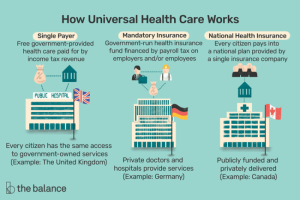
Starting with Telemedicine and Healthcare Access, this topic delves into how innovative telemedicine solutions are revolutionizing healthcare accessibility for various populations.
Exploring the intersection of technology and healthcare, this discussion highlights the transformative impact of telemedicine on bridging gaps in healthcare access.
Telemedicine and Healthcare Access
Telemedicine plays a crucial role in enhancing access to healthcare services by leveraging technology to connect patients with healthcare providers remotely. This innovative approach has revolutionized the healthcare industry, especially in reaching underserved populations and improving healthcare access in rural areas.
Examples of Telemedicine Benefits
- Teleconsultations allow patients in remote areas to connect with specialists without the need to travel long distances.
- Remote monitoring devices enable healthcare providers to track patients’ vital signs and health conditions in real-time, leading to early intervention and improved outcomes.
- Telemedicine services like teletherapy and telepsychiatry offer mental health support to individuals who may not have easy access to mental health professionals in their area.
Role of Telemedicine in Rural Healthcare Access
Telemedicine has been a game-changer in rural healthcare access by bridging the gap between patients and healthcare providers. It allows individuals living in remote areas to receive quality healthcare services without the barriers of distance and transportation. This has significantly improved the overall health outcomes in rural communities.
Accessibility of Healthcare Services: Before vs. After Telemedicine
- Before telemedicine, patients in underserved areas faced challenges in accessing timely healthcare services due to limited medical facilities and healthcare professionals.
- After the introduction of telemedicine, patients now have the opportunity to consult with healthcare providers virtually, reducing the burden of travel and wait times for appointments.
- Telemedicine has democratized healthcare access, making it more convenient and efficient for individuals across different geographical locations to receive the care they need.
Healthcare Costs and Telemedicine
Telemedicine has the potential to significantly reduce healthcare costs for patients by providing remote access to medical professionals and eliminating the need for in-person visits. This cost-effective alternative to traditional care can result in substantial savings for both patients and healthcare providers.
Cost-Effectiveness of Telemedicine
Telemedicine is often more cost-effective than traditional in-person care due to reduced overhead costs associated with operating physical facilities. Patients can save money on transportation, parking fees, and childcare expenses by consulting with healthcare providers from the comfort of their own homes. Additionally, telemedicine can help avoid unnecessary emergency room visits and hospitalizations, which are typically more expensive than virtual consultations.
- Telemedicine consultations are generally less expensive than in-person visits, making healthcare more accessible and affordable for patients.
- Remote monitoring and virtual check-ins can prevent complications and reduce the need for costly interventions, ultimately saving money for patients and healthcare systems.
- Prescription refills and follow-up appointments can be efficiently handled through telemedicine, eliminating the need for multiple in-person visits and reducing overall healthcare costs.
Impact on Overall Healthcare Spending
The widespread adoption of telemedicine has the potential to lower overall healthcare spending by improving efficiency, reducing unnecessary procedures, and preventing costly complications. By streamlining the healthcare delivery process and prioritizing preventive care, telemedicine can help control costs and improve outcomes for patients.
Telemedicine offers a cost-effective solution to traditional healthcare delivery, providing convenient access to quality care while reducing financial burdens on patients and healthcare systems.
Healthcare Providers and Telemedicine
Telemedicine offers healthcare providers a unique opportunity to enhance patient care and expand their reach beyond traditional practice settings. By effectively integrating telemedicine into their practice, healthcare providers can benefit in various ways while also addressing some challenges and barriers.
Benefits of Telemedicine for Healthcare Providers
- Increased access to a wider patient population, including rural or underserved areas.
- Improved efficiency in managing patient appointments and follow-ups.
- Reduced overhead costs associated with maintaining physical facilities.
- Enhanced collaboration with other healthcare professionals through virtual consultations.
- Ability to offer flexible scheduling options for both providers and patients.
Challenges Faced by Healthcare Providers in Telemedicine Adoption
- Concerns about data security and patient privacy in online consultations.
- Initial investment in technology infrastructure and training for staff members.
- Navigating regulatory and licensing requirements for telemedicine across state lines.
- Ensuring seamless integration of telemedicine platforms with existing electronic health record systems.
- Addressing potential limitations in conducting thorough physical examinations remotely.
Training and Education for Healthcare Providers in Telemedicine
- Completing courses or certifications in telemedicine practices and technologies.
- Participating in hands-on training sessions to become familiar with virtual care platforms.
- Staying updated on telemedicine regulations and best practices through continuous education.
- Developing effective communication skills for virtual consultations and patient interactions.
- Collaborating with telemedicine experts or consultants to optimize telehealth services within their practice.
Health Insurance and Telemedicine
Telemedicine has been rapidly integrated into the coverage policies of health insurance companies, offering patients greater access to healthcare services remotely. This shift not only benefits patients but also has significant implications for health insurance providers and their premium structures.
Incorporation of Telemedicine into Coverage Policies
Health insurance companies are recognizing the value of telemedicine in providing cost-effective and convenient healthcare services to their members. Many insurers now include telemedicine consultations as part of their coverage options, allowing patients to consult with healthcare providers virtually for a wide range of medical conditions.
Implications on Health Insurance Premiums
The adoption of telemedicine can potentially lead to lower healthcare costs for insurance companies, which may translate to more stable or even reduced premiums for policyholders. By reducing unnecessary in-person visits and emergency room utilization, telemedicine helps insurers save on expenses related to traditional healthcare services.
Examples of Health Insurance Plans with Comprehensive Telemedicine Coverage
Several health insurance plans now offer comprehensive telemedicine coverage to their members, such as UnitedHealthcare’s Virtual Visits, Blue Cross Blue Shield’s Telehealth services, and Cigna’s Telehealth Connection. These plans allow patients to access virtual consultations with healthcare providers, prescription refills, and even mental health services from the comfort of their homes.
Cost Savings for Health Insurance Companies
The utilization of telemedicine can result in significant cost savings for health insurance companies by reducing the need for expensive in-person visits, hospitalizations, and emergency room visits. Insurers can also benefit from improved patient outcomes and increased member satisfaction, leading to better retention rates and overall financial sustainability.
Health Policies and Telemedicine
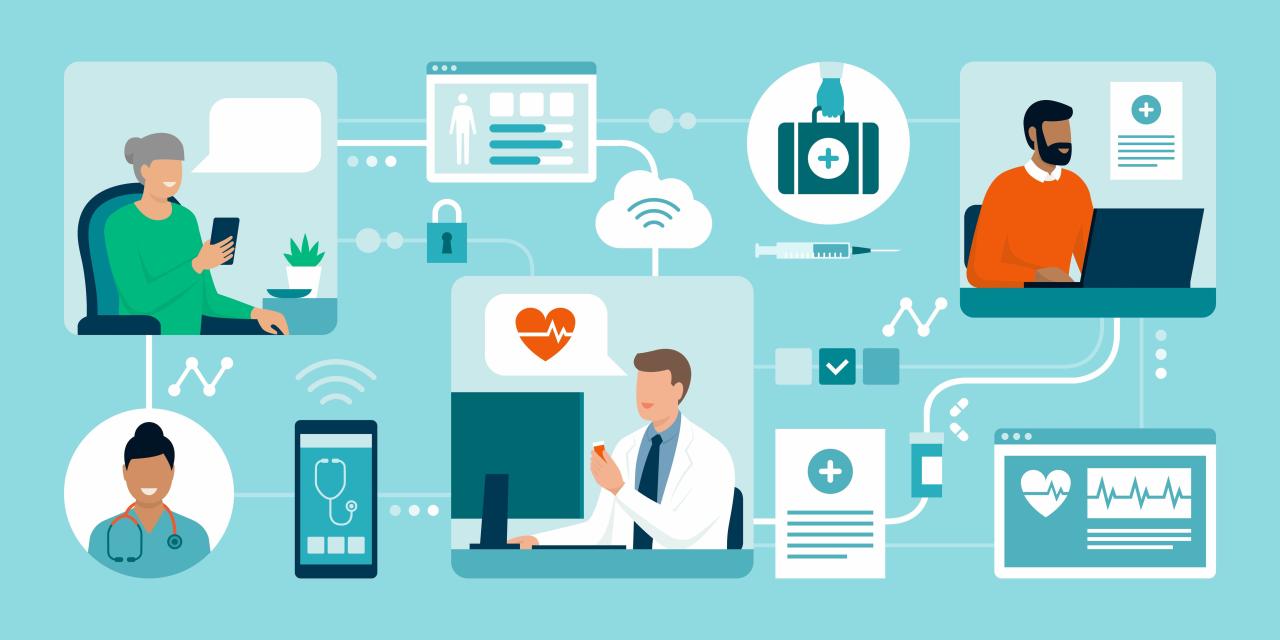
Telemedicine has seen a surge in popularity in recent years, especially with the onset of the COVID-19 pandemic. However, the regulatory landscape surrounding telemedicine and healthcare access varies from country to country, impacting the utilization of these services. Let’s delve into the current state of health policies related to telemedicine and how policymakers can further support its integration into healthcare systems.
Regulatory Landscape
In the United States, the regulatory landscape for telemedicine has evolved rapidly to accommodate the growing demand for virtual healthcare services. The Centers for Medicare and Medicaid Services (CMS) has expanded telehealth coverage, allowing more healthcare providers to deliver services remotely. Additionally, many states have passed legislation to facilitate telemedicine, such as establishing payment parity between in-person and virtual visits.
Recent Policy Changes
The COVID-19 pandemic has acted as a catalyst for several policy changes that have impacted the utilization of telemedicine services. For instance, temporary waivers and flexibilities have been introduced to ease restrictions on telehealth services, making it easier for patients to access care remotely. These changes have highlighted the importance of telemedicine in ensuring continuity of care during public health emergencies.
Supporting Integration
Policymakers can further support the integration of telemedicine into healthcare systems by investing in broadband infrastructure to ensure widespread access to virtual care. They can also focus on addressing reimbursement challenges and regulatory barriers that may hinder the adoption of telehealth services. Moreover, promoting telemedicine education and training for healthcare providers can enhance the quality of virtual care delivery.
Promoting Equitable Access
Government policies play a crucial role in promoting equitable access to telemedicine services, especially for underserved populations. Policymakers must prioritize initiatives that address disparities in digital literacy, access to technology, and healthcare coverage to ensure that all individuals have equal opportunities to benefit from telehealth services. By leveraging policy levers effectively, policymakers can create a more inclusive healthcare system that leverages the potential of telemedicine to improve health outcomes for all.
Health Records and Telemedicine
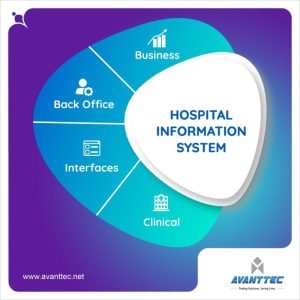
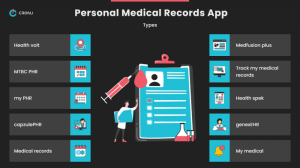
Telemedicine platforms play a crucial role in ensuring the security and privacy of health records. By utilizing advanced encryption methods and secure data storage, these platforms maintain the confidentiality of patient information, complying with strict healthcare regulations.The benefits of having electronic health records accessible through telemedicine are significant. Patients can conveniently access their medical history, test results, and treatment plans from anywhere, enabling seamless communication with healthcare providers.
This accessibility enhances patient engagement and empowers individuals to take an active role in managing their health.
Streamlined Management of Health Records
- Telemedicine platforms allow for real-time updates to electronic health records, ensuring that providers have the most up-to-date information during virtual consultations.
- Integration with other healthcare systems enables the transfer of relevant data between different providers, improving care coordination and reducing the risk of errors.
- Automated reminders and alerts help patients stay on track with their treatment plans and follow-up appointments, promoting better health outcomes.
Challenges of Interoperability in Health Records
- One of the main challenges in telemedicine is the lack of standardization in health record formats, making it difficult for different systems to communicate effectively.
- Ensuring data integrity and accuracy when transferring health records between platforms is crucial to avoid discrepancies in patient information.
- Addressing cybersecurity threats and protecting health records from potential breaches is an ongoing challenge that requires constant vigilance and updates to security protocols.
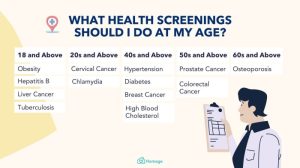
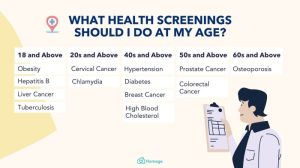
Health Screening and Telemedicine
Telemedicine has revolutionized the way health screening services are delivered to patients, making it more convenient and accessible. Through telemedicine, patients can undergo various health screenings remotely, without the need to visit a healthcare facility in person.
Facilitation of Health Screening Services
- Telemedicine platforms allow patients to schedule virtual appointments with healthcare providers for health screenings such as blood pressure monitoring, cholesterol screening, and diabetes screenings.
- Patients can securely share their health information and medical history with healthcare providers through telemedicine platforms, enabling comprehensive screenings to be conducted remotely.
- Remote monitoring devices connected to telemedicine platforms enable real-time tracking of vital signs and health data, enhancing the accuracy and effectiveness of health screenings.
Effectiveness in Preventive Health Screenings
- Telemedicine has proven to be highly effective in conducting preventive health screenings by promoting regular check-ups and early detection of health conditions.
- Remote health screenings through telemedicine encourage patients to prioritize their health and well-being, leading to better preventive care and overall health outcomes.
Successful Examples of Health Screening Programs
- The American Heart Association’s telemedicine program for cardiovascular screenings has successfully reached underserved populations and increased early detection of heart-related issues.
- The National Breast Cancer Foundation’s telemedicine initiative for mammogram screenings has improved access to breast cancer screenings for women in remote areas.
Impact on Early Detection and Prevention
- Telemedicine plays a crucial role in the early detection and prevention of health conditions through regular screenings, leading to timely interventions and improved health outcomes.
- Remote health screenings via telemedicine empower patients to take proactive steps towards maintaining their health, reducing the burden of preventable diseases and promoting overall well-being.
In conclusion, Telemedicine and Healthcare Access showcase a promising future where advanced telemedicine technologies play a pivotal role in ensuring equitable healthcare access for all.
Quick FAQs
How does telemedicine benefit underserved populations?
Telemedicine allows individuals in remote or underserved areas to access quality healthcare services without the need for physical travel, overcoming geographical barriers.
What are some examples of cost savings associated with telemedicine services?
Telemedicine reduces expenses related to transportation, time off work, and childcare, making healthcare more affordable and convenient for patients.
How can healthcare providers integrate telemedicine into their practice effectively?
Healthcare providers can undergo specialized training and invest in user-friendly telemedicine platforms to seamlessly incorporate telemedicine into their service delivery.
What is the role of government policies in promoting equitable access to telemedicine services?
Government policies can incentivize the adoption of telemedicine, enhance reimbursement structures, and ensure regulatory frameworks support widespread availability of telemedicine services.