With Improving Healthcare Access in Rural Areas at the forefront, this paragraph opens a window to an amazing start and intrigue, inviting readers to embark on a storytelling filled with unexpected twists and insights.
Accessing healthcare in rural areas presents unique challenges due to geographic isolation, limited providers, and financial barriers. However, by addressing these issues and implementing innovative solutions, we can enhance healthcare access for rural communities, ensuring everyone receives the care they need.
Healthcare Access in Rural Areas
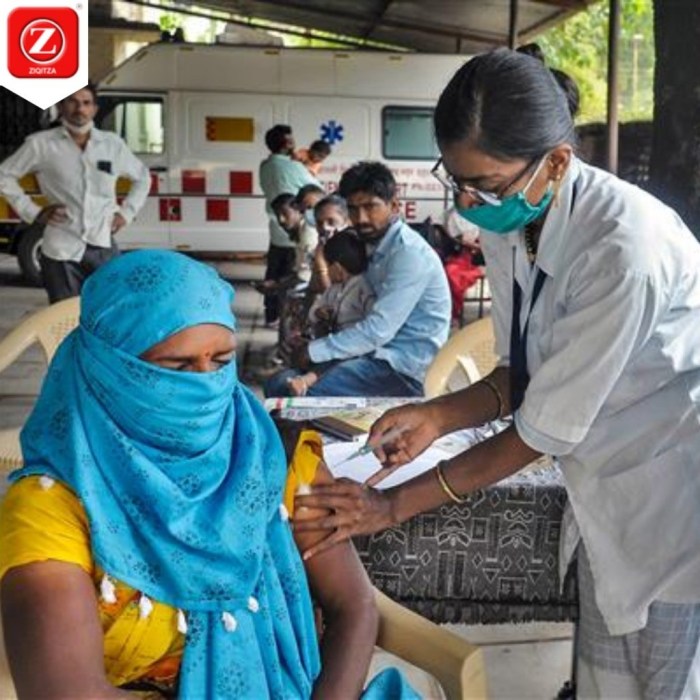
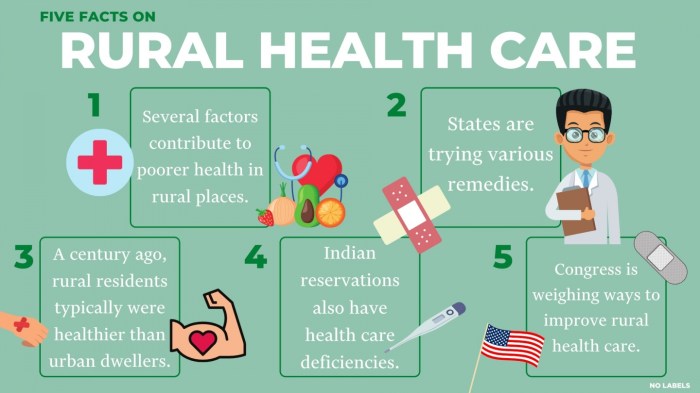
Accessing healthcare services in rural areas poses several challenges due to geographic isolation, limited resources, and inadequate infrastructure. Many rural communities struggle to provide essential medical care to their residents, leading to disparities in health outcomes.
Impact of Geographic Isolation
Geographic isolation plays a significant role in limiting healthcare access in rural areas. The distance between rural communities and healthcare facilities can result in delayed medical treatment, especially in emergencies. Patients may have to travel long distances to reach hospitals or clinics, increasing the risk of complications or even death.
Moreover, the lack of public transportation options in rural areas further exacerbates the problem, as individuals may struggle to reach healthcare facilities without a reliable means of transportation. This issue is particularly challenging for elderly patients or those with mobility limitations.
Importance of Improving Healthcare Access
Improving healthcare access in rural communities is crucial for ensuring that all individuals have the opportunity to receive timely and quality medical care. By addressing the barriers to healthcare access, such as geographic isolation and limited resources, we can help reduce health disparities and improve the overall well-being of rural residents.
Healthcare Costs in Rural Areas
Financial barriers play a significant role in limiting healthcare access in rural areas, affecting the ability of residents to seek and receive necessary medical services. The affordability of healthcare services is a crucial factor that determines whether individuals in rural communities can access the care they need. Addressing and reducing healthcare costs in rural areas is essential to improve overall health outcomes in these underserved regions.
Factors Contributing to High Healthcare Costs in Rural Areas
- Rural areas often have a lower population density, leading to higher per capita healthcare costs for providers.
- Limited access to healthcare facilities and specialists in rural regions can result in higher transportation expenses for residents seeking care outside their communities.
- Healthcare providers in rural areas may face challenges in recruiting and retaining staff, leading to higher labor costs that are ultimately passed on to patients.
Strategies to Address and Reduce Healthcare Costs in Rural Communities
- Implement telehealth services to increase access to virtual consultations and reduce the need for expensive in-person visits.
- Expand insurance coverage and subsidies for rural residents to make healthcare services more affordable and accessible.
- Invest in preventive care programs to reduce the need for costly emergency medical interventions in rural communities.
- Support initiatives that promote the use of generic medications and reduce prescription drug costs for rural residents.
Healthcare Providers in Rural Areas
In rural areas, there is a significant shortage of healthcare professionals, including doctors, nurses, and specialists. This shortage poses a major challenge to providing adequate healthcare services to residents in these regions.
Impact of Limited Healthcare Providers on Access to Care
The limited number of healthcare providers in rural areas results in longer wait times for appointments, limited availability of specialized care, and increased travel distances to access medical services. This leads to delays in treatment, lower quality of care, and overall poorer health outcomes for rural residents.
Innovative Solutions to Attract and Retain Healthcare Providers
- Implementing telemedicine services to connect rural patients with healthcare providers located in urban areas.
- Offering student loan forgiveness programs and financial incentives for healthcare professionals who choose to work in rural communities.
- Establishing partnerships with academic institutions to provide training and education opportunities for healthcare providers interested in practicing in rural areas.
- Creating community health worker programs to expand access to basic healthcare services and support healthcare providers in rural clinics.
Health Insurance in Rural Areas
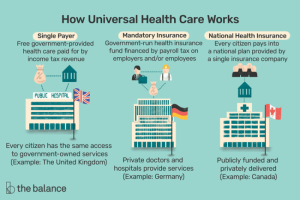
Health insurance coverage in rural areas is not as prevalent as in urban areas. According to the U.S. Census Bureau, rural residents are more likely to be uninsured compared to their urban counterparts. This lack of insurance can have significant implications for healthcare access and outcomes in rural communities.
Impact of Lack of Insurance on Healthcare Access
- Rural residents without health insurance often delay seeking medical care or forgo it altogether due to financial constraints.
- Without insurance, individuals may not have access to preventive services, leading to undiagnosed and untreated health conditions.
- The lack of insurance can result in higher out-of-pocket costs for healthcare services, placing a financial burden on rural residents.
- Hospitals and healthcare providers in rural areas may struggle financially when providing care to uninsured patients, affecting the overall quality of healthcare services available.
Initiatives to Increase Health Insurance Enrollment
- State and federal governments can implement policies to expand Medicaid coverage in rural areas, providing affordable insurance options for low-income individuals.
- Community outreach programs can educate rural residents about the importance of health insurance and help them navigate the enrollment process.
- Collaborations between healthcare providers, insurance companies, and community organizations can create tailored insurance plans that meet the specific needs of rural populations.
- Telehealth services can be utilized to connect uninsured rural residents with healthcare professionals remotely, improving access to care regardless of insurance status.
Health Policies for Rural Healthcare
In rural areas, access to healthcare can be challenging due to various factors such as limited resources and healthcare providers. Health policies play a crucial role in addressing these challenges and improving healthcare access for rural populations.
Existing Policies Supporting Rural Healthcare Access
- Telemedicine: Policies that support the use of telemedicine in rural areas have helped bridge the gap in access to healthcare services.
- Rural Health Clinics: Policies that provide funding and support for rural health clinics have increased access to primary care services in rural communities.
- Loan Repayment Programs: Policies that offer loan repayment programs for healthcare providers who work in rural areas have helped attract and retain providers in underserved areas.
Effectiveness of Current Policies in Addressing Rural Healthcare Needs
- While existing policies have made some progress in improving healthcare access in rural areas, there are still gaps that need to be addressed.
- Challenges such as provider shortages and lack of specialized services continue to impact rural communities despite current policies.
Potential Policy Changes to Enhance Healthcare Access for Rural Populations
- Increasing Funding: Implementing policies to increase funding for rural healthcare facilities and programs can help improve access to quality care.
- Telehealth Expansion: Expanding policies to further support and incentivize the use of telehealth can enhance access to healthcare services for rural residents.
- Workforce Development: Implementing policies to support workforce development programs in rural areas can help address provider shortages and improve access to care.
Health Records and Technology
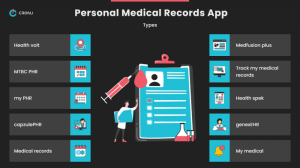
Electronic health records (EHRs) play a crucial role in improving healthcare access in rural areas by providing a centralized platform for storing and accessing patient information. This digitalization of health records enhances communication between healthcare providers and allows for more efficient and coordinated care delivery.
Importance of Electronic Health Records
- Facilitate remote consultations: EHRs enable healthcare providers to access patient information remotely, which is especially beneficial in rural areas with limited access to specialists.
- Reduce medical errors: By digitizing health records, the chances of errors due to illegible handwriting or missing information are minimized, leading to improved patient safety.
- Enhance care coordination: EHRs allow for seamless sharing of patient information among different healthcare providers, ensuring continuity of care and preventing duplication of tests or treatments.
Telemedicine and Digital Health Tools
- Telemedicine: Remote consultations through telemedicine platforms enable patients in rural areas to access healthcare services without the need to travel long distances, improving convenience and reducing barriers to care.
- Digital health tools: Mobile apps and wearable devices can help patients monitor their health conditions, track medications, and communicate with healthcare providers, promoting proactive healthcare management in rural communities.
Successful Health Technology Implementations in Rural Healthcare Settings
- Telehealth clinics: Setting up telehealth clinics in rural areas has proven to be effective in expanding access to healthcare services, particularly for specialized care that may not be readily available locally.
- Remote monitoring devices: Implementing remote monitoring devices for chronic disease management allows healthcare providers to track patients’ health status in real-time and intervene promptly when needed, leading to better health outcomes.
- Health information exchange platforms: Creating interoperable systems that enable the secure exchange of health information between different healthcare facilities ensures that patients receive comprehensive and coordinated care regardless of their location.
Health Screening Programs in Rural Areas
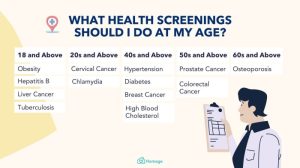
Health screenings play a crucial role in early detection and prevention of diseases, especially in rural areas where access to healthcare services may be limited. These programs help identify health issues before they escalate, leading to better health outcomes and reduced healthcare costs.
Significance of Preventive Health Screenings in Rural Populations
- Early detection: Health screenings can detect diseases at an early stage, allowing for timely intervention and treatment.
- Preventive care: By identifying risk factors through screenings, individuals can take proactive measures to prevent the onset of diseases.
- Reduced healthcare costs: Preventive screenings can help avoid costly medical treatments associated with advanced stages of diseases.
Barriers to Implementing Health Screening Programs in Rural Areas
- Lack of healthcare infrastructure: Limited access to healthcare facilities and professionals in rural areas can hinder the implementation of screening programs.
- Transportation challenges: Rural residents may face difficulties in reaching screening locations due to long distances and lack of transportation options.
- Health literacy: Low levels of health literacy in rural populations can impact awareness and understanding of the importance of screenings.
Promoting and Improving Participation in Health Screening Initiatives
- Community outreach: Engaging community leaders and local organizations to raise awareness about the benefits of health screenings.
- Mobile screening units: Providing mobile screening units that travel to remote areas to offer convenient access to screenings.
- Telehealth services: Utilizing telehealth technologies to offer virtual screenings and consultations for rural residents.
In conclusion, improving healthcare access in rural areas is crucial for the well-being of residents. By addressing challenges, reducing costs, attracting providers, expanding insurance coverage, implementing effective policies, leveraging technology, and promoting health screenings, we can create a healthier future for rural populations.
FAQ Resource
How can geographic isolation impact healthcare access in rural areas?
Geographic isolation can lead to longer travel times to reach healthcare facilities, limited access to specialists, and challenges in emergency situations.
What are some strategies to address and reduce healthcare costs in rural communities?
Strategies include implementing telemedicine to reduce travel costs, offering subsidies or sliding-scale fees for low-income residents, and promoting preventive care to reduce long-term expenses.