Exploring the realm of Managing Healthcare Costs with Insurance, this introduction sets the stage for a deep dive into the intricacies of navigating healthcare expenses with the help of insurance.
In the following paragraphs, we will unravel key insights on healthcare access, costs, providers, insurance, policies, health records, and screenings, shedding light on effective cost management strategies.
Healthcare Access

Easy access to healthcare services is crucial for effectively managing healthcare costs. When individuals have convenient access to healthcare facilities, they are more likely to seek preventive care and early treatment, which can help prevent costly complications down the line. Limited access to healthcare facilities, on the other hand, can lead to delayed care, resulting in more severe health conditions that require expensive treatments.
Impact of Limited Access
Limited access to healthcare facilities can result in individuals relying on emergency rooms for basic healthcare needs, which is significantly more expensive than regular visits to a primary care physician. This can drive up healthcare costs for both individuals and the healthcare system as a whole. Additionally, individuals with limited access to healthcare may forego necessary medical care altogether, leading to worsened health outcomes and higher costs in the long run.
Benefits of Improved Healthcare Access
Improved healthcare access can lead to better cost management by promoting preventive care, early intervention, and chronic disease management. When individuals can easily access healthcare services, they are more likely to address health issues before they escalate, reducing the need for costly treatments or hospitalizations. For example, individuals with access to affordable primary care are more likely to receive ongoing management of chronic conditions, reducing the likelihood of costly complications.
Healthcare Costs
Factors contributing to rising healthcare costs include advancements in medical technology, an aging population, increasing chronic conditions, administrative costs, and prescription drug prices.
Strategies to Reduce Out-of-Pocket Healthcare Expenses
- Shop around for healthcare services to compare prices and find the best value.
- Utilize preventive care services to catch health issues early and avoid costly treatments.
- Consider using telemedicine or urgent care centers for non-emergency medical needs.
- Opt for generic medications instead of brand-name drugs to save on prescription costs.
- Negotiate medical bills with healthcare providers or seek financial assistance programs.
Role of Insurance in Mitigating High Healthcare Costs
Insurance plays a crucial role in reducing out-of-pocket expenses by providing coverage for medical services, prescription drugs, and preventive care. It helps individuals access necessary healthcare without facing financial hardship. Insurance also negotiates discounted rates with healthcare providers, ensuring that policyholders pay lower prices for services. Additionally, insurance plans set annual maximum out-of-pocket limits to protect individuals from catastrophic healthcare costs.
Healthcare Providers
When it comes to managing healthcare costs, the choice of healthcare provider plays a crucial role. Different healthcare providers, such as primary care physicians and specialists, can have varying impacts on healthcare costs.
Provider Networks and Cost Savings
Provider networks are groups of healthcare providers that insurance companies have contracts with to provide services at discounted rates. By choosing healthcare providers within your insurance network, individuals can benefit from cost savings. Out-of-network providers typically result in higher out-of-pocket expenses for patients.
- Staying within your insurance network can help maximize your insurance coverage and minimize unexpected costs.
- Providers in-network have agreed-upon rates with insurance companies, leading to lower costs for covered services.
- Out-of-network providers may charge higher rates, leaving patients responsible for a larger portion of the bill.
Choosing the Right Healthcare Provider
Selecting the right healthcare provider can make a significant difference in managing healthcare costs effectively. Factors to consider include the provider’s qualifications, experience, and reputation for delivering quality care at a reasonable cost.
- Researching providers in your network can help you find a balance between cost and quality of care.
- Choosing a primary care physician as the first point of contact for healthcare needs can help coordinate care and prevent unnecessary visits to specialists.
- Specialists may be necessary for specific conditions, but working closely with your primary care physician to manage referrals can help control costs.
Health Insurance
Understanding the various types of health insurance plans and their impact on managing healthcare costs is crucial for individuals and families. It is essential to navigate the complexities of insurance coverage to avoid unexpected expenses and optimize cost management.
Types of Health Insurance Plans
- Health Maintenance Organization (HMO): Requires individuals to choose a primary care physician and obtain referrals for specialists.
- Preferred Provider Organization (PPO): Offers more flexibility in choosing healthcare providers but may come with higher out-of-pocket costs.
- High Deductible Health Plan (HDHP): Typically accompanied by a health savings account (HSA) and lower monthly premiums but higher deductibles.
- Exclusive Provider Organization (EPO): Similar to HMOs but without coverage for out-of-network providers.
Importance of Understanding Insurance Coverage
- Knowing what services are covered by your insurance plan can prevent surprise bills and avoid financial strain.
- Understanding copayments, deductibles, and out-of-pocket maximums helps in planning for healthcare expenses.
- Being aware of network restrictions can ensure that you receive care from in-network providers to maximize coverage benefits.
Tips for Navigating Health Insurance
- Review your insurance plan documents carefully to understand coverage details and limitations.
- Ask questions to your insurance provider or employer’s HR department to clarify any uncertainties about your plan.
- Utilize online tools and resources provided by insurance companies to compare costs and find in-network providers.
- Keep track of medical expenses, claims, and explanations of benefits to monitor your healthcare spending.
- Consider consulting with a healthcare advocate or insurance broker for personalized guidance on managing healthcare costs.
Health Policies
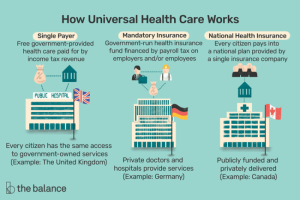
Government policies play a crucial role in influencing healthcare costs and insurance coverage. These policies can impact the overall healthcare system, affecting the expenses individuals incur and the coverage they receive. Let’s explore how regulations shape healthcare expenses and insurance options for people.
Government Regulations and Healthcare Costs
Government regulations are designed to control healthcare costs by setting standards for pricing, reimbursement, and overall healthcare delivery. For example, policies like the Affordable Care Act (ACA) in the United States aimed to expand access to affordable healthcare coverage, regulate insurance practices, and reduce overall healthcare costs for individuals. By implementing measures such as subsidies for low-income individuals and prohibiting insurance companies from denying coverage based on pre-existing conditions, the ACA helped make healthcare more accessible and affordable for many Americans.Other policy changes, such as Medicare reforms or Medicaid expansion, can also impact healthcare costs by influencing reimbursement rates, coverage options, and provider participation.
By adjusting payment models and incentivizing value-based care, policymakers seek to improve healthcare quality while controlling costs.Overall, government policies play a significant role in shaping healthcare costs and insurance coverage. By implementing regulations that promote affordability, accessibility, and quality care, policymakers can help mitigate the financial burden on individuals and ensure a more sustainable healthcare system.
Health Records
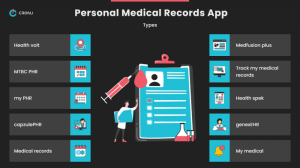
Maintaining accurate health records is crucial for managing healthcare costs efficiently. By having access to detailed and up-to-date health information, healthcare providers can make informed decisions regarding treatments, medications, and procedures, ultimately leading to better outcomes and reduced expenses.
Significance of Electronic Health Records
Electronic health records (EHRs) play a significant role in streamlining billing processes and reducing errors in healthcare. By digitizing health records, providers can easily access patient information, track medical history, and coordinate care more effectively. This not only saves time but also minimizes the risk of duplicate tests, unnecessary treatments, and billing inaccuracies.
- Elimination of Paperwork: EHRs eliminate the need for manual documentation, reducing the chances of errors and ensuring that all information is stored securely.
- Efficient Communication: With EHRs, healthcare providers can easily share patient data, test results, and treatment plans, leading to better coordination of care and faster decision-making.
- Improved Patient Safety: Accurate health records help prevent medication errors, allergies, and other potential risks, ultimately enhancing patient safety and reducing healthcare costs associated with adverse events.
Benefits of Easy Access to Comprehensive Health Records
Having easy access to comprehensive health records can significantly contribute to cost-effective healthcare management by promoting preventive care, reducing unnecessary procedures, and facilitating care coordination.
“Access to detailed health records allows healthcare providers to identify patterns, track progress, and personalize treatment plans according to individual needs, ultimately leading to improved health outcomes and cost savings.”
- Preventive Care: Comprehensive health records enable providers to identify risk factors, monitor chronic conditions, and recommend preventive measures, reducing the likelihood of costly complications and hospitalizations.
- Cost-Efficient Treatment: By having a complete overview of a patient’s medical history, providers can avoid repetitive tests, unnecessary treatments, and hospital readmissions, ultimately saving on healthcare expenses.
- Care Coordination: Easy access to health records allows for better coordination among healthcare professionals, ensuring that patients receive timely and appropriate care, reducing the overall cost of healthcare services.
Health Screening
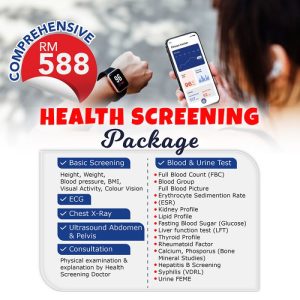
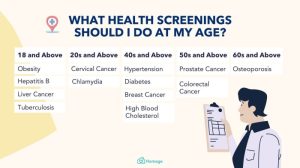
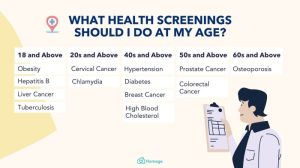
Regular health screenings play a crucial role in preventing costly health conditions by detecting potential issues at an early stage. Early detection through screenings not only improves health outcomes but also leads to better cost management in healthcare. By identifying health problems in their early stages, individuals can receive timely interventions, preventing the progression of diseases and reducing the need for expensive treatments.
Preventive Screenings for Cost Management
- Annual Physical Exams: Regular check-ups with healthcare providers can help monitor overall health and detect any underlying issues before they escalate.
- Blood Pressure Screening: Monitoring blood pressure levels can help prevent conditions like heart disease and stroke, reducing long-term healthcare costs associated with these conditions.
- Cholesterol Tests: Screening for cholesterol levels can aid in the prevention of cardiovascular diseases, leading to potential cost savings on treatments and medications.
- Colorectal Cancer Screening: Detecting colorectal cancer early through screenings can increase treatment success rates and lower healthcare costs compared to advanced-stage diagnoses.
- Mammograms and Pap Smears: Regular screenings for breast and cervical cancers can lead to early detection and improved treatment outcomes, potentially reducing the financial burden of advanced cancer treatments.
In conclusion, the discussion on managing healthcare costs through insurance brings to light the importance of informed decision-making and proactive healthcare management to ensure financial well-being and optimal health outcomes.
Frequently Asked Questions
How can I reduce out-of-pocket healthcare expenses?
By exploring options like Health Savings Accounts (HSAs) or choosing in-network providers, individuals can effectively reduce their out-of-pocket healthcare costs.
What types of health insurance plans are available?
Health insurance plans vary from HMOs to PPOs, each offering different coverage options and costs for managing healthcare expenses.
How do government policies influence healthcare costs?
Government policies play a crucial role in shaping healthcare costs by regulating aspects like insurance coverage and healthcare services.