Health Policy Analysis and Trends sets the stage for this enthralling narrative, offering readers a glimpse into a story that is rich in detail and brimming with originality. From healthcare access to health records, this exploration delves into the intricate web of policies and trends shaping the healthcare landscape.
Healthcare Access
Access to healthcare services plays a crucial role in improving the overall health of a population. When individuals can easily seek medical attention, preventive care, and treatment, they are more likely to maintain good health and address any health issues promptly.
Barriers to Healthcare Access
- Lack of Health Insurance: Without insurance coverage, many individuals struggle to afford medical care, leading to delayed treatment or avoidance of necessary services.
- Geographical Barriers: Rural areas often have limited healthcare facilities and providers, making it challenging for residents to access timely care.
- Cultural and Language Barriers: Some populations face difficulties in communication or understanding medical information due to language differences or cultural beliefs.
Impact of Socioeconomic Factors
Socioeconomic factors such as income level, education, and employment status significantly influence healthcare access. Individuals with lower income levels or education may face barriers in accessing quality healthcare services, leading to disparities in health outcomes.
Healthcare Costs
The cost of healthcare is a crucial aspect of the healthcare system that impacts accessibility and quality of care. Let’s examine the trends in healthcare costs over the past decade and explore the factors contributing to the rise in these costs.
Trends in Healthcare Costs
- Healthcare costs have been consistently rising over the past decade, outpacing inflation and wage growth.
- One of the major drivers of increasing healthcare costs is the advancement of medical technology and pharmaceuticals, leading to expensive treatments and procedures.
- Administrative costs, including billing and insurance-related expenses, also contribute significantly to the overall healthcare expenditure.
Comparison of Healthcare Costs Across Countries
- The cost of healthcare services varies greatly across different countries, with some nations spending a much higher percentage of their GDP on healthcare than others.
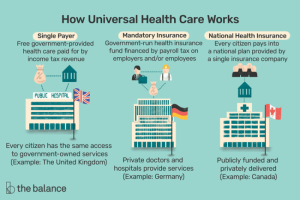
- For example, the United States has one of the highest healthcare costs globally, spending significantly more per capita compared to countries with universal healthcare systems like Canada and the United Kingdom.
- Differences in healthcare infrastructure, insurance coverage, and healthcare policies play a significant role in the disparities in healthcare costs among countries.
Factors Contributing to the Rise in Healthcare Costs
- Rising chronic diseases and an aging population increase the demand for healthcare services, leading to higher costs for managing these conditions.
- Price inflation in the healthcare sector, driven by factors such as monopolies, lack of price transparency, and high drug prices, contributes to the overall increase in healthcare costs.
- Defensive medicine practices, where healthcare providers order unnecessary tests and procedures to avoid malpractice lawsuits, also add to the financial burden of healthcare.
Healthcare Providers
Healthcare providers play a crucial role in delivering quality care to patients. They are essential in ensuring the well-being and health of individuals in various healthcare settings.
Role of Different Healthcare Providers
Healthcare providers encompass a wide range of professionals who work together to provide comprehensive care to patients. The most common healthcare providers include physicians, nurses, pharmacists, and allied health professionals.
- Physicians: Physicians are responsible for diagnosing and treating medical conditions, prescribing medications, and coordinating overall patient care. They play a central role in decision-making and treatment planning.
- Nurses: Nurses provide direct patient care, administer medications, monitor patient progress, and educate patients about their health conditions. They work closely with physicians to implement treatment plans and ensure patient comfort.
- Other Healthcare Professionals: This category includes pharmacists, physical therapists, occupational therapists, social workers, and other allied health professionals who contribute to the holistic care of patients.
Responsibilities of Healthcare Providers
Each healthcare provider has specific responsibilities that contribute to the overall quality of care delivered to patients. While physicians focus on diagnosis and treatment, nurses provide essential support and monitoring, and other healthcare professionals offer specialized services to meet the diverse needs of patients.
Challenges Faced by Healthcare Providers
Healthcare providers face numerous challenges in today’s healthcare system, including increasing patient loads, administrative burdens, regulatory requirements, and the need to keep up with rapidly evolving medical technologies. Additionally, burnout and high levels of stress are prevalent among healthcare professionals, affecting their ability to provide optimal care to patients.
Health Insurance
Health insurance plays a crucial role in providing financial protection for individuals when they require medical care. It helps in covering the costs associated with healthcare services, ensuring that individuals do not face significant financial burdens in times of illness or injury.
Types of Health Insurance Plans
- Private Health Insurance: Offered by private companies and can be obtained through employers or purchased individually. These plans offer a range of coverage options and benefits.
- Medicare: A federal program primarily for individuals aged 65 and older, as well as certain younger individuals with disabilities. It consists of different parts covering hospital care, medical services, and prescription drugs.
- Medicaid: A state and federally-funded program that provides health coverage to low-income individuals and families. Eligibility criteria vary by state.
- Health Maintenance Organization (HMO): Requires individuals to choose a primary care physician and obtain referrals for specialists. These plans often have lower out-of-pocket costs but limited provider networks.
- Preferred Provider Organization (PPO): Allows individuals to see any healthcare provider without a referral, but offers lower costs for services obtained within the network.
Impact of Health Insurance Coverage on Healthcare Utilization
Having health insurance coverage has been shown to increase healthcare utilization among individuals. It ensures that individuals have access to necessary medical services, preventive care, and treatments without worrying about the financial implications. This leads to better health outcomes and overall well-being for insured individuals.
Health Policies
The implementation of health policies plays a crucial role in shaping the healthcare landscape, aiming to improve public health outcomes and address healthcare disparities.
Recent Health Policies
- One recent health policy is the expansion of Medicaid coverage in several states, providing access to healthcare for low-income individuals.
- Another policy focuses on increasing funding for mental health services to address the rising mental health crisis in the population.
- The implementation of vaccination mandates in schools and healthcare facilities to prevent the spread of infectious diseases is also a significant health policy.
Role of Government in Health Policies
The government plays a pivotal role in shaping health policies by enacting laws and regulations that govern healthcare delivery, funding, and access.
Government agencies such as the Centers for Medicare and Medicaid Services (CMS) are responsible for implementing and enforcing health policies at the federal level.
Effectiveness of Health Policies
- Health policies have shown effectiveness in reducing healthcare disparities by ensuring equitable access to healthcare services for marginalized populations.
- Studies have indicated that policies promoting preventive care and early intervention have led to improved health outcomes and reduced healthcare costs in the long run.
- However, the effectiveness of health policies can vary based on implementation strategies, resources allocated, and the collaboration between government agencies and healthcare providers.
Health Records
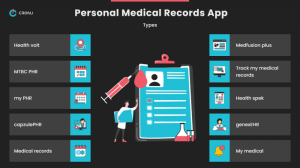
Electronic health records (EHRs) have revolutionized modern healthcare practice by digitizing patient information and making it easily accessible to healthcare providers. This shift from traditional paper-based records to electronic formats has significantly improved the efficiency and quality of patient care.
Benefits of Health Records
- Improved Patient Care: EHRs allow for quick and accurate access to a patient’s medical history, test results, medications, and treatment plans. This comprehensive view of a patient’s health enables healthcare providers to make more informed decisions and provide better care.
- Enhanced Patient Safety: Electronic health records help reduce medical errors by providing alerts for potential drug interactions, allergies, and other critical information. This ensures that patients receive safe and effective treatment.
- Coordination of Care: EHRs facilitate seamless communication and collaboration among different healthcare providers involved in a patient’s care. This leads to better coordination and continuity of treatment.
Challenges of Health Records
- Security Concerns: One of the main challenges associated with EHRs is ensuring the privacy and security of patient information. Healthcare organizations must implement robust measures to protect sensitive data from cyber threats and unauthorized access.
- Interoperability Issues: The lack of standardized formats and systems for electronic health records can hinder the exchange of information between different healthcare providers and systems. This interoperability challenge limits the seamless sharing of patient data.
- Data Accuracy: Maintaining the accuracy of information in EHRs is crucial for effective patient care. Errors in data entry or outdated information can lead to misdiagnoses and inappropriate treatments. Regular updates and verification processes are essential to ensure data integrity.
Health Screening
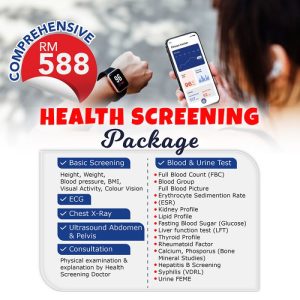
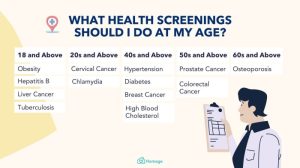
Regular health screening plays a crucial role in preventing diseases by detecting potential health issues early on, allowing for timely intervention and treatment. It is an essential component of preventive healthcare that can help individuals maintain optimal health and well-being.
Types of Health Screenings
- 1. Blood Pressure Screening: Regular monitoring of blood pressure levels can help in the early detection of hypertension, a major risk factor for heart disease and stroke.
- 2. Cholesterol Screening: Checking cholesterol levels can aid in assessing the risk of cardiovascular diseases.
- 3. Cancer Screenings: Various screenings such as mammograms, Pap tests, colonoscopies, and prostate-specific antigen (PSA) tests can detect cancer at early stages when treatment is most effective.
- 4. Diabetes Screening: Testing blood sugar levels can help in the early diagnosis of diabetes and enable prompt management.
Impact of Early Detection
Early detection through health screening significantly impacts treatment outcomes by allowing healthcare providers to intervene at an earlier stage of the disease. This can lead to more effective treatment options, better prognosis, and improved quality of life for individuals. Regular health screenings are, therefore, vital in promoting overall health and well-being.
As we conclude this journey through the realm of health policy analysis and trends, it becomes evident that understanding these dynamics is crucial for navigating the complexities of healthcare. From the impact of socioeconomic factors on healthcare access to the role of government in shaping health policies, the landscape is vast and ever-evolving. Stay informed, stay engaged, and stay proactive in advocating for a healthier future.
FAQ Summary
What are some common barriers to accessing healthcare services?
Barriers to healthcare access can include lack of insurance coverage, high costs, geographic distance to healthcare facilities, and language barriers.
How do health insurance plans impact healthcare utilization?
Health insurance plans can influence healthcare utilization by providing financial protection for individuals, ensuring they seek necessary medical care without the fear of high out-of-pocket costs.
What types of health screenings are typically recommended for preventive care?
Common health screenings for preventive care include blood pressure checks, cholesterol screenings, mammograms, colonoscopies, and vaccinations.