Embark on a journey through the world of Health Insurance Subsidies and Tax Credits, where affordability meets quality care in a seamless blend of financial support and access to essential services.
Delve into the intricacies of how subsidies and tax credits shape the landscape of healthcare, providing individuals with the means to secure their well-being without compromising on quality.
Health Insurance Subsidies and Tax Credits
Health insurance subsidies and tax credits play a crucial role in making healthcare more affordable for individuals and families. Let’s delve into how these mechanisms work and compare their impact on healthcare accessibility.
Health Insurance Subsidies
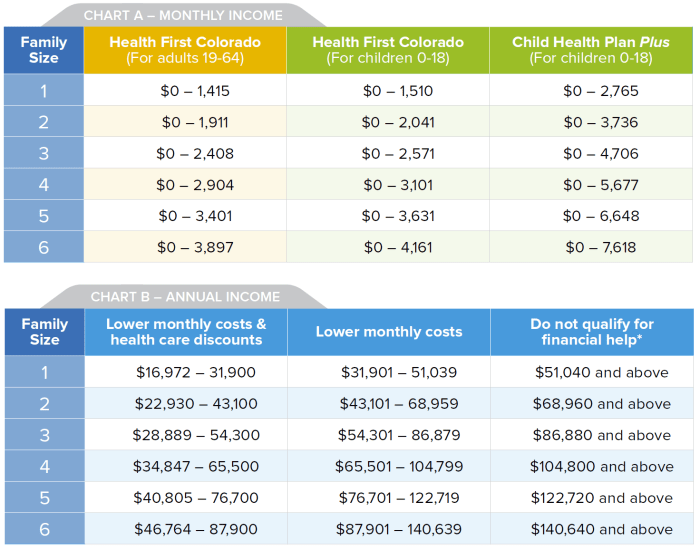
Health insurance subsidies are financial assistance provided by the government to help individuals and families with low to moderate incomes afford health coverage. These subsidies are designed to lower the cost of premiums, deductibles, and other out-of-pocket expenses associated with health insurance plans.
- Subsidies are typically based on income levels, with lower-income individuals receiving higher levels of assistance.
- They are usually provided in the form of premium tax credits, which are applied directly to the individual’s insurance premium to reduce the overall cost.
- Subsidies are available through the Health Insurance Marketplace established under the Affordable Care Act (ACA) in the United States.
Tax Credits for Health Insurance
Tax credits for health insurance work by providing individuals and families with a reduction in their tax liability based on qualifying healthcare expenses. These credits are meant to incentivize individuals to obtain health insurance coverage and offset the financial burden of premium payments.
- Individuals can claim tax credits when they file their annual tax returns, which can help lower their overall tax bill or increase their tax refund.
- Unlike subsidies, tax credits are not limited to specific income brackets and may vary depending on factors such as age, family size, and location.
- Tax credits can be used to lower the cost of purchasing health insurance directly from an insurer or through the Health Insurance Marketplace.
Comparison of Subsidies and Tax Credits
While both health insurance subsidies and tax credits aim to make healthcare more affordable, there are key differences between the two mechanisms.
- Income-Based Assistance: Subsidies are income-based and target individuals with lower incomes, while tax credits may be available to a broader range of individuals regardless of income.
- Direct Application: Subsidies are typically applied directly to insurance premiums, reducing upfront costs, whereas tax credits are received after filing taxes.
- Flexibility: Tax credits offer more flexibility in how they can be used to offset healthcare expenses, whereas subsidies are specifically earmarked for insurance premiums.
Healthcare Access
Subsidies and tax credits play a crucial role in improving access to healthcare services for individuals across different socio-economic backgrounds. By reducing the financial burden of healthcare expenses, these incentives enable more people to seek necessary medical care without facing significant barriers.
Impact of Subsidies on Healthcare Access
Subsidies provided by the government or private organizations help individuals afford health insurance premiums, deductibles, and copayments. This financial assistance allows people to enroll in comprehensive health plans and access a wide range of medical services, including preventive care, treatment for chronic conditions, and emergency services.
- Subsidies for lower-income individuals: Government subsidies under programs like Medicaid expansion or premium tax credits help low-income individuals and families access quality healthcare coverage that would otherwise be unaffordable.
- Subsidies for specific populations: Targeted subsidies, such as those for children, pregnant women, or individuals with disabilities, ensure that vulnerable groups have the necessary resources to receive essential healthcare services.
Role of Tax Credits in Improving Healthcare Access
Tax credits provide financial relief to individuals and families when they file their taxes, making healthcare more accessible and affordable for underserved populations.
- Advanced Premium Tax Credits: These credits can be applied directly to monthly insurance premiums, reducing the out-of-pocket costs for eligible individuals and allowing them to maintain continuous coverage.
- Cost-sharing reductions: Tax credits can also help lower-income individuals with cost-sharing expenses like copayments and coinsurance, ensuring that they can access care without facing excessive financial burdens.
Healthcare Costs

When it comes to healthcare costs, subsidies and tax credits play a crucial role in making healthcare more affordable for individuals.
Influence of Subsidies on Healthcare Costs
Subsidies provided by the government help lower-income individuals and families afford health insurance premiums. By reducing the amount individuals have to pay out of pocket for their insurance, subsidies make healthcare coverage more accessible and affordable.
Relationship Between Tax Credits and Out-of-Pocket Expenses
Tax credits work similarly to subsidies in reducing the financial burden on individuals. These credits can be applied directly to reduce the cost of health insurance premiums, deductibles, and other out-of-pocket expenses. This helps individuals manage their healthcare costs more effectively.
Impact on Overall Healthcare Expenditure at a National Level
By providing subsidies and tax credits to individuals, the government can help lower the overall healthcare expenditure at a national level. When more people have access to affordable healthcare coverage, they are more likely to seek preventive care and early treatment, reducing the burden on the healthcare system in the long run.
Healthcare Providers
In the realm of healthcare, subsidies and tax credits play a crucial role in shaping the relationship between healthcare providers and patients. Let’s delve into how these financial mechanisms impact healthcare providers’ reimbursement rates, incentivize acceptance of patients with subsidized insurance, and foster relationships with patients.
Impact on Reimbursement Rates
Subsidies and tax credits directly influence healthcare providers’ reimbursement rates by providing financial support to offset the costs of care for patients with subsidized insurance. These mechanisms help ensure that healthcare providers receive adequate compensation for their services, especially when treating patients who may have limited financial resources. By offering subsidies and tax credits, the government can help stabilize reimbursement rates and ensure that healthcare providers can continue to deliver quality care to a diverse patient population.
Incentivizing Acceptance of Patients with Subsidized Insurance
Subsidies play a crucial role in incentivizing healthcare providers to accept patients with subsidized insurance plans. By offering financial assistance to cover a portion of the costs associated with treating these patients, subsidies make it more financially feasible for healthcare providers to welcome individuals with subsidized insurance into their practices. This, in turn, helps improve access to care for underserved populations and ensures that patients with subsidized insurance can receive the medical attention they need.
Role of Tax Credits in Patient-Provider Relationships
Tax credits can also play a significant role in fostering positive relationships between healthcare providers and patients. When patients are able to access tax credits to help offset the cost of their healthcare expenses, they are more likely to seek out care from healthcare providers who participate in programs that accept these credits. This can strengthen the bond between patients and providers, encourage regular healthcare visits, and ultimately lead to better health outcomes for patients.
Additionally, tax credits can help patients feel more financially secure when seeking healthcare services, leading to increased trust and satisfaction in their interactions with healthcare providers.
Health Insurance
When it comes to choosing health insurance plans, subsidies and tax credits play a crucial role in influencing the decisions of individuals. These financial assistance options can make insurance more affordable and accessible for many people.
Types of Health Insurance Plans Eligible for Subsidies and Tax Credits
Health insurance plans that are eligible for subsidies and tax credits are typically those purchased through the Health Insurance Marketplace. These can include plans from various insurance companies that meet specific criteria set by the government.
Comparison of Coverage and Benefits
- Subsidized Health Insurance Plans:
- Offer lower monthly premiums, making them more affordable for individuals with limited income.
- Provide cost-sharing reductions, which lower out-of-pocket expenses like copayments and deductibles for eligible individuals.
- May have a wider network of healthcare providers, giving individuals more options for receiving care.
- Health Insurance Plans without Subsidies:
- Tend to have higher monthly premiums, which can be a barrier for individuals with lower incomes.
- Require individuals to cover a larger portion of their healthcare costs through copayments, deductibles, and coinsurance.
- May have more limited provider networks, potentially restricting access to certain healthcare services.
Health Policies
Health policies play a crucial role in shaping the healthcare landscape, with subsidies and tax credits being key components in influencing policy decisions.
Evolution of Government Policies
Over the years, government policies have evolved to incorporate subsidies and tax credits as tools to promote healthcare access and affordability. For example, the Affordable Care Act (ACA) introduced premium subsidies and cost-sharing reductions to help individuals and families afford health insurance coverage. These subsidies are income-based, ensuring that those with lower incomes receive more assistance.
Effectiveness of Health Policies
Health policies that utilize subsidies and tax credits have shown promise in improving healthcare outcomes by increasing insurance coverage, reducing financial barriers to care, and ultimately enhancing population health. Studies have indicated that these policies have led to higher rates of insurance coverage, better access to healthcare services, and improved health outcomes for individuals and communities.
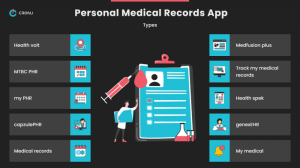
Health Records
Electronic health records play a crucial role in modern healthcare, allowing for the secure storage and easy access of patient information. Subsidies and tax credits can significantly impact the adoption and implementation of electronic health records, enhancing the overall efficiency and quality of healthcare services.
Importance of Subsidies and Tax Credits in Health Records
Subsidies and tax credits help healthcare providers and facilities invest in advanced electronic health record systems, making it easier to store, retrieve, and share patient information securely. This not only improves the quality of care but also enhances patient outcomes by ensuring accurate and timely access to medical records.
- Subsidies and tax credits enable healthcare organizations to afford electronic health record technology, reducing financial barriers to implementation.
- By promoting the adoption of electronic health records, subsidies and tax credits contribute to the digitization of healthcare data, leading to improved accuracy and efficiency in medical practices.
- Government initiatives that provide subsidies and tax credits incentivize healthcare providers to prioritize the security and accessibility of health records, safeguarding sensitive patient information from unauthorized access.
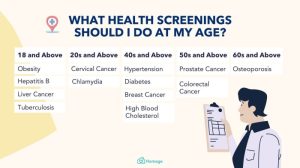
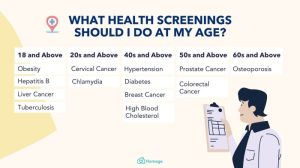
Health Screening
Regular health screenings play a crucial role in preventive healthcare by detecting potential health issues early on. Subsidies and tax credits can significantly impact access to these screenings, making them more affordable and encouraging individuals to prioritize their health.
Impact of Subsidies and Tax Credits
- Subsidies and tax credits can reduce the financial burden associated with health screenings, making them more accessible to individuals across different income levels.
- By incentivizing individuals with financial assistance, subsidies and tax credits can encourage more people to undergo regular health screenings, leading to early detection of health conditions.
- Increased access to preventive screenings can ultimately result in better health outcomes for individuals and lower healthcare costs in the long run.
As we conclude this exploration of Health Insurance Subsidies and Tax Credits, we see a transformative approach to healthcare affordability and accessibility, paving the way for a healthier future for all.
Common Queries
How do health insurance subsidies work?
Health insurance subsidies are financial assistance provided by the government to help individuals and families afford health coverage, typically based on income levels.
What is the difference between subsidies and tax credits in healthcare?
Subsidies directly reduce the cost of health insurance premiums, while tax credits provide individuals with a reduction in their tax liability, making healthcare more affordable.
How do subsidies and tax credits impact healthcare providers?
Subsidies influence healthcare providers’ reimbursement rates and incentivize them to accept patients with subsidized insurance, while tax credits help foster relationships between providers and patients.