Delving into Catastrophic Health Insurance Plans, this article offers a comprehensive look at this unique insurance option, shedding light on its benefits and limitations.
As we navigate through the intricacies of catastrophic health insurance plans, we uncover valuable insights into how they impact healthcare access, costs, providers, and more.
Catastrophic Health Insurance Plans
Catastrophic health insurance plans are designed to provide coverage for major medical expenses in the event of a serious illness or injury. These plans typically have lower monthly premiums but higher deductibles compared to traditional health insurance plans.
Examples of situations where catastrophic health insurance plans are beneficial:
- Young and healthy individuals who rarely need medical care but want protection against high medical costs in case of an unexpected emergency.
- Individuals who do not qualify for subsidies on the health insurance marketplace and are looking for a more affordable option with basic coverage.
- Those transitioning between jobs or experiencing a temporary gap in coverage who need a short-term solution for catastrophic events.
Eligibility criteria for enrolling in catastrophic health insurance plans:
- Must be under 30 years old or qualify for a hardship exemption to purchase a catastrophic plan through the health insurance marketplace.
- Not eligible for Medicaid or CHIP.
- Cannot afford other health insurance options based on income.
Healthcare Access
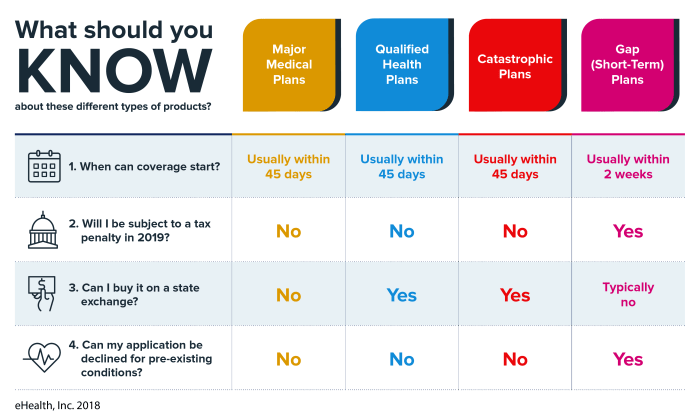
Access to healthcare services is a critical aspect of any health insurance plan, including catastrophic health insurance. These plans, designed to provide coverage for major medical expenses, can impact how individuals access essential healthcare services compared to traditional health insurance plans.
Impact of Catastrophic Health Insurance on Healthcare Access
- Catastrophic health insurance plans typically have lower monthly premiums but higher deductibles compared to traditional plans. This can result in individuals facing financial barriers when seeking routine or preventive care.
- Due to the high out-of-pocket costs associated with catastrophic plans, individuals may delay or forgo necessary medical treatment, leading to potential health complications.
- Network restrictions may limit access to preferred healthcare providers, specialists, or hospitals, affecting the quality and timeliness of care received.
Comparison with Traditional Health Insurance Plans
- Traditional health insurance plans often have higher monthly premiums but lower out-of-pocket costs, making it easier for individuals to access routine healthcare services without financial strain.
- These plans typically offer more comprehensive coverage for preventive care, prescription drugs, and other essential medical services, promoting regular healthcare utilization and early intervention.
- Networks in traditional plans may be more extensive, providing individuals with a broader choice of healthcare providers and facilities for their medical needs.
Real-life Scenarios of Limited Healthcare Access under Catastrophic Plans
- An individual with a catastrophic health insurance plan may avoid seeking treatment for a chronic condition due to the high deductible, leading to worsening health outcomes.
- Someone enrolled in a catastrophic plan may struggle to find an in-network specialist for a specific medical issue, resulting in delays in diagnosis and treatment.
- In emergency situations, individuals with catastrophic coverage may face significant out-of-pocket costs if the care received is not deemed a qualifying emergency service under the plan.
Healthcare Costs
When it comes to catastrophic health insurance plans, one of the key factors to consider is the potential cost-saving benefits they offer compared to traditional health insurance plans.
These plans typically have lower monthly premiums, making them more affordable for individuals who are generally healthy and don’t require frequent medical care. However, they also come with higher deductibles and out-of-pocket expenses in the event of a medical emergency.
Out-of-Pocket Expenses
- High Deductibles: Catastrophic health insurance plans often have high deductibles, meaning you’ll have to pay a significant amount out of pocket before your insurance coverage kicks in.
- Co-payments: Even after meeting your deductible, you may still be responsible for co-payments for doctor visits, prescription medications, or other healthcare services.
- Co-Insurance: Some catastrophic plans require you to pay a percentage of the costs for covered services, known as co-insurance. This can add up quickly, especially for more expensive treatments or procedures.
Managing Healthcare Costs
- Utilize Preventive Services: Take advantage of free preventive services included in your plan to catch potential health issues early and avoid costly medical bills down the road.
- Compare Costs: Before seeking medical care, compare prices for services and procedures among different providers to ensure you’re getting the best value for your healthcare dollars.
- Health Savings Account (HSA): Consider opening an HSA to save pre-tax dollars for medical expenses, which can help offset the higher out-of-pocket costs of a catastrophic health insurance plan.
- Negotiate Payment Plans: If you’re facing a large medical bill that you can’t afford to pay all at once, don’t hesitate to negotiate a payment plan with your healthcare provider to spread out the cost over time.
Healthcare Providers
The role of healthcare providers in the context of catastrophic health insurance plans is crucial. These providers offer medical services to individuals covered under catastrophic plans, helping them access necessary healthcare in times of emergencies or catastrophic events.
Network Restrictions and Provider Choice
Network restrictions often impact the choice of healthcare providers for individuals with catastrophic health insurance plans. These plans typically have limited provider networks, meaning that individuals may have to seek care from specific healthcare providers within the network to receive coverage or benefits. Out-of-network providers may result in higher out-of-pocket costs for individuals with catastrophic plans.
- It is important for individuals with catastrophic health insurance plans to carefully review the provider networks associated with their plans. This can help them understand which healthcare providers are covered under their plan and avoid unexpected costs.
- Some catastrophic plans may offer flexibility in seeking care from out-of-network providers in certain emergency situations. It is essential for individuals to be aware of these provisions and understand the associated costs.
- Choosing healthcare providers within the network of a catastrophic plan can help individuals maximize their coverage and minimize their out-of-pocket expenses.
Finding Providers Accepting Catastrophic Plans
Finding healthcare providers that accept catastrophic health insurance plans can be challenging, given the network restrictions associated with these plans. However, there are strategies that individuals can use to locate providers who accept catastrophic plans.
- Utilize the provider directories provided by the insurance company to identify healthcare providers within the network of the catastrophic plan.
- Contact healthcare providers directly to inquire about their acceptance of catastrophic health insurance plans and verify their participation in the plan’s network.
- Consider seeking care from community health centers or safety-net providers that may offer services to individuals with catastrophic plans, even if they are not part of the plan’s network.
Health Insurance
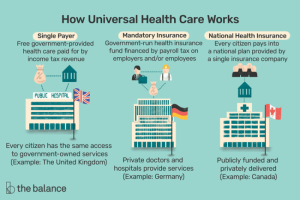
When it comes to health insurance, individuals have several options to choose from based on their needs and budget. One important distinction to understand is the difference between catastrophic health insurance plans and traditional comprehensive health insurance plans.
Differences between Catastrophic and Comprehensive Health Insurance Plans
- Catastrophic Health Insurance Plans:
- Designed for young and healthy individuals under 30 or those who qualify for hardship exemptions.
- Lower monthly premiums but higher deductibles.
- Provide coverage for essential health benefits after the deductible is met.
- Comprehensive Health Insurance Plans:
- Offer broader coverage for various medical services, including preventive care, prescription drugs, and specialist visits.
- Higher monthly premiums but lower deductibles compared to catastrophic plans.
- Suitable for individuals who require regular medical care or have pre-existing conditions.
Limitations of Coverage under Catastrophic Health Insurance Plans
- Catastrophic plans do not cover routine medical care like doctor visits, preventive services, or prescription drugs until the deductible is met.
- Individuals may face high out-of-pocket costs before reaching the deductible.
- Not ideal for individuals with chronic conditions or those who need frequent medical attention.
Tips for Individuals Considering Switching to Catastrophic Health Insurance Plans
- Assess your current health needs and medical history to determine if a catastrophic plan is suitable for you.
- Consider your budget and ability to pay for high deductibles and out-of-pocket costs.
- Explore other options like health savings accounts (HSAs) to help cover expenses not included in catastrophic plans.
Health Policies
Health policies play a crucial role in shaping the availability and structure of catastrophic health insurance plans. These policies set the guidelines and regulations that insurance providers must follow, impacting the options and coverage offered to individuals seeking catastrophic health insurance.
Influence on Catastrophic Insurance Coverage
Recent changes in health policies have had significant effects on catastrophic insurance coverage. For example, the expansion of Medicaid in certain states has provided more low-income individuals with access to comprehensive health coverage, potentially reducing the demand for catastrophic plans among this population.
Future Implications
Looking ahead, the future implications of current health policies on catastrophic health insurance plans are multifaceted. With ongoing debates surrounding healthcare reform and the Affordable Care Act, the landscape of insurance options continues to evolve. This could lead to changes in the availability, affordability, and structure of catastrophic health insurance plans in the coming years.
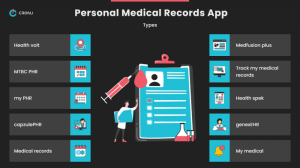
Health Records
Maintaining accurate health records is crucial when enrolled in a catastrophic health insurance plan as it helps healthcare providers make informed decisions about your treatment during emergencies. It ensures that your medical history, allergies, medications, and previous treatments are readily available for reference.
Organizing and Storing Health Records
- Keep a physical copy of important documents such as insurance cards, prescriptions, and test results in a designated folder or binder.
- Create a digital backup by scanning all documents and saving them on a secure cloud storage platform for easy access from anywhere.
- Update your records regularly with new test results, treatments, and any changes in medications to maintain accuracy.
Role of Electronic Health Records
Electronic health records (EHRs) play a vital role in streamlining healthcare services for catastrophic plan holders by allowing seamless sharing of information among healthcare providers. EHRs enable quick access to medical history, lab results, and treatment plans, leading to more efficient and coordinated care during emergencies.
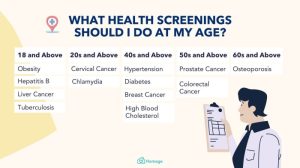
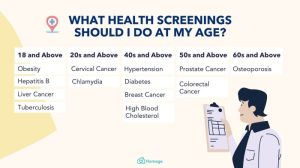
Health Screening
Regular health screenings play a crucial role in preventive healthcare, especially for individuals with catastrophic health insurance plans. These screenings help detect potential health issues early on, allowing for timely intervention and management.
Significance of Health Screenings
Health screenings covered under catastrophic insurance plans typically include preventive services such as blood pressure checks, cholesterol screenings, mammograms, and vaccinations. By identifying health concerns in their early stages, individuals can address them before they escalate into more serious conditions, ultimately reducing the need for costly treatments down the line.
- Regular screenings can help prevent the progression of diseases and improve overall health outcomes.
- Early detection through screenings can lead to more effective and less invasive treatment options.
- Health screenings can also promote healthy lifestyle choices and disease prevention strategies.
Recommendations for Health Screening Routine
It is essential for individuals with catastrophic health insurance plans to prioritize regular health screenings as part of their healthcare routine. Scheduling annual check-ups and screenings based on age, gender, and risk factors can significantly impact overall health and well-being.
- Consult with healthcare providers to determine which screenings are recommended based on individual health history and risk factors.
- Stay informed about covered preventive services under catastrophic insurance plans to take full advantage of available screenings.
- Keep track of screening schedules and follow-up appointments to ensure timely and consistent monitoring of health status.
In conclusion, Catastrophic Health Insurance Plans present a viable choice for those seeking affordable coverage with certain trade-offs. This discussion serves as a roadmap for individuals considering this insurance option, providing clarity on its nuances and implications.
Common Queries
What are the main benefits of Catastrophic Health Insurance Plans?
Catastrophic plans offer lower premiums but higher deductibles, ideal for young and healthy individuals looking for cost-effective coverage.
Are Catastrophic Health Insurance Plans available to everyone?
No, these plans are typically for individuals under 30 or those who qualify for a hardship exemption.
How do Catastrophic Health Insurance Plans impact preventive care?
While they cover some preventive services, routine check-ups and screenings may not be fully covered, leading to potential out-of-pocket expenses.