Embarking on a journey abroad can be thrilling, but it’s essential to prioritize your health along the way. With Health Insurance for International Travel as your shield, rest assured that you’re prepared for any medical emergencies that may arise during your adventures. Let’s delve into the world of health insurance for travelers and uncover how it can provide peace of mind while exploring new destinations.
Health Insurance for International Travel
When traveling internationally, having health insurance is crucial to ensure that you are protected in case of unexpected medical emergencies. Without proper coverage, medical expenses abroad can be exorbitant and may lead to financial strain.
Comparison of Coverage
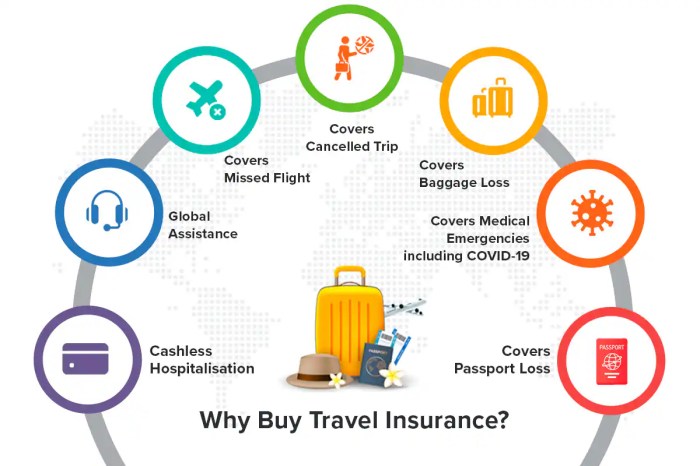
Typical health insurance plans often have limitations when it comes to coverage outside your home country. Specialized international travel health insurance, on the other hand, is designed to provide comprehensive coverage specifically for overseas trips. This type of insurance typically includes benefits such as emergency medical evacuation, repatriation of remains, and coverage for pre-existing conditions.
Key Factors to Consider
- Coverage Limits: Make sure the policy offers adequate coverage for medical expenses, emergency evacuation, and other essential services.
- Destination: Check if the insurance covers the specific countries you will be visiting, as some policies have restrictions based on location.
- Duration of Trip: Ensure that the policy duration aligns with the length of your trip, including any potential extensions.
- Pre-existing Conditions: Confirm whether the insurance covers pre-existing medical conditions, as this can vary between plans.
Obtaining Health Insurance
The process of obtaining health insurance for international travel typically involves researching different insurance providers, comparing policies, and selecting the one that best fits your needs. It is important to read the policy details carefully, understand the coverage, exclusions, and limitations, and ensure that you have the necessary documentation before embarking on your trip.
Healthcare Access
Accessing healthcare while traveling internationally can pose several challenges for travelers. Language barriers, unfamiliar healthcare systems, and lack of local knowledge can make it difficult to receive the necessary medical care in a timely manner.
Facilitating Access with Health Insurance
Health insurance can play a crucial role in facilitating access to healthcare services while traveling abroad. With the right insurance coverage, travelers can have access to a network of pre-approved healthcare providers, ensuring that they receive quality care without having to navigate the local healthcare system on their own.
Role of Telemedicine and Virtual Consultations
Telemedicine and virtual consultations have become increasingly popular in improving healthcare access for international travelers. Through these services, travelers can consult with healthcare providers remotely, receive medical advice, and even get prescriptions filled without the need to physically visit a healthcare facility.
Finding Healthcare Providers with Health Insurance
When traveling abroad, it’s important to check with your health insurance provider to see if they have any partnerships with international healthcare providers. This can help you locate trusted healthcare professionals in foreign countries and ensure that you receive the necessary medical care during your travels.
Healthcare Costs

When traveling internationally, one of the major concerns is the potential costs of medical treatment if you were to fall ill or get injured while abroad. Without health insurance, these expenses can quickly add up and become a financial burden.
How Health Insurance Helps
Health insurance can help mitigate unexpected healthcare expenses abroad by covering a portion or all of the costs associated with medical treatment, hospital stays, medications, and other necessary services. This can provide peace of mind and financial protection in case of an emergency.
Strategies for Managing Healthcare Costs
- Research and choose a comprehensive health insurance plan that includes coverage for international travel.
- Understand the terms and conditions of your insurance policy, including coverage limits, deductibles, and exclusions.
- Carry your insurance information with you at all times and know how to contact your provider in case of an emergency.
- Seek medical care from approved providers to ensure coverage by your insurance plan.
- Keep all receipts and documentation related to medical expenses for reimbursement purposes.
Impact of Currency Exchange Rates
Fluctuations in currency exchange rates can have a significant impact on healthcare costs for international travelers. A strong local currency can make medical treatment more expensive, while a weaker currency may lower costs for travelers. It is important to consider these factors when budgeting for healthcare expenses abroad.
Healthcare Providers
When traveling internationally, it is essential to be aware of the different types of healthcare providers you may encounter in various countries. The quality of healthcare services can vary significantly, so researching healthcare providers and facilities covered by international travel health insurance is crucial for a smooth and safe trip.
Types of Healthcare Providers
In popular travel destinations, international travelers may come across a range of healthcare providers, including:
- Hospitals and Clinics: These facilities vary in size and quality, with some offering specialized care while others providing general medical services.
- Pharmacies: Easily accessible for minor ailments and prescription medications in many countries.
- General Practitioners: Primary care physicians who can address common health issues and provide referrals to specialists if needed.
- Specialized Doctors: Experts in specific medical fields like dermatology, cardiology, or orthopedics.
- Emergency Services: Ambulance services, urgent care centers, and emergency rooms for immediate medical attention.
Quality of Healthcare Services
The quality of healthcare services offered by different providers in popular travel destinations can vary based on factors such as:
- Accreditation and Certification: Look for facilities accredited by recognized organizations to ensure high standards of care.
- Reviews and Recommendations: Check online reviews and seek recommendations from other travelers or expats for reliable healthcare providers.
- Language and Cultural Considerations: Choose providers who can effectively communicate in your language and understand your cultural background for better care.
Researching Healthcare Providers
Before your trip, research healthcare providers and facilities covered by your international travel health insurance to:
- Ensure coverage for medical services you may need during your trip.
- Find reputable providers with a track record of delivering quality care to international patients.
- Have contact information readily available in case of emergencies or unexpected health issues while abroad.
Interacting with Healthcare Providers
When interacting with healthcare providers abroad, remember to:
- Clearly communicate your symptoms, medical history, and any medications you are taking.
- Ask questions about your diagnosis, treatment options, and potential costs involved.
- Follow up with any recommended follow-up care or prescriptions to ensure continuity of treatment.
Health Policies
Health policies can vary significantly across countries, impacting international travelers in various ways. It is essential for travelers to understand these policies before embarking on a trip to ensure their health and well-being while abroad.
Common Health Policies for Travelers
- Requirement for specific vaccinations: Some countries may require travelers to have certain vaccinations before entry to prevent the spread of diseases.
- Mandatory health insurance: Certain destinations mandate that travelers have health insurance coverage to cover any medical expenses during their stay.
- Quarantine regulations: In response to outbreaks or pandemics, countries may have quarantine policies in place that travelers must adhere to.
Health Insurance and Compliance
Health insurance can be invaluable for travelers navigating different health policies abroad. It can help cover medical costs, provide assistance in finding healthcare providers, and ensure compliance with local regulations.
Tips for Understanding Local Health Policies
- Research before your trip: Familiarize yourself with the health policies of your destination to know what to expect.
- Carry necessary documentation: Ensure you have copies of your health insurance policy, vaccination records, and any other relevant documents.
- Stay informed: Keep up to date with any health advisories or alerts issued for your destination.
- Respect local customs: Be aware of cultural practices related to health and wellness in the country you are visiting.
Health Records
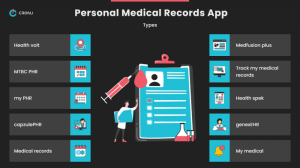
Carrying essential health records when traveling internationally is crucial to ensure access to necessary medical information in case of emergencies. It can help healthcare providers make informed decisions about your care, especially when facing language barriers or unfamiliar healthcare systems.
Organizing and Storing Health Records Securely
- Make copies of important health records such as medical history, prescriptions, allergies, and immunization records.
- Store digital copies on secure cloud storage or encrypted USB drives for easy access.
- Keep physical copies in a waterproof and secure folder while traveling.
Assistance from Health Insurance Plans
- Some health insurance plans offer services to help access and transfer health records across borders in case of emergencies.
- Check with your insurance provider about the specific assistance they offer for managing health records during international travel.
Best Practices for Maintaining Up-to-Date Health Records
- Regularly update your health records with any new medical information or changes in medications.
- Keep a list of emergency contacts, including your primary care physician and next of kin, with your health records.
- Consider using medical ID bracelets or cards with essential health information for quick reference.
Health Screening
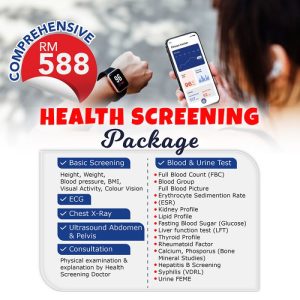
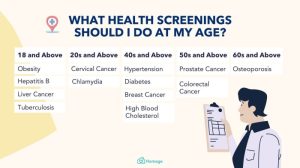
Before embarking on international travel, undergoing health screenings is crucial to ensure a safe and healthy journey. These screenings help identify any underlying health conditions, assess fitness for travel, and prevent the spread of diseases.
Common Health Screenings
Depending on the destination or type of trip, different health screenings may be recommended to travelers. Some common screenings include:
- Immunizations: Vaccinations against diseases like yellow fever, typhoid, hepatitis A and B, and others may be required or recommended based on the travel destination.
- Medical examinations: Some countries may require a general medical exam or specific tests like TB screening before entry.
- Travel health consultations: These sessions provide personalized advice on health risks, preventive measures, and necessary vaccinations for the specific travel itinerary.
Health Insurance Coverage
Health insurance plans may cover or assist with pre-travel health screenings, depending on the policy. Some insurance providers offer coverage for vaccinations, medical exams, and travel health consultations as part of their travel insurance packages. It’s essential to review your policy to understand the extent of coverage for pre-travel screenings.
Personal Recommendations
It’s advisable to schedule health screenings well in advance of your travel date to allow time for any necessary vaccinations or treatments. Additionally, consulting a travel health specialist can provide valuable insights tailored to your specific travel plans and health needs. Personal experiences and recommendations from fellow travelers can also offer valuable advice on navigating health screenings for international travel.
As we conclude our discussion on Health Insurance for International Travel, remember that safeguarding your well-being is paramount when venturing into unknown territories. By securing the right health insurance coverage, you not only protect yourself from unforeseen medical expenses but also ensure a smooth and worry-free travel experience. Bon voyage!
Question Bank
Is health insurance necessary for international travel?
Yes, having health insurance for international travel is crucial as it provides coverage for medical emergencies that may occur abroad.
What should I consider when choosing health insurance for international trips?
Key factors to consider include coverage for medical evacuation, emergency medical treatment, and coverage limits in different countries.
How can health insurance help with managing healthcare costs while traveling internationally?
Health insurance can help mitigate unexpected healthcare expenses abroad and provide strategies for effective cost management.
What are the common challenges travelers face in accessing healthcare abroad?
Challenges include language barriers, unfamiliar healthcare systems, and navigating foreign medical facilities.
Does health insurance typically cover pre-travel health screenings?
Some health insurance plans may include coverage for pre-travel health screenings, but it’s essential to check the policy details.